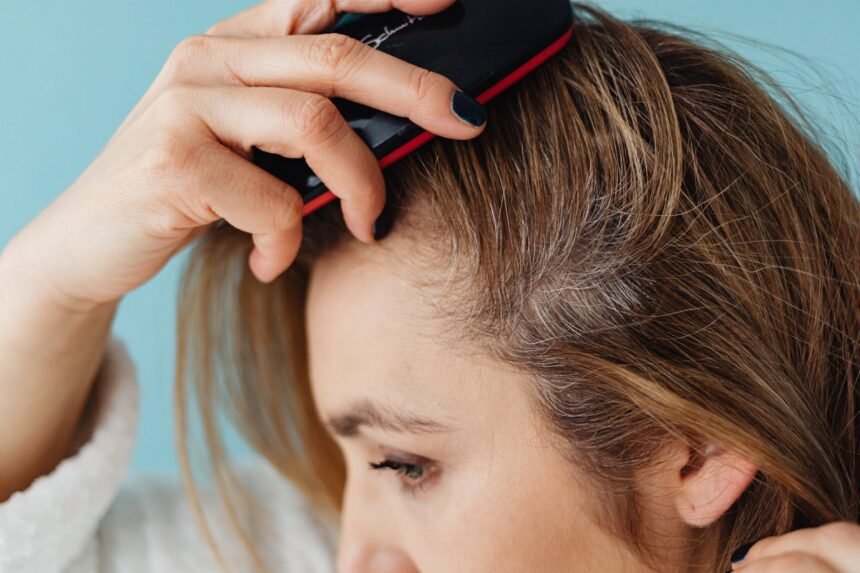
As the golden hues of autumn give way to the stark, frosty landscapes of winter, we often prepare by swapping our wardrobes. We trade light jackets for heavy wool coats and canvas sneakers for insulated boots. However, one crucial aspect of our personal care often gets left out in the cold: our hair. The transition to winter is notoriously harsh on our skin, and the scalp—which is essentially an extension of facial skin—is particularly vulnerable. If you have noticed flaking, itching, or brittle ends as the temperature drops, you are not alone.
Developing a specialized winter hair care routine for dry scalp is not just about vanity; it is a matter of dermatological health. The combination of dry outdoor air and moisture-zapping indoor heating creates a perfect storm for dehydration. In this comprehensive guide, we will explore the science behind winter dryness, actionable steps to restore hydration, and the lifestyle changes necessary to keep your seasonal strands resilient and shiny.
The Science of Winter Dryness: Why Your Scalp Suffers
To effectively treat a problem, one must first understand the mechanism behind it. Winter air typically holds less humidity than summer air. When the humidity drops, the water content in the epidermis (the outer layer of the skin) tends to evaporate more rapidly. According to the American Academy of Dermatology, cold air tightens the pores and reduces blood circulation to the scalp, which can inhibit the natural production of sebum (oil).
Furthermore, the problem is exacerbated by our indoor environments. Central heating systems reduce indoor humidity levels significantly. This constant oscillation between freezing outdoor temperatures and dry, hot indoor environments causes the hair cuticle to lift, allowing moisture to escape and leaving the cortex vulnerable to damage.
Step 1: Rethinking Your Wash Routine
Lower the Temperature
There is nothing quite as comforting as a steaming hot shower after braving a snowstorm. However, hot water is one of the worst enemies of a dry scalp. High temperatures strip away natural oils (sebum) that are essential for keeping the scalp conditioned. Experts at Healthline suggest washing hair with lukewarm water to seal the hair cuticle and lock in moisture, rather than stripping it away.
Adjusting Frequency
Over-washing is a common culprit behind winter dryness. During the colder months, consider reducing your wash days. If you typically wash every day, try every other day. If you are already on an intermittent schedule, try stretching it one day further. This allows your natural oils to travel down the hair shaft, providing a protective barrier against the elements.
Step 2: The Art of Deep Hydration
A standard conditioner may suffice in July, but January requires heavy artillery. Your winter hair care routine for dry scalp should revolve around deep conditioning treatments.
Humectants vs. Occlusives
Understanding ingredients is vital. You need a balance of humectants (which draw moisture into the hair) and occlusives (which seal moisture in).
- Humectants: Look for glycerin, hyaluronic acid, and honey.
- Occlusives: Look for heavy oils like shea butter and beeswax.
For a deeper dive into the chemistry of these ingredients, Wikipedia offers a detailed breakdown on humectants and their role in cosmetics. Using a hair mask containing both elements once a week can dramatically improve elasticity.

Step 3: Targeted Scalp Treatments
Treating the hair strands is important, but the root of the issue lies in the scalp. Dry scalp is often mistaken for dandruff, but they are different conditions. Dandruff is typically caused by an overgrowth of a yeast-like fungus, while a dry scalp is simply dehydrated skin. The Cleveland Clinic notes that knowing the difference is key to effective treatment.
The Power of Oils
Pre-shampoo oil treatments (pre-pooing) can shield the scalp from the harsh surfactants found in shampoos. Massage a warm oil into your scalp 30 minutes before washing. This stimulates blood flow and loosens dry flakes.
Below is a comparison of natural oils best suited for different hair needs during winter:
| Oil Type | Viscosity | Best For | Key Benefit |
|---|---|---|---|
| Jojoba Oil | Light | Oily/Combination Scalps | Mimics natural human sebum; non-comedogenic. |
| Argan Oil | Medium | Frizzy/Dull Hair | High Vitamin E content; adds immediate shine. |
| Coconut Oil | Heavy | High Porosity Hair | Penetrates the hair shaft deeply to prevent protein loss. |
| Tea Tree Oil | Light | Itchy/Irritated Scalps | Contains antifungal and antibacterial properties. |
| Castor Oil | Very Heavy | Thinning Hair | Rich in ricinoleic acid; promotes thickness and seals ends. |
Note: If using essential oils like Tea Tree, always dilute them in a carrier oil to prevent irritation. Studies from the National Center for Biotechnology Information (NCBI) highlight the efficacy of Tea Tree oil in treating dermatological conditions, but potency must be managed carefully.
Step 4: Nutritional Support for Hair Health
Topical treatments can only go so far; true radiance starts from within. Your winter diet plays a pivotal role in the health of your scalp.
Omega-3 Fatty Acids
Since your body cannot produce Omega-3s on its own, you must obtain them through diet. These fatty acids are found in cells that line the scalp and provide the oils that keep your scalp and hair hydrated. The Mayo Clinic recommends a diet rich in fish like salmon and mackerel, or flaxseeds and walnuts for plant-based options.
Hydration
It is easy to forget to drink water when it isn’t hot outside. However, systemic dehydration leads to dry skin and a flaky scalp. Aim for the standard 8 glasses a day, but listen to your body. As noted by Harvard Health, hydration needs vary by individual, but consistent intake is crucial for maintaining skin turgor.
Step 5: Environmental and Physical Protection
Humidify Your Habitat
Since indoor heating is a primary cause of dryness, reintroducing moisture to your environment is a game-changer. Running a humidifier in your bedroom can help maintain the optimal humidity level (between 30-50%), as suggested by the Environmental Protection Agency (EPA). This prevents your scalp from drying out overnight.
Fabric Choices Matter
Winter hats are essential for warmth, but wool and acrylic can cause friction and breakage, leading to “hat hair” and static. These fabrics also absorb moisture from your hair. To combat this, look for hats lined with silk or satin. As reported by fashion authorities like Vogue, silk causes less friction and helps retain moisture compared to cotton or wool.
Minimizing Heat Styling
Your hair is already under stress from the cold; adding high heat from curling irons or straighteners can push it to the breaking point. If you must use heat, always apply a high-quality heat protectant. Alternatively, embrace heatless styling methods to give your strands a break.
Conclusion: consistency is Key
Navigating the colder months doesn’t mean you have to sacrifice the health of your hair. By adopting a comprehensive winter hair care routine for dry scalp, you can emerge from hibernation with luscious, healthy locks ready for spring.
Remember, these changes won’t yield results overnight. It takes time for the scalp to repair its moisture barrier and for hair strands to regain their elasticity. Start by lowering your water temperature and introducing a weekly oil treatment. Pay attention to what you eat, and protect your hair from the physical elements.
Your hair is your crown—wear it proudly, even in the snow. Have you tried any specific oils that worked wonders for your winter scalp? Or perhaps you have a DIY mask recipe? We’d love to hear your experiences. Share your winter hair survival tips in the comments below, or consult with a board-certified dermatologist if your scalp issues persist despite home care.