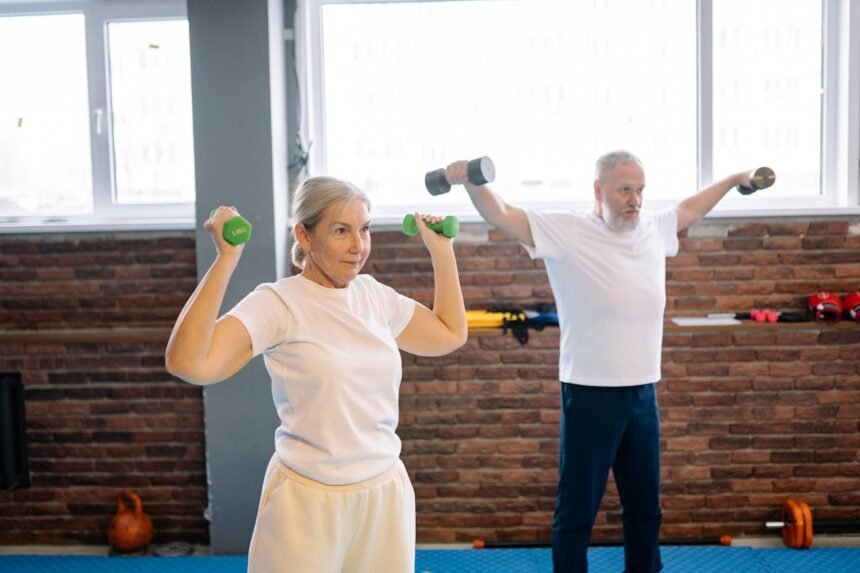
Ageing is inevitable, but how we age is largely within our control. For many, the golden years represent a time to slow down, but modern science suggests the opposite. Embracing senior fitness is one of the most effective ways to ensure your post-retirement years are vibrant, independent, and free from chronic pain. Whether you are looking to regain your vitality or maintain your current strength, staying active is the cornerstone of longevity.
In this guide, we explore the essential components of active ageing, from the best exercises for joint health to the mental health benefits of regular movement. It is never too late to start, and the rewards are immediate.
The Foundations of Senior Fitness
Physical activity for older adults isn’t about running marathons or lifting heavy weights at the gym—unless you want to. Instead, it focuses on functional fitness: the ability to perform everyday tasks with ease, such as carrying groceries, climbing stairs, or playing with grandchildren. According to the NHS, adults over 65 should aim for at least 150 minutes of moderate-intensity activity a week.
Key Pillars of an Effective Programme
A well-rounded senior fitness routine should include four specific types of activity:
- Aerobic Endurance: Improving heart and lung health through low-impact cardio.
- Strength Training: Using resistance to build muscle and support bone density.
- Balance Training: Crucial for fall prevention and stability.
- Flexibility: Keeping muscles supple to improve joint health and range of motion.
Why Movement Matters: The Health Benefits
The benefits of exercise go far beyond physical appearance. Engaging in post-retirement wellness activities can significantly lower the risk of chronic conditions. Research published by the Mayo Clinic highlights that exercise can help manage symptoms of heart disease, diabetes, and arthritis.
Furthermore, mobility training helps maintain the integrity of our skeletal system. As we age, we naturally lose bone mass, but weight-bearing exercises encourage the body to strengthen bones, reducing the risk of osteoporosis, a condition often discussed by the Royal Osteoporosis Society.
The Mental and Cognitive Edge
Exercise is a powerful tool for cognitive health. Physical activity increases blood flow to the brain and has been linked to a reduced risk of dementia and Alzheimer’s disease. The Alzheimer’s Society notes that regular movement can improve memory and executive function.
Comparing Exercise Modalities for Seniors
Choosing the right activity depends on your personal goals and physical limitations. Below is a comparison of popular senior fitness activities:
| Activity Type | Primary Benefit | Impact Level | Example Exercises |
|---|---|---|---|
| Low-impact cardio | Heart health & stamina | Low | Brisk walking, swimming, cycling |
| Strength training for seniors | Muscle mass & metabolism | Moderate | Resistance bands, light dumbbells |
| Balance exercises | Fall prevention | Low | Tai Chi, standing on one leg |
| Flexibility & Mobility | Range of motion | Low | Chair yoga, Pilates, stretching |
Getting Started Safely
Before beginning any new senior fitness regime, it is vital to consult with a healthcare professional, especially if you have pre-existing conditions. The CDC recommends starting slowly and gradually increasing intensity to avoid injury.
Focus on Flexibility and Balance
One of the biggest concerns for ageing adults is the risk of falling. Fall prevention is a major focus of mobility training. Integrating balance exercises into your daily routine—such as walking heel-to-toe or using a balance board—can significantly increase your confidence while moving. Harvard Health suggests that balance training is just as important as aerobic exercise for long-term independence.
For those with limited mobility, chair yoga offers a fantastic way to improve flexibility and reduce stress without the strain of standing for long periods. Many silver surfers fitness communities offer online classes specifically designed for this purpose, making it easier than ever to exercise from the comfort of home.
The Power of Strength Training
Many seniors avoid weights for fear of injury, but strength training for seniors is actually a protective measure. Building muscle supports your joints and helps maintain a healthy metabolic rate. According to the National Institute on Aging, even small increases in muscle strength can make a massive difference in performing daily activities like getting out of a chair or opening jars.
Nutrition and Hydration: Fueling Your Progress
Exercise is only one part of the equation. To truly excel in senior fitness, you must fuel your body correctly. Protein intake is essential for repairing muscle tissue, while calcium and Vitamin D are vital for maintaining bone density. The British Nutrition Foundation emphasises the importance of staying hydrated, as the sensation of thirst often diminishes with age.
Don’t forget the social aspect of health. Social exercise, such as joining a local walking group or a water aerobics class, can combat loneliness and improve mental well-being. Peer support is a huge motivator; as SilverSneakers points out, exercising with others makes you more likely to stick to your goals.
Conclusion: Your Journey to Active Ageing
Investing in senior fitness is the best gift you can give your future self. By prioritising functional fitness, joint health, and mobility training, you are not just adding years to your life, but life to your years. Remember to listen to your body, celebrate small wins, and keep moving.
For more information on staying active, check out resources from Age UK or the World Health Organization. If you have concerns about heart health during exercise, the British Heart Foundation offers excellent guidance. For those dealing with joint issues, Versus Arthritis provides tailored advice for keeping active.
Frequently Asked Questions (FAQs)
Is it safe to start a fitness routine after 70?
Absolutely. While you should always consult your doctor first, low-impact activities like walking, chair yoga, and swimming are generally safe and highly beneficial for individuals of all ages. The key is to start at a level that feels comfortable and progress slowly.
How often should seniors do strength training?
Most health authorities, including the Cleveland Clinic, recommend strength training for seniors at least two days a week. Focus on all major muscle groups, including legs, hips, back, abdomen, chest, shoulders, and arms.
What are the best exercises for joint health?
Low-impact activities that don’t put excessive stress on the joints are best. This includes swimming, cycling, and mobility training exercises like Tai Chi or Yoga, which help maintain flexibility and reduce stiffness associated with conditions like osteoarthritis.