There is an undeniable allure to the sleek finish of a flat iron or the voluminous bounce created by a curling wand. For many, heat styling is an integral part of their daily confidence and self-expression. However, this reliance on thermal tools often comes at a steep price: dry, brittle, and lifeless hair. The difference between a salon-quality look and long-term damage lies in how you prepare and protect your hair before the heat touches it.
Understanding the science behind thermal damage is the first step toward preventing it. When hair is subjected to high temperatures, the keratin proteins that provide structure begin to denature, and the essential moisture within the hair shaft can turn into steam, causing the cuticle to crack—a phenomenon known as “bubble hair.” To maintain the integrity of your mane while enjoying your favorite looks, mastering essential heat protection tips for hair styling is non-negotiable. This comprehensive guide will walk you through the science, the products, and the techniques requisite for keeping your strands shielded and shining.
The Science of Heat: What Happens to Your Hair?
To understand why protection is necessary, one must look at the biology of hair. Hair is primarily composed of a protein called keratin, bound together by hydrogen bonds, salt bonds, and disulfide bonds. Heat styling works by temporarily breaking the hydrogen bonds, allowing the hair to be reshaped. However, excessive heat can permanently damage the disulfide bonds, which are responsible for the hair’s elasticity and strength.
According to the American Academy of Dermatology, utilizing hot tools incorrectly can lead to significant breakage and hair loss. When temperatures exceed 400°F (200°C), the hair structure begins to lose its resilience. The outer layer, or cuticle, lifts and chips away, exposing the vulnerable cortex. This is why incorporating a barrier between the heat source and your hair is vital.
The Pre-Style Prep: Foundation is Key
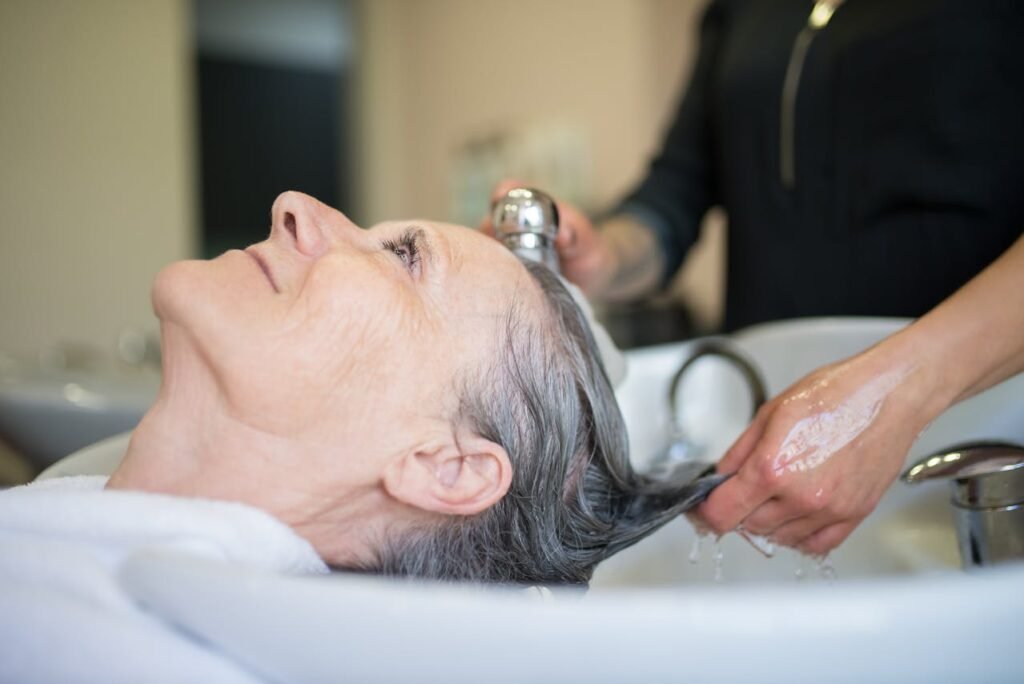
Heat protection doesn’t start with the spray you use five seconds before ironing; it starts in the shower. Deeply hydrated hair is more elastic and less prone to snapping under thermal stress.
- Hydrating Shampoos and Conditioners: Look for products containing humectants like glycerin or hyaluronic acid that draw moisture into the hair shaft.
- Weekly Deep Conditioning: A protein-moisture balance is essential. While moisture keeps hair soft, protein treatments help reinforce the keratin structure.
- Microfiber Towels: Rough drying with a cotton towel causes friction and cuticle damage. Switch to microfiber to gently squeeze out excess water, reducing the time required for blow-drying.
Choosing the Right Heat Protectant
Not all heat protectants are created equal. These products work by forming a thin film on the hair surface, which slows down heat conduction and distributes it more evenly. This barrier mimics the function of natural silicones.
Key Ingredients to Look For
When scanning ingredient labels, look for components that have high heat stability:
- Silicones (Dimethicone, Cyclomethicone): Often criticized, silicones are actually the gold standard for heat protection. They seal the cuticle and provide significant slip, reducing friction. The National Center for Biotechnology Information (NCBI) notes that silicone-based agents significantly reduce thermal damage.
- Hydrolyzed Wheat Protein: Helps to strengthen the hair shaft while styling.
- Natural Oils with High Smoke Points: Argan oil, Grapeseed oil, and Shea butter are excellent, but they must be refined to withstand heat.
Pro-Tip: Apply water-based sprays to damp hair before blow-drying, and use oil-based serums or creams on dry hair before using irons to avoid the “sizzle” effect.
Temperature Matters: Customizing Heat for Your Hair Type
One of the most critical yet overlooked essential heat protection tips for hair styling is regulating the temperature of your tools. Most irons heat up to 450°F, but very few hair types actually require that level of heat.
Using the wrong temperature is the fastest way to irreversible damage. Below is a guide to help you select the safe range for your specific hair texture.
Recommended Temperature Settings by Hair Type
| Hair Texture | Hair Condition | Recommended Temp (°F) | Recommended Temp (°C) | Tool Material Recommendation |
|---|---|---|---|---|
| Fine / Thin | Fragile or Color-Treated | 250°F – 300°F | 120°C – 150°C | Ceramic (Gentle, even heat distribution) |
| Normal / Medium | Healthy / Undamaged | 300°F – 350°F | 150°C – 175°C | Tourmaline (Emits negative ions to reduce frizz) |
| Thick / Coarse | Healthy / Resistant | 350°F – 400°F | 175°C – 200°C | Titanium (Heats fast, maintains high temp) |
| Synthetic Extensions | N/A | < 200°F | < 93°C | Ceramic (Must be labeled heat-friendly) |
Data adapted from general cosmetology standards and dermatology recommendations.
The “One-Pass” Rule and Technique
Mechanical damage combined with thermal damage is a recipe for disaster. The way you manipulate the tool is just as important as the tool itself.
Sectioning is Non-Negotiable
Trying to straighten a thick chunk of hair results in the outside burning while the inside remains frizzy. Section your hair into pieces no wider than the plate of your iron. This ensures the heat penetrates evenly without requiring multiple passes.
The One-Pass Philosophy
Ideally, you should only run the iron over a section of hair once. If you need to go over it multiple times, your temperature is likely too low, or your sections are too thick. According to experts at the Cleveland Clinic, minimizing repetitive stress on the hair shaft is crucial for preventing breakage.
The Cool Down
Just as glassblowing requires cooling to set the shape, hair bonds need to cool to lock in the style. Use the “cool shot” button on your blow dryer or pin your curls until they reach room temperature. This sets the hydrogen bonds, making your style last longer without needing touch-ups (and more heat) the next day.
Common Myths About Heat Styling
In the age of social media, misinformation spreads quickly. Let’s debunk a few common myths regarding heat protection.
Myth: “Air drying is always better than blow drying.”
- Fact: While air drying avoids high heat, leaving hair wet for prolonged periods causes the cortex to swell, putting pressure on the delicate proteins that keep hair intact. A study referenced by Medical News Today suggests that correct blow-drying at a distance may actually be safer for the cell membrane complex than prolonged air drying.
Myth: “Oil protects hair from all heat.”
- Fact: Applying oil (like coconut oil) and then using a 400°F iron essentially deep-fries your hair. Oils should be used as finishers or protectants only if they are formulated specifically for heat styling. Check the Cosmetics Info database to understand the thermal stability of your ingredients.
Post-Styling Care: Recovery Mode
Even with the best essential heat protection tips for hair styling, thermal tools take a toll. Your aftercare routine acts as damage control.
- Leave-in Conditioners: Replenish lost moisture immediately after styling.
- Regular Trims: Heat damage almost always manifests as split ends first. Once a hair is split, the damage can travel up the shaft. The Mayo Clinic recommends regular maintenance to keep hair looking healthy.
- Silk Pillowcases: Reduce friction while you sleep to preserve your style and reduce the need for morning touch-ups.
Environmental Heat: The Silent Styler
It isn’t just your flat iron that brings the heat. UV rays from the sun can oxidize hair color and break down protein structures, similar to bleach. When spending time outdoors, wear a hat or use a UV-protection hair mist. The Skin Cancer Foundation emphasizes that protecting the scalp and hair from solar radiation is a critical component of overall health.
Conclusion: Styling Without Sacrifice
Achieving flawless hair doesn’t have to mean sacrificing its health. By understanding the biology of your hair, investing in high-quality protectants, and adhering to strict temperature guidelines, you can enjoy the versatility of heat styling without the guilt.
Remember, the goal is not to stop using heat altogether but to use it smarter. Incorporate these essential heat protection tips for hair styling into your routine today. Your hair is the crown you never take off—treat it with the respect and care it deserves. Start by checking the temperature dial on your iron right now; a simple turn of the dial could be the difference between breakage and brilliance.