In our hyper-connected, fast-paced world, stress has evolved from a survival mechanism into a chronic condition for many. The constant barrage of notifications, deadlines, and responsibilities can leave the nervous system stuck in “fight or flight” mode. While we cannot eliminate all external pressures, we can change how we respond to them. This is where mindfulness exercises for daily stress reduction become essential tools for modern living.
Mindfulness is not just a buzzword; it is a scientifically validated practice that involves maintaining a moment-by-moment awareness of our thoughts, feelings, bodily sensations, and surrounding environment with openness and curiosity. By anchoring ourselves in the present, we can disrupt the cycle of anxiety and reclaim our mental clarity.
The Science of Stress and Serenity
Before diving into the techniques, it is crucial to understand why mindfulness is effective. Chronic stress triggers the release of cortisol and adrenaline, hormones that, over time, can damage blood vessels, increase blood pressure, and suppress the immune system. According to the American Psychological Association, untreated chronic stress is linked to the six leading causes of death, including heart disease and accidents.
Mindfulness practices counteract this by eliciting the “relaxation response,” a term coined by Dr. Herbert Benson regarding the physiological state of deep rest that alters the physical and emotional responses to stress. Research by the National Center for Complementary and Integrative Health (NCCIH) indicates that mindfulness meditation can physically change the brain, reducing the density of the amygdala (the fear center) and increasing matter in the prefrontal cortex (responsible for decision making).
Core Breathing Techniques: The Anchor of Mindfulness
The breath is the most accessible tool for mindfulness because it is always with you. Conscious control of breathing signals the parasympathetic nervous system to calm down.
1. The 4-7-8 Breathing Technique
Popularized by Dr. Andrew Weil, this technique is a natural tranquilizer for the nervous system. It forces the mind to focus on counting rather than worrying.
- Exhale: Completely through your mouth, making a whoosh sound.
- Inhale: Quietly through your nose to a count of 4.
- Hold: Hold your breath for a count of 7.
- Exhale: Forcefully through your mouth to a count of 8.
Repeat this cycle four times. This rhythmic control helps regulate the autonomic nervous system, bringing immediate physiological relief.
2. Box Breathing (Square Breathing)
Often used by Navy SEALs to maintain focus in high-stakes situations, Box Breathing is excellent for regaining concentration.
- Inhale for 4 seconds.
- Hold for 4 seconds.
- Exhale for 4 seconds.
- Hold (lungs empty) for 4 seconds.
Detailed guides on this method can often be found through resources like the Cleveland Clinic, which highlights its efficacy in lowering cortisol levels.
Body-Centric Mindfulness Exercises
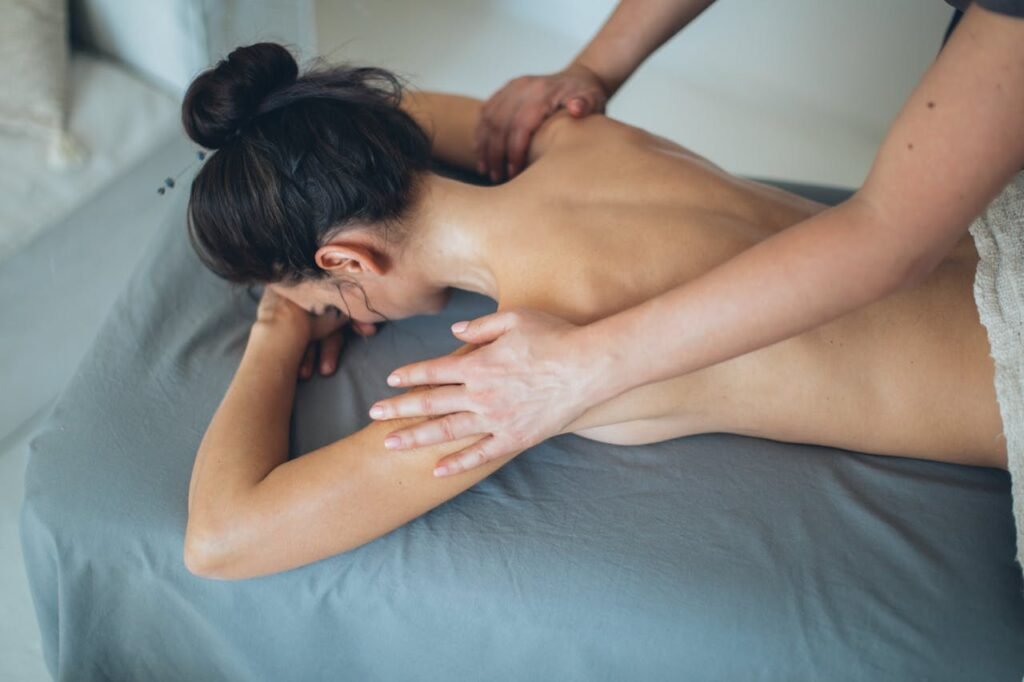
Stress often manifests physically as tension in the jaw, shoulders, and back. Body-centric exercises reconnect the mind with the physical vessel, promoting somatic awareness.
Progressive Muscle Relaxation (PMR)
PMR involves tensing and then relaxing specific muscle groups. This creates a stark contrast between tension and relaxation, training your body to recognize and release stress.
- Start at your feet. Curl your toes tightly for 5 seconds.
- Release suddenly and feel the tension drain away for 10 seconds.
- Move to your calves, thighs, buttocks, abdomen, hands, shoulders, and finally, the face.
The Mayo Clinic recommends PMR as a standard intervention for anxiety and sleep disturbances.
The Body Scan Meditation
A body scan is a passive form of mindfulness where you mentally scan your body from head to toe (or vice versa), noticing sensations without judgment.
- Lie down comfortably.
- Bring attention to your left foot. Is it cold? Warm? Tingling?
- Slowly move your attention up through the ankle, shin, and knee.
- If you encounter tension, visualize breathing into that area to soften it.
Resources from UCLA Health offer free guided audio recordings to help beginners master this practice.
Mindfulness in Motion
You do not need a cushion and a quiet room to practice mindfulness. Integrating these exercises into daily activities makes them sustainable.
Mindful Walking
Turn a mundane walk into a meditative experience. Instead of listening to a podcast or worrying about work, focus on the sensation of movement.
- Notice the lifting and falling of your foot.
- Feel the shift of your weight.
- Observe the wind against your skin.
This practice aligns with the teachings of Jon Kabat-Zinn, the founder of Mindfulness-Based Stress Reduction (MBSR), who emphasizes that mindfulness is about “paying attention in a particular way: on purpose, in the present moment, and non-judgmentally.”
Mindful Eating
Digestion and satiety are linked to our mental state. Rushed eating often leads to overeating and indigestion.
- Remove distractions (TV, phone).
- Look at your food. Notice the colors and textures.
- Chew slowly and thoroughly, savoring the flavors.
The Harvard T.H. Chan School of Public Health suggests that mindful eating can transform our relationship with food and improve metabolic health.
Comparing Mindfulness Techniques
Choosing the right exercise depends on your immediate needs and environment. Below is a comparison to help you select the best method for the moment.
| Technique | Duration | Primary Benefit | Best Environment | Difficulty |
|---|---|---|---|---|
| 4-7-8 Breathing | 2-3 Minutes | Rapid anxiety reduction and sleep aid | Anywhere (quiet is best) | Low |
| Box Breathing | 1-5 Minutes | Focus and heightened alertness | Office / Commute | Low |
| PMR | 10-20 Minutes | Physical tension release and deep relaxation | Lying down at home | Medium |
| Body Scan | 10-30 Minutes | Somatic awareness and emotional grounding | Quiet room | Medium |
| Mindful Walking | 15+ Minutes | Mood elevation and clearing the mind | Outdoors | Low |
| Mindful Eating | 20+ Minutes | Better digestion and relationship with food | Dining table | Medium |
Cultivating a Daily Habit
The benefits of mindfulness exercises for daily stress reduction are cumulative. Practicing for five minutes every day is more effective than practicing for an hour once a week. According to the CDC (Centers for Disease Control and Prevention), regular engagement in well-being practices is critical for long-term emotional resilience.
Tips for Consistency:
- Habit Stacking: Attach your mindfulness practice to an existing habit (e.g., do three minutes of deep breathing immediately after brushing your teeth).
- Start Small: Do not aim for 30 minutes immediately. Start with 2 minutes to lower the barrier to entry.
- Use Technology: Apps like Headspace or Calm, or resources from non-profits like the Mindfulness in Law Society (for high-stress professions), can provide structure.
Conclusion
Stress is an inevitable part of the human experience, but suffering is optional. By integrating mindfulness exercises for daily stress reduction into your routine, you move from a state of reactive panic to proactive peace. Whether it is the rhythmic count of 4-7-8 breathing, the grounding sensation of a body scan, or the simple act of tasting your morning coffee, these moments of awareness accumulate to build a resilient mind.
Do not wait for the “perfect” time to start. Take a deep breath right now, hold it, and let it go. You have just begun.
For more information on the impact of stress on sleep and how mindfulness helps, visit the Sleep Foundation.