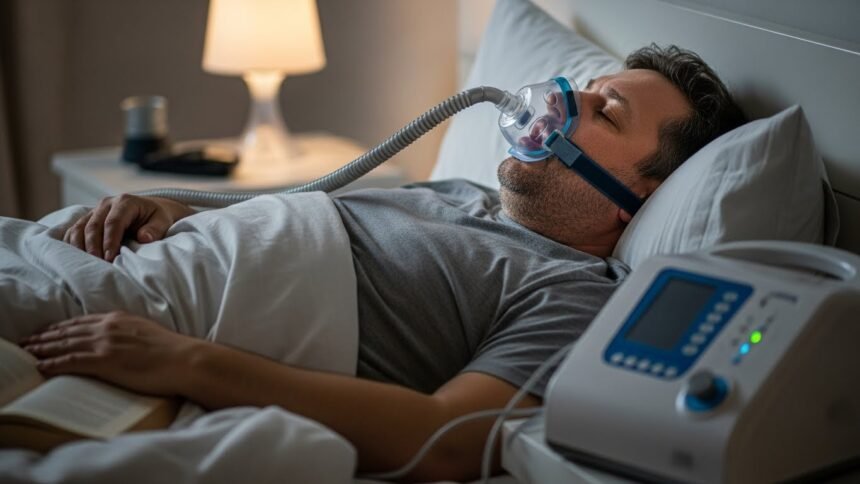
For millions of people, the diagnosis of Obstructive Sleep Apnea (OSA) comes with a specific, often dreaded prescription: the Continuous Positive Airway Pressure (CPAP) machine. While the CPAP is considered the gold standard for treatment, it is not without its challenges. The noise, the mask discomfort, and the feeling of claustrophobia lead many patients to abandon therapy, leaving them vulnerable to the serious health risks associated with untreated apnea.
Fortunately, the field of sleep medicine has evolved significantly. Today, there are numerous viable non-CPAP sleep apnea treatments available for those who cannot tolerate the machine. This comprehensive guide explores these alternatives, ranging from dental devices to cutting-edge surgical options, helping you navigate the path to better sleep.
The Compliance Crisis: Why Look Beyond CPAP?
Before diving into alternatives, it is crucial to understand why they are necessary. CPAP therapy works by blowing a steady stream of air into the throat to keep the airway open. However, studies show that long-term adherence to CPAP therapy can be low. According to research published by the National Institutes of Health (NIH), adherence rates can range anywhere from 30% to 60%.
When patients abandon treatment, they face a resurgence of symptoms including chronic fatigue, hypertension, and an increased risk of cardiovascular disease. This “compliance crisis” has driven the medical community to develop and refine effective non-CPAP sleep apnea treatments that fit better with patients’ lifestyles.
Oral Appliance Therapy (OAT)
One of the most popular and effective alternatives to CPAP is Oral Appliance Therapy. These custom-made devices look similar to a sports mouthguard or an orthodontic retainer but are designed specifically to maintain an open airway during sleep.
Mandibular Advancement Devices (MADs)
The most common type of oral appliance is the Mandibular Advancement Device. These devices work by easing the lower jaw (mandible) forward. By moving the jaw forward, the device pulls the tongue away from the back of the throat, preventing the collapse of soft tissues that causes apnea events.
Organizations like the American Academy of Dental Sleep Medicine (AADSM) strongly advocate for OAT as a first-line treatment for patients with mild to moderate OSA, or for those with severe OSA who have failed CPAP therapy. Unlike store-bought snore guards, these must be fitted by a qualified dentist to ensure they do not damage the jaw joint (TMJ) or shift tooth alignment.
Tongue Retaining Devices (TRDs)
Less common but useful for specific anatomies, TRDs hold the tongue in a forward position using suction. These are generally used for patients who cannot wear a MAD due to dental issues, such as a lack of teeth or severe gum disease.
Lifestyle Modifications and Natural Remedies
While medical interventions are often necessary, lifestyle changes form the bedrock of successful sleep apnea management. For some patients with mild apnea, these changes alone can significantly reduce the Apnea-Hypopnea Index (AHI).
- Weight Management: Excess weight, particularly around the neck, increases the pressure on the airway. The Harvard T.H. Chan School of Public Health notes a direct correlation between obesity and sleep apnea severity. A loss of just 10% of body weight can drastically improve airway function.
- Positional Therapy: Many people suffer from “positional OSA,” where apnea events occur mostly when sleeping on the back. Simple interventions, such as wearing a special shirt with a block on the back (or the classic “tennis ball technique”), force the sleeper onto their side. The Sleep Foundation highlights side sleeping as a key strategy for maintaining airway patency.
- Alcohol and Sedative Avoidance: Alcohol relaxes the throat muscles, increasing the likelihood of collapse. Avoiding alcohol at least four hours before bed can prevent the exacerbation of symptoms.
Surgical Interventions
When conservative treatments fail, surgery may be a viable path. Modern sleep surgery is far more targeted and effective than the broad approaches of the past.
Hypoglossal Nerve Stimulation (Inspire Therapy)
This is a breakthrough in non-CPAP sleep apnea treatments. It involves an implanted device, similar to a pacemaker, which monitors breathing patterns. When the patient takes a breath, the device sends a mild stimulation to the hypoglossal nerve, which controls tongue movement. This stimulation moves the tongue forward, opening the airway.
In 2014, the U.S. Food and Drug Administration (FDA) approved this therapy for patients who cannot tolerate CPAP. It is generally reserved for those with moderate to severe OSA.
Uvulopalatopharyngoplasty (UPPP)
This is the most common traditional surgery for sleep apnea. It involves removing excess tissue in the throat, including the tonsils, uvula, and part of the soft palate. While effective for some, the recovery can be painful. The Cleveland Clinic outlines that UPPP is often performed in conjunction with other procedures to maximize airway expansion.
Maxillomandibular Advancement (MMA)
MMA is a complex surgery where the upper and lower jaws are moved forward. This physically enlarges the airway space. While it has a high success rate, the recovery is significant, and it is usually considered a last resort.

Emerging and Adjunctive Therapies
Innovation in sleep medicine is continuous, leading to newer, less invasive options.
Expiratory Positive Airway Pressure (EPAP)
EPAP therapies, such as the Bongo Rx or the now-discontinued Provent, use the patient’s own breathing to create pressure. These small devices fit over the nostrils and contain valves that open when you inhale but restrict airflow when you exhale. This creates back pressure that keeps the airway open, similar to how CPAP works but without the machine. The American Sleep Apnea Association has discussed EPAP as a travel-friendly alternative for compliant patients.
Orofacial Myofunctional Therapy
Think of this as “physical therapy for the mouth.” It involves a series of exercises to strengthen the muscles of the tongue and throat. A study cited by Stanford Health Care suggests that myofunctional therapy can reduce apnea severity by up to 50% in adults and is even more effective in children.
Comparison of Sleep Apnea Treatments
To help you visualize the differences between these options, the following table compares key factors of the most common treatments.
| Treatment Option | Mechanism of Action | Invasiveness | Effectiveness (General) | Ideal Candidate |
|---|---|---|---|---|
| CPAP | Pneumatic splint (Air pressure) | Non-Invasive | High (Gold Standard) | Moderate to Severe OSA |
| Oral Appliance (MAD) | Mechanical jaw advancement | Minimally Invasive | High for Mild/Mod OSA | Mild/Moderate OSA, CPAP intolerant |
| Hypoglossal Nerve Stimulation | Electrical nerve stimulation | Invasive (Implant) | High | Mod/Severe OSA, BMI < 32 |
| Positional Therapy | Body positioning (Side sleeping) | Non-Invasive | Moderate (Conditional) | Positional OSA patients |
| EPAP Valves | Expiratory back-pressure | Non-Invasive | Moderate | Mild/Moderate OSA, Travelers |
| UPPP Surgery | Tissue removal | Invasive | Variable | Anatomy-specific obstruction |
The Role of the Sleep Specialist
Self-diagnosing and self-treating sleep apnea can be dangerous. It is vital to consult with a board-certified sleep specialist. They will likely prescribe a sleep study (polysomnography) to determine the severity of your condition.
According to Johns Hopkins Medicine, untreated sleep apnea can shorten your lifespan by several years. Therefore, if CPAP is not working for you, simply quitting is not an option—finding an alternative is a medical necessity.
Conclusion: Taking Control of Your Sleep Health
For years, the narrative around sleep apnea was “CPAP or nothing.” Today, the landscape is vastly different. From the custom fit of a mandibular advancement device to the high-tech solution of hypoglossal nerve stimulation, patients have more agency than ever before.
If you are struggling with your current therapy, do not resign yourself to poor sleep. Discuss these non-CPAP sleep apnea treatments with your healthcare provider. Whether it is through lifestyle adjustments, dental devices, or surgical intervention, the right solution is out there waiting to help you breathe easier and sleep deeper.
Disclaimer: This article is for informational purposes only and does not constitute medical advice. Always consult with a qualified healthcare professional for diagnosis and treatment of sleep disorders.