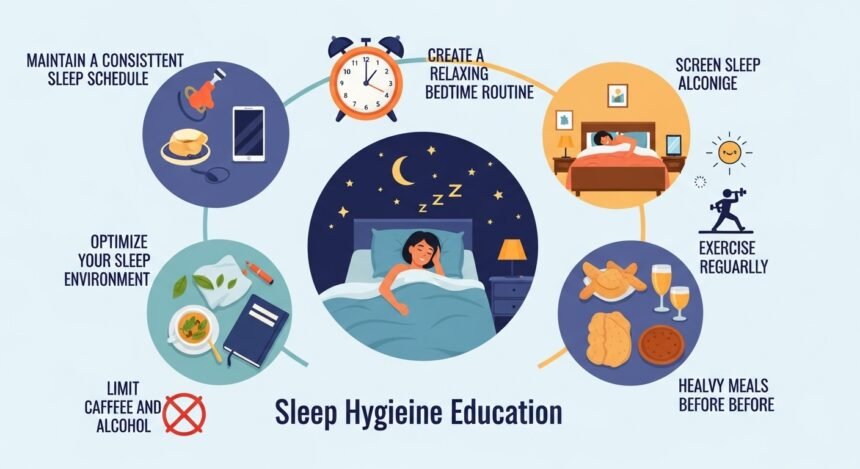
We have all experienced the frustration of staring at the ceiling at 3 am, watching the clock tick by while calculating how many hours remain before the alarm sounds. In the United Kingdom, sleep issues are becoming increasingly prevalent, with modern lifestyles often at odds with our biological needs. While the term “sleep hygiene” might sound clinical, it simply refers to the healthy habits, behaviours, and environmental factors that can be adjusted to help you get a good night’s sleep.
Improving your sleep hygiene is often the first line of defence against temporary insomnia and general fatigue. It is not about obsessive cleanliness, but rather about creating a personalised strategy to optimise your sleep quality. This guide provides authoritative, evidence-based education on how to overhaul your routine for better physical and mental health.
What Is Sleep Hygiene and Why Does It Matter?
Sleep hygiene encompasses a variety of practices that are necessary to have normal, quality nocturnal sleep and full daytime alertness. Good sleep hygiene is about putting yourself in the best position to sleep well each and every night.
When we neglect these habits, the consequences extend far beyond feeling a bit groggy. Poor sleep is linked to a weakened immune system, mental health struggles, and chronic conditions such as heart disease and diabetes. By prioritising rest, you are actively investing in your long-term wellbeing.
According to the NHS, most adults need between 7 and 9 hours of sleep per night. However, quality matters just as much as quantity. If you spend 9 hours in bed but wake up frequently, you may still feel exhausted.
The Physiology of Sleep: Understanding Your Body Clock
To master sleep hygiene, one must understand the body’s internal clock, known as the circadian rhythm. This 24-hour cycle controls your sleep-wake pattern and is heavily influenced by light and darkness. When this rhythm is disrupted—by shift work, travel, or poor habits—your body struggles to know when to release melatonin, the hormone that signals it is time to sleep.
Maintaining a synchronised circadian rhythm is crucial. This involves consistency. Going to bed and waking up at the same time every day helps ‘set’ this internal clock, making falling asleep easier over time.
Optimising Your Bedroom Environment
Your bedroom should be a sanctuary reserved for sleep and intimacy. If your environment is chaotic, bright, or uncomfortable, your brain will struggle to switch off.
Temperature Control
The ideal sleeping environment is cool. The Sleep Foundation suggests that a room temperature of around 16-18°C (60-65°F) is optimal for most people. Your body temperature naturally drops as you drift off; a room that is too warm can interfere with this physiological process and cause wakefulness.
Light and Darkness
Darkness triggers the production of melatonin. Even small amounts of light from streetlamps or standby lights on televisions can disrupt this.
- Blackout curtains: Essential for blocking external light, especially during British summer months when the sun rises early.
- Eye masks: A simple, cost-effective solution if you cannot fully darken the room.
- Dimming lights: Lower the lights in your home an hour before bed to signal to your body that the day is ending.
Noise Management
Sudden noises can pull you out of deep sleep phases. If you live in a noisy urban area or have noisy neighbours, consider using white noise machines or earplugs to create a consistent soundscape.
The Impact of Technology and Blue Light
In our digital age, screens are arguably the biggest enemy of sleep hygiene. Smartphones, tablets, and computers emit blue light, which tricks the brain into thinking it is still daytime. This suppresses melatonin production and delays sleep onset.
A study cited by the National Institutes of Health (PubMed) demonstrates that reading from a light-emitting screen before bed prolongs the time it takes to fall asleep and reduces alertness the next morning.
Actionable Steps:
- Implement a “digital curfew” at least 60 minutes before bed.
- Use “Night Mode” settings on devices if you must use them.
- Keep phones out of the bedroom entirely to avoid the temptation of “doom-scrolling.”
Dietary Habits and Stimulants
What you consume during the day has a direct impact on how you sleep at night. It is not just about what you eat, but when you eat it.
The Caffeine Trap
Caffeine is a stimulant that blocks adenosine, a chemical in the brain that makes you feel tired. It has a half-life of about 5 to 6 hours, meaning half of the caffeine you consume remains in your system hours later. If you drink a coffee at 4 pm, a significant amount is still active in your body at 10 pm.
To improve sleep, try to switch to decaffeinated alternatives after midday.
Alcohol and Sleep Quality
Many people use alcohol as a sleep aid, believing a “nightcap” helps them drift off. While alcohol is a sedative and may help you fall asleep faster, it severely degrades the quality of your rest. It disrupts REM (Rapid Eye Movement) sleep, which is vital for memory consolidation and emotional regulation. Information from Drinkaware highlights that alcohol also acts as a diuretic, leading to fragmented sleep due to bathroom trips.
Heavy Meals
Eating a large, heavy meal right before bed can cause indigestion and heartburn, making it difficult to lie comfortably. Aim to finish eating 2-3 hours before sleeping. If you are hungry, a light, sleep-friendly snack like a banana or oatcakes is preferable.

Physical Activity and Sleep
Regular physical activity is one of the most effective ways to improve sleep depth and duration. Exercise helps to tire the body out physically and reduces stress hormones like cortisol.
However, timing is key. Engaging in high-intensity interval training (HIIT) or heavy lifting right before bed can leave you too energised to sleep due to increased heart rate and body temperature. The World Health Organisation (WHO) recommends regular moderate activity, but try to schedule vigorous workouts at least three hours before bedtime.
Managing Mental Chatter and Anxiety
For many, the moment their head hits the pillow is the moment their brain decides to review every worry, to-do list item, and embarrassment from the past decade. This physiological arousal prevents the relaxation necessary for sleep.
Wind-Down Routines
Establishing a relaxing pre-sleep routine acts as a buffer between the stresses of the day and the night. This might include:
- Reading: Choose a physical book rather than a screen.
- Warm Bath: This helps lower your core body temperature afterwards, mimicking the natural drop that happens before sleep.
- Mindfulness: Practising meditation or breathing exercises can activate the parasympathetic nervous system, promoting calm.
If your mind is racing, try the “worry time” technique. Earlier in the day, write down everything that is worrying you and your plan to address it. When you get into bed, you can tell yourself you have already dealt with those thoughts. Resources from Mind offer excellent strategies for managing the link between mental health and sleep.
Napping: Friend or Foe?
Napping can be a double-edged sword. While a short power nap can boost alertness, long naps or naps taken late in the afternoon can steal “sleep pressure” from the night ahead, leading to insomnia.
If you must nap, keep it to 20 minutes and take it before 3 pm. This prevents you from entering deep sleep, which leads to grogginess (sleep inertia) upon waking. Read more about effective napping strategies to ensure you are boosting energy without sabotaging your night.
When to Seek Professional Help
Sometimes, excellent sleep hygiene is not enough. If you have optimised your environment and routine but still struggle with sleep for more than a month, you may have a sleep disorder.
Conditions such as Sleep Apnoea, Restless Leg Syndrome, or chronic Insomnia require medical intervention. The British Lung Foundation notes that snoring accompanied by gasping for air is a key sign of apnoea.
Furthermore, Cognitive Behavioural Therapy for Insomnia (CBT-I) is considered the gold standard treatment for chronic sleep issues. The National Institute for Health and Care Excellence (NICE) recommends CBT-I as a first-line treatment before medication.
The Bottom Line
Sleep hygiene education is about empowerment. It involves recognising that while we cannot force ourselves to sleep, we can create the perfect conditions for it to occur. By making small, consistent changes to your environment, diet, and schedule, you can significantly improve the quality of your rest.
Remember that changing behaviours takes time. Do not be discouraged if you do not see perfect results immediately. Stick with your new routine, be patient with yourself, and if problems persist, consult your GP to rule out underlying medical causes.
Prioritising your sleep is not a luxury; it is a fundamental pillar of health. For more insights into healthy living, explore our guide on managing daily stress effectively.
Additional resources for further reading include the Royal College of Psychiatrists guide on sleeping well and the GOV.UK public health infographics on sleep health.