We have all been there. You are exhausted, your body feels heavy, and you are desperate for rest. Yet, the moment your head hits the pillow, your mind begins to race. Worries about the day, upcoming tasks, or general feelings of unease flood your thoughts, making sleep seem impossible.
This is the frustrating reality of the anxiety-sleep cycle. Anxiety can cause sleep problems, and a lack of sleep can exacerbate anxiety. It is a feedback loop that affects millions of people across the UK. However, by implementing robust sleep hygiene practices, you can signal to your body and brain that it is time to switch off.
In this guide, we will explore evidence-based strategies to manage your anxiety and optimise your sleep routine. These are not quick fixes, but lifestyle adjustments that, over time, can significantly improve your mental wellbeing and the quality of your rest.
Understanding the Link Between Anxiety and Sleep
To tackle the problem, we must first understand the physiology behind it. When you suffer from anxiety, your body is often in a state of hyperarousal. This is essentially the body’s “fight or flight” response remaining active when it should be winding down.
During this state, your brain releases stress hormones like cortisol and adrenaline. These chemicals are designed to keep you alert and ready to face a threat. While useful in an emergency, they are detrimental when you are trying to drift off. According to the NHS, persistent sleeplessness can lead to a lower mood and difficulty concentrating, which only fuels further anxiety.
Research suggests that treating sleep issues can often alleviate the symptoms of anxiety disorders. By prioritising rest, you are directly supporting your mental health recovery.
What Exactly is Sleep Hygiene?
The term “sleep hygiene” does not refer to cleanliness. Instead, it refers to a set of behavioural and environmental practices that are necessary for quality nocturnal sleep and full daytime alertness. Just as you might have a routine for dental hygiene to protect your teeth, sleep hygiene protects your ability to rest.
Good sleep hygiene involves controlling your environment and your behaviour to strengthen the connection between your bed and sleep. For those with anxiety, this structure provides a sense of control and safety, which is essential for calming the nervous system.
The Core Pillars of Sleep Hygiene
- Environment: The physical setup of your bedroom.
- Routine: The habits you perform before bed.
- Lifestyle: Your daily choices regarding diet and exercise.
- Mental Control: How you manage intrusive thoughts.
Optimising Your Bedroom Environment
Your bedroom should be a sanctuary reserved for sleep and intimacy only. If your bedroom doubles as an office or a living room, your brain may associate the space with activity and stress rather than relaxation.
Temperature and Air Quality
The ideal sleeping temperature is cooler than you might expect, typically between 16°C and 18°C. A cooler room helps lower your core body temperature, which is a biological signal that it is time to sleep. Ensure the room is well-ventilated to keep the air fresh.
Lighting and Melatonin
Light is the most powerful regulator of your circadian rhythm (your internal body clock). Exposure to artificial light in the evening suppresses melatonin, the hormone that makes you sleepy. To combat this:
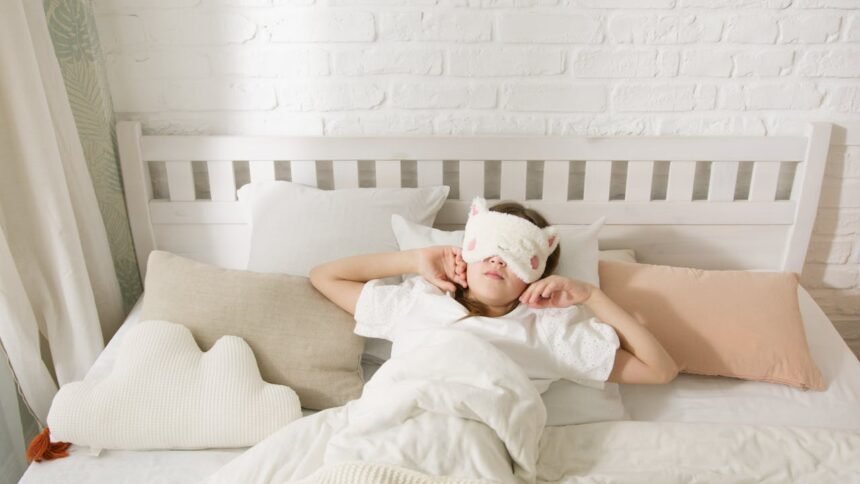
- Use blackout curtains or a high-quality eye mask.
- Avoid bright overhead lights in the hour before bed; use soft, warm lamps instead.
- Keep electronic devices out of the bedroom to avoid blue light exposure.
For more on creating a calming space, read our guide on designing a bedroom for mental health.

Establishing a Consistent Routine
Predictability is soothing for an anxious mind. By performing the same set of actions every night, you condition your brain to recognise that sleep is coming.
The Golden Rule: Consistency
Try to go to bed and wake up at the same time every day, even on weekends. This regular timing strengthens your circadian rhythm. While it might be tempting to lie in after a bad night’s sleep, doing so can disrupt your drive for sleep the following night, perpetuating the cycle of insomnia.
The Wind-Down Hour
Dedicate the hour before sleep to relaxation. This is not the time to check work emails or read distressing news. Instead, focus on activities that lower your heart rate and relax your muscles.
- Reading: Choose fiction or light material rather than non-fiction or work-related topics.
- Warm Bath: A bath one to two hours before bed can help. As you cool down afterwards, it mimics the body’s natural temperature drop for sleep.
- Gentle Stretching: Yoga or light stretching can release physical tension stored in the body.
You can find specific routines in our article on evening rituals for stress relief.
Diet, Exercise and Lifestyle Factors
What you do during the day has a profound impact on how you sleep at night. Managing your intake of stimulants is particularly crucial for those prone to anxiety.
Caffeine and Alcohol
Caffeine is a stimulant that can stay in your system for many hours. It blocks adenosine, a brain chemical that helps you feel tired. If you struggle with anxiety, consider switching to decaffeinated tea or coffee after midday. Similarly, while alcohol may help you fall asleep faster, it significantly reduces the quality of your REM sleep, leading to fragmented rest and increased anxiety the next day. The Drinkaware charity provides excellent resources on how alcohol affects mental health.
Physical Activity
Regular moderate exercise, such as walking, swimming, or cycling, can help burn off the stress hormones like adrenaline that accumulate during the day. However, try to avoid vigorous exercise within three hours of bedtime, as the post-workout energy boost might keep you awake. Learn more about the benefits of movement for anxiety.
Cognitive Techniques for Racing Thoughts
For many, the physical environment is perfect, but the mind refuses to be quiet. This “tired but wired” feeling is a hallmark of anxiety. Here are specific cognitive techniques to manage this.
The “Worry Time” Technique
Anxiety often strikes at night because it is the first time in the day we are not distracted. To counter this, schedule “worry time” earlier in the evening. Spend 15 minutes writing down your concerns and potential solutions. When a worry pops up at 2am, you can tell yourself, “I have already dealt with that,” or “I will deal with that during tomorrow’s worry time.”
The 20-Minute Rule
If you have not fallen asleep after about 20 minutes, or if you wake up and cannot settle, get out of bed. Lying in bed awake creates a psychological association between your bed and frustration. Go to a different room, keep the lights low, and do a calm activity like reading. Only return to bed when you feel sleepy again. This is a core component of Cognitive Behavioural Therapy for Insomnia (CBT-i).
Relaxation Techniques to Try
Active relaxation exercises can help shift your nervous system from sympathetic (stressed) to parasympathetic (relaxed) dominance.
Progressive Muscle Relaxation (PMR)
PMR involves tensing and then relaxing different muscle groups in the body. Start at your toes, tense them for five seconds, and then release. Work your way up through your legs, stomach, arms, and face. This helps you recognise where you are holding physical tension and encourages release.
Box Breathing
Breathing exercises are highly effective for anxiety. Try the “Box Breathing” method:
- Breathe in through your nose for a count of 4.
- Hold that breath for a count of 4.
- Exhale through your mouth for a count of 4.
- Hold the empty lungs for a count of 4.
Repeat this cycle for several minutes. You can find guided sessions in our breathing techniques library.
Supplements and Natural Aids
While lifestyle changes are the gold standard, some people find natural aids helpful. Magnesium is often cited for its muscle-relaxing properties. Herbal teas containing camomile, valerian root, or lavender can also be soothing additions to a bedtime routine. Always consult a pharmacist or GP before starting supplements, especially if you are on medication for anxiety.
For a deeper dive into natural remedies, visit the NCCIH or consult resources from Mind UK regarding herbal interactions.
When to Seek Professional Help
If you have tried improving your sleep hygiene for several weeks without success, or if your anxiety is significantly impacting your daily life, it is time to seek professional support. Chronic insomnia is a treatable condition.
Your GP may recommend talking therapies such as CBT, which is recommended by the National Institute for Health and Care Excellence (NICE) as a first-line treatment for insomnia. They may also review any current medications to see if they are affecting your sleep.
You can read more about what to expect from therapy in our guide to different types of counselling.
Common Sleep Disorders Associated with Anxiety
- Insomnia: Difficulty falling or staying asleep.
- Sleep Apnea: Interrupted breathing during sleep, often causing daytime fatigue.
- Restless Leg Syndrome: An overwhelming urge to move legs at night.
For detailed information on these conditions, the Sleep Charity offers extensive fact sheets.
The Bottom Line
Improving sleep hygiene when you suffer from anxiety requires patience and self-compassion. It is not about achieving “perfect” sleep every night, but rather about building a framework that supports your body’s natural need for rest. By making small, consistent changes to your environment, routine, and mindset, you can break the cycle of sleeplessness.
Remember, sleep is a biological necessity, not a luxury. Prioritising it is one of the most effective ways to manage anxiety and improve your overall quality of life. Start with one or two changes tonight—perhaps dimming the lights earlier or leaving your phone in another room—and build from there.
For further reading, explore our articles on mindfulness for beginners and holistic stress reduction.
If you are in crisis or need immediate support, please contact the Samaritans on 116 123 or visit your local A&E.