We’ve all been there. You toss, you turn, you flip the pillow over to the cool side, and you stare at the ceiling while calculating how many hours of sleep you’d get if you fell asleep right now. It’s exhausting just thinking about it. While we often blame stress, blue light from our phones, or an uncomfortable mattress for our insomnia, there is a silent culprit that often goes unnoticed: your dinner plate.
The connection between what we eat and how we sleep is profound. It’s a two-way street; poor sleep can lead to bad food choices (hello, sugar cravings), and poor nutrition can lead to fragmented rest. If you are looking to optimize your health, focusing on a diet for better sleep quality is one of the most effective, natural changes you can make.
In this guide, we aren’t just going to tell you to drink warm milk. We are diving deep into the science of food and slumber, exploring the nutrients that act as nature’s lullabies, and identifying the dietary villains that steal your rest.
The Science of Sleep: It’s All About Chemistry
Before we raid the pantry, we need to understand the mechanics of sleep. Your body runs on a 24-hour internal clock known as the circadian rhythm. This rhythm is heavily influenced by hormones and neurotransmitters, specifically melatonin and serotonin.
- Melatonin: Often called the “sleep hormone,” it signals to your body that it is time to wind down.
- Serotonin: A precursor to melatonin, this neurotransmitter stabilizes mood and promotes feelings of well-being.
According to the National Institute of General Medical Sciences, your circadian rhythms are physical, mental, and behavioral changes that follow a 24-hour cycle. What you eat provides the building blocks—tryptophan, magnesium, calcium, and B6—required to produce these essential hormones.
The Sleep Superfoods: What to Add to Your Grocery List
To cultivate a diet for better sleep quality, you need to focus on foods that calm the nervous system and boost melatonin production. Here are the heavy hitters.
1. Complex Carbohydrates and Lean Proteins
There is a reason you feel sleepy after a big turkey dinner. Turkey contains Tryptophan, an amino acid that the body converts into serotonin and then melatonin. However, tryptophan needs a ride to cross the blood-brain barrier. Complex carbohydrates provide that transport.
Combining a complex carb with a lean protein (like whole-grain crackers with turkey or hummus) is an excellent pre-sleep snack strategy. Research from the National Library of Medicine suggests that tryptophan-enriched diets can significantly improve sleep-wake cycles.
2. The Magnesium Powerhouses
Magnesium is often referred to as the “relaxation mineral.” It helps deactivate adrenaline and plays a key role in quieting the nervous system. A deficiency in magnesium is strongly linked to insomnia.
Top sources include:
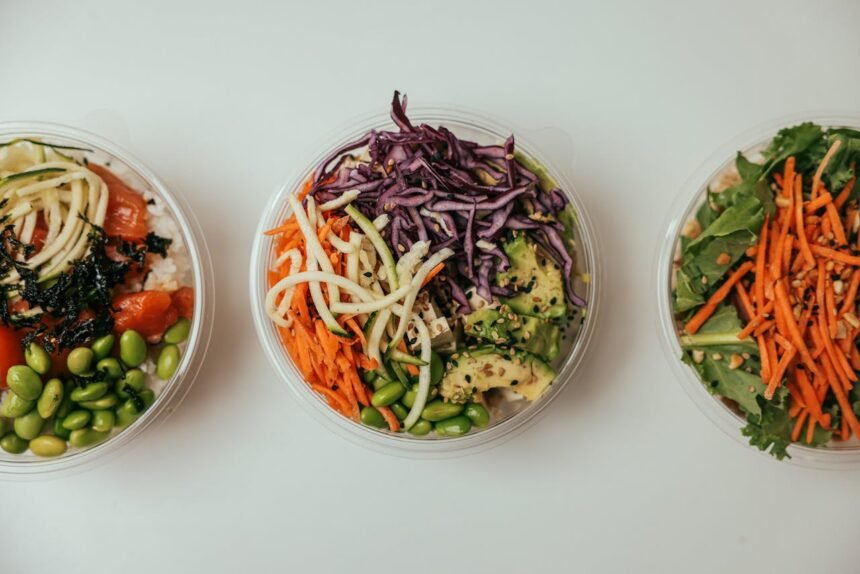
- Leafy greens (Spinach, Swiss chard)
- Nuts and seeds (Pumpkin seeds, almonds)
- Avocados
The Office of Dietary Supplements (ODS) notes that magnesium assists in regulating neurotransmitters that send signals throughout the brain and nervous system.
3. Tart Cherries
Tart cherries are one of the few natural food sources of melatonin. Several studies have shown that drinking tart cherry juice can increase sleep duration and quality. It’s not just a folk remedy; it’s backed by data. A study highlighted by the American Society for Nutrition suggests that the anti-inflammatory properties of tart cherries may also play a role in better rest.
4. Fatty Fish
Fatty fish like salmon, tuna, trout, and mackerel are incredibly healthy. They are loaded with Vitamin D and Omega-3 fatty acids. This combination helps regulate serotonin. The American Heart Association recommends eating fish at least twice a week, which benefits not just your heart, but potentially your sleep cycles as well.
Nutrient Profile of Top Sleep Foods
To make this easier to visualize, here is a breakdown of how specific foods interact with your sleep biology.
| Superfood | Key Nutrient | Mechanism of Action | Best Time to Eat |
|---|---|---|---|
| Kiwi | Serotonin & Antioxidants | Studies show eating 2 kiwis before bed can increase sleep duration by 13%. | 1 hour before bed |
| Almonds | Magnesium & Melatonin | Reduces inflammation and cortisol (stress hormone) levels. | Afternoon snack or light evening garnish |
| Chamomile Tea | Apigenin | An antioxidant that binds to receptors in the brain promoting sleepiness. | 30-45 mins before sleep |
| Salmon | Vitamin D & Omega-3s | Increases serotonin production leading to better sleep cycles. | Dinner (3 hours before bed) |
| Turkey | Tryptophan | Precursor to serotonin and melatonin. | Dinner |
The Saboteurs: Foods That Wreck Your Rest
Creating a diet for better sleep quality isn’t just about what you eat; it’s about what you avoid. Some foods act as stimulants or cause digestive distress that keeps you awake.
1. The Caffeine Trap
We all know coffee wakes us up, but many people underestimate its half-life. Caffeine can stay in your system for 6 to 8 hours. If you drink a cup at 4:00 PM, half of that caffeine is still active in your bloodstream at 10:00 PM. The Food and Drug Administration (FDA) suggests monitoring your intake closely if you suffer from nervousness or insomnia.
2. Alcohol: The False Friend
Many people use a “nightcap” to help them drift off. While alcohol is a sedative that may help you fall asleep faster, it destroys the quality of your sleep. It blocks REM sleep, which is the restorative stage of the cycle. According to Harvard Health, alcohol consumption leads to fragmented sleep and often causes you to wake up in the middle of the night.
3. Spicy and Acidic Foods
That spicy curry might be delicious, but it can trigger heartburn or Gastrointestinal Reflux Disease (GERD). Lying down exacerbates heartburn, making it impossible to get comfortable. Johns Hopkins Medicine advises avoiding trigger foods like spicy dishes, citrus, and tomato-based sauces close to bedtime.
Chrononutrition: Timing Is Everything
It’s not just what you eat, but when you eat. Emerging research into “chrononutrition” suggests that aligning your meals with your circadian rhythm is vital.
Eating a heavy meal right before bed forces your body to focus on digestion rather than restoration. This can raise your body temperature and metabolic rate, which are the opposite of what needs to happen for deep sleep. Ideally, you should finish your last large meal at least 3 hours before hitting the hay.
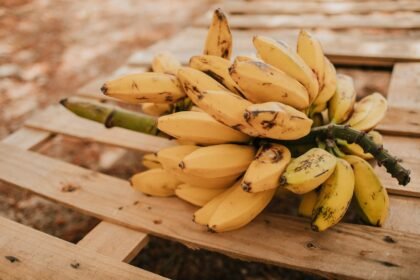
If you are absolutely starving before bed, keep it small (under 150 calories) and bland. A small banana or a handful of walnuts is perfect.
Hydration and Sleep
Water plays a tricky role. You need to be hydrated for your body to perform its nightly maintenance, but drinking too much right before bed leads to “nocturia” (waking up to urinate). The Sleep Foundation recommends front-loading your water intake earlier in the day and tapering off about two hours before bedtime.
The Mediterranean Connection
If you are looking for a diet plan that encompasses almost all these principles naturally, look no further than the Mediterranean Diet. Rich in plants, lean proteins, olive oil, and fiber, it is consistently ranked as one of the healthiest diets in the world.
A study cited by the Mayo Clinic indicates that people who follow a Mediterranean-style diet are less likely to suffer from insomnia and sleep apnea. This is likely due to the high anti-inflammatory nature of the food and the reduction in obesity risk.
Practical Steps to Start Tonight
Transforming your sleep hygiene through nutrition doesn’t have to be overwhelming. Here is a simple checklist to get started:
- Cut the Caffeine: Switch to herbal tea after 2:00 PM.
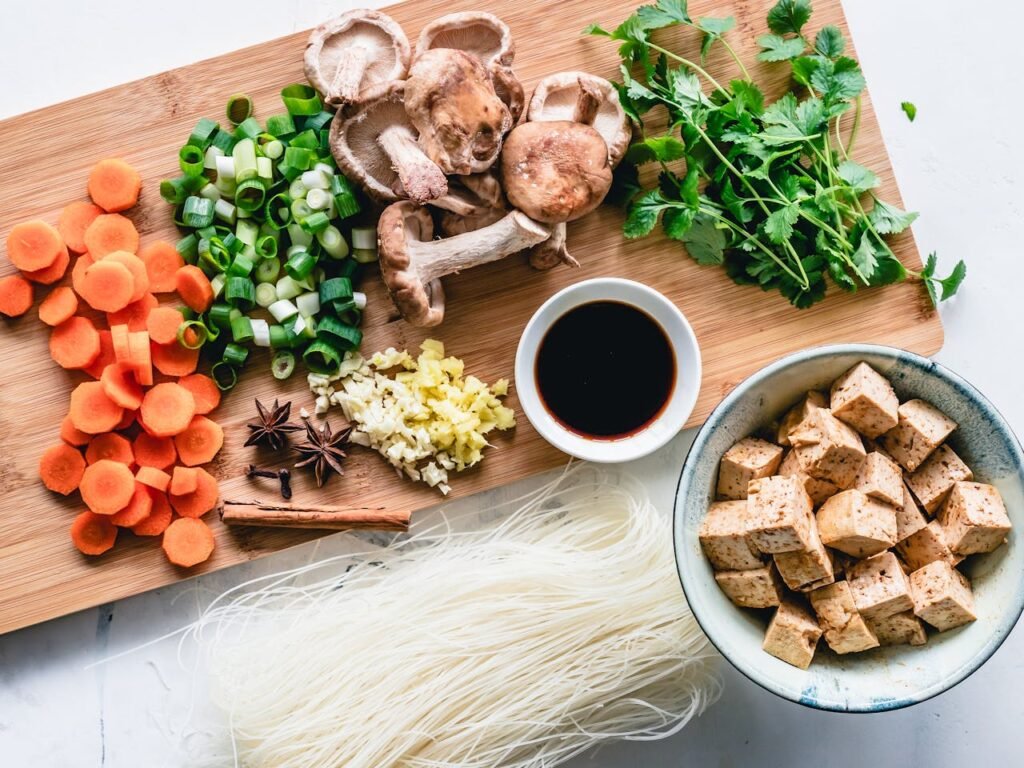
- Dinner Audit: Swap that steak for salmon or a tofu stir-fry with brown rice.
- Snack Smart: Replace the evening chips with a kiwi or a small bowl of yogurt with berries.
- Hydrate Early: Keep a water bottle with you all morning and afternoon.
Conclusion: Eat Right, Sleep Tight
In a world that glorifies the “hustle” and often treats sleep deprivation as a badge of honor, prioritizing your rest is a radical act of self-care. Your body is a complex machine, and the fuel you put in it dictates how well it powers down at night.
Adopting a diet for better sleep quality isn’t about restriction; it’s about addition. Add more magnesium, add more omega-3s, and add more consistency to your schedule. By making these small, delicious adjustments, you aren’t just improving your nights—you are optimizing your days, your mood, and your long-term health.
So, tonight, skip the espresso, grab a handful of cherries, and prepare for the sweet dreams you deserve. Your body will thank you in the morning.