Let’s face it: walking into a modern supermarket can feel like entering a Las Vegas casino. The lights are bright, the colors are vivid, and everything is designed to make you lose track of time (and your budget). But instead of slot machines, you’re faced with towering displays of cookies, buy-one-get-one-free soda offers, and ‘healthy’ snacks that are actually just candy bars in disguise.
It is no wonder that making smart grocery shopping healthy choices feels like an uphill battle. We all want to fuel our bodies with nutritious food, but decision fatigue sets in somewhere between the produce section and the frozen pizzas.
However, the battle for your health isn’t won in the kitchen; it is won in the aisles of your local grocery store. If you don’t buy it, you can’t eat it (at 11 PM while binge-watching your favorite show). This guide is here to turn you into a grocery store ninja, helping you navigate the shelves with confidence, save money, and fill your cart with goodness.
The Psychology of the Supermarket
Before we dive into what to buy, it is crucial to understand how stores sell to us. Supermarkets are masterpieces of consumer psychology.
Have you ever noticed that the milk and eggs are almost always at the back of the store? This forces you to walk past thousands of other products just to get the staples. End-of-aisle displays (endcaps) are leased by companies to push high-profit, often highly processed items. Understanding that the store layout is designed to trigger impulse buys is your first defense.
Planning Ahead: The Battle is Won Before You Enter
To make smart grocery shopping healthy choices, you need a game plan. Walking in without a list is like hiking without a compass—you might have fun for a bit, but you’ll eventually get lost.
1. The Power of Meal Planning
Taking 15 minutes on a Sunday to plan your meals for the week can save you hundreds of calories and dollars. According to the Centers for Disease Control and Prevention (CDC), planning meals ahead helps you manage your weight and ensures you meet your nutritional needs.
2. The Golden Rule: Don’t Shop Hungry
We’ve all heard it, but science backs it up. When you are hungry, your body produces ghrelin, a hormone that not only stimulates appetite but also increases the appeal of high-calorie foods. Research discussed by the Mayo Clinic suggests that shopping on an empty stomach leads to significantly more impulse purchases of high-sugar, high-fat foods.

Decoding the Data: Reading Labels Like a Pro
The front of the package is marketing; the back is reality. Phrases like “All Natural,” “Low Fat,” or “Multigrain” can be misleading. To truly practice smart grocery shopping healthy choices, you have to flip the package over.
- Serving Size: Always check this first. That small bag of chips might actually contain 2.5 servings.
- The Ingredient List: Ingredients are listed by quantity, from highest to lowest. If sugar (or one of its many aliases like high fructose corn syrup, dextrose, or agave nectar) is in the top three, put it back.
- Saturated Fats and Sodium: The American Heart Association recommends limiting saturated fats and keeping an eye on sodium, which acts as a preservative in many processed foods.
The Perimeter Strategy
A classic tip that holds true: stick to the perimeter. The outer edges of the store usually house the fresh produce, meat, dairy, and seafood sections—foods that don’t require a long list of ingredients to survive on a shelf.
Produce: The Rainbow Connection
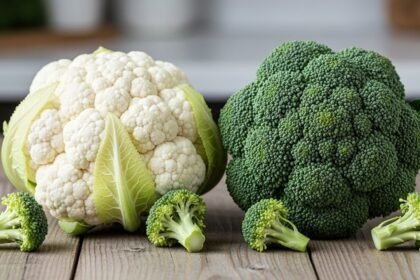
Aim to fill half your cart with fruits and vegetables. They are packed with fiber, vitamins, and phytonutrients. Don’t be afraid of ugly fruit! Many stores offer discounts on produce that looks a bit wonky but tastes perfect.
Lean Proteins
When selecting meats, look for “loin” or “round” cuts of beef and pork, which are generally leaner. For poultry, skinless options are best. Don’t forget plant-based proteins! The Harvard T.H. Chan School of Public Health emphasizes the longevity benefits of incorporating plant proteins like tofu, lentils, and beans into your diet.
Navigating the Inner Aisles
You have to venture into the center eventually for staples. This is where things get tricky, but it’s also where you can find great nutrition if you look closely.
- Grains: Look for the Whole Grains Council stamp. You want 100% whole wheat or whole grain. White flour products have been stripped of bran and germ, removing most of the fiber.
- Canned Goods: Canned beans and tomatoes are pantry heroes. However, they can be sodium bombs. Look for “No Salt Added” versions, or simply rinse standard canned beans under water to remove up to 40% of the sodium.
- The Frozen Section: Frozen fruits and veggies are often flash-frozen at peak ripeness, locking in nutrients. They are a fantastic, budget-friendly way to make smart grocery shopping healthy choices, especially when fresh produce is out of season.
Fresh vs. Frozen vs. Canned: A Quick Comparison
Here is a breakdown to help you decide which version of your favorite produce to buy based on your needs.
| Feature | Fresh Produce | Frozen Produce | Canned Produce |
|---|---|---|---|
| Nutrient Density | High (if eaten soon after harvest) | High (often higher than fresh stored too long) | Moderate (heating process can lower heat-sensitive vitamins) |
| Cost | Varies (expensive out of season) | Moderate/Low (stable pricing) | Low (very budget-friendly) |
| Shelf Life | Short (days to a week) | Long (months) | Very Long (years) |
| Additives | Usually none (check for wax on fruit) | Low (check for added sauces/sugar) | High Sodium or Syrup (unless specific labels chosen) |
| Best For | Salads, snacking, immediate use | Smoothies, stir-frys, soups | Emergency pantries, chili, stews |
Smart Swaps for Common Junk Foods
Deprivation rarely works long-term. Instead of cutting out treats entirely, swap them for healthier alternatives that satisfy the craving without the crash.
- Soda → Sparkling Water with Fruit: You get the fizz without the liquid sugar.
- Sour Cream → Greek Yogurt: Greek yogurt has a similar tang and texture but is packed with protein and probiotics. Healthline notes that the high protein content can also help you feel fuller for longer.
- Milk Chocolate → Dark Chocolate (70%+): Dark chocolate contains antioxidants and less sugar.
- Sugary Cereal → Oatmeal: Instant oatmeal packets are often loaded with sugar. Buy plain oats and sweeten them with fresh berries and a drizzle of honey.
- Potato Chips → Air-Popped Popcorn: Popcorn is a whole grain! If you skip the movie theater butter, it’s a crunchy, high-fiber snack.
Budgeting for Health: The Myth of the Expensive Diet
One of the biggest barriers to making smart grocery shopping healthy choices is the belief that it costs too much. While buying organic, imported superfoods is pricey, eating healthy basics is often cheaper than processed food.
- Buy Seasonal: According to the USDA SNAP-Ed Connection, buying produce in season is significantly cheaper and tastier.
- Buy in Bulk: Grains, beans, and nuts are cheaper in the bulk bins. Just make sure you only buy what you will actually use.
- Generic Brands: Store brands are often manufactured in the same facilities as name brands. The nutritional content is usually identical, but the price is 20-30% lower.
Conclusion: Your Cart, Your Health
Next time you grab a shopping cart, remember that you are the CEO of your body. The choices you make in those aisles determine your energy levels, your mood, and your long-term health.
By sticking to a list, shopping the perimeter, reading labels, and making simple swaps, you can navigate the supermarket without falling into the junk food traps. It isn’t about being perfect; it’s about being prepared.
Ready to transform your kitchen? Start this week. make a meal plan, write that list, and hit the store with confidence. Your body will thank you!
For more information on balanced eating, visit the government’s nutrition resource at MyPlate.gov.