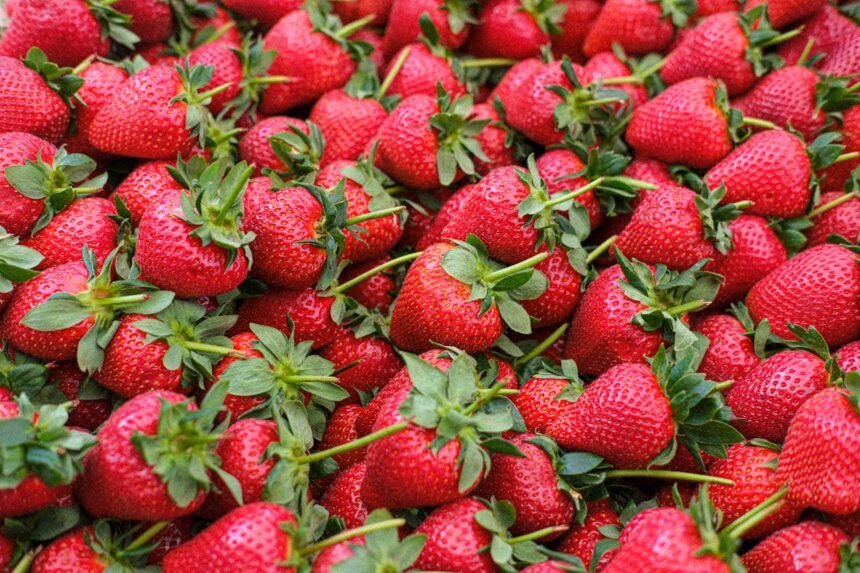
There is something undeniably cheerful about a bowl of fresh strawberries. Their vibrant red colour and sweet aroma are a staple of British summers, signalling warmer days and outdoor picnics.
However, you might be surprised to learn that this popular fruit offers far more than just a pleasant flavour. For those of us concerned about maintaining our cognitive abilities as we age, strawberries could be a crucial addition to our diets.
Memory slips and the fear of cognitive decline are natural worries. We all want to stay sharp, focused, and present for our loved ones. While genetics play a role, lifestyle factors—particularly diet—are within our control.
Emerging research suggests that the specific compounds found in strawberries may actively protect the brain from ageing.
This article explains the science behind strawberries and brain health, reviews the latest clinical evidence, and provides actionable tips on how to incorporate them into your daily routine.
What Is the Link Between Strawberries and Brain Health?
The connection lies primarily in a class of compounds called flavonoids. These are naturally occurring plant pigments that give fruit and vegetables their brilliant colours.
Strawberries are particularly rich in a specific type of flavonoid known as pelargonidin. This compound is responsible for the bright red hue of the berry.
But pelargonidin does more than provide colour. It acts as a powerful antioxidant within the body.
According to the NHS Eatwell Guide, fruit and vegetables are essential for reducing the risk of chronic diseases. In the context of the brain, these antioxidants help combat oxidative stress.
Oxidative stress occurs when there is an imbalance between free radicals (unstable molecules) and antioxidants in your body. Over time, this imbalance damages cells, including neurons in the brain.
By neutralising these free radicals, the antioxidants in strawberries help protect brain cells from damage.
Reducing Neuroinflammation
Another critical factor in brain health is inflammation. While acute inflammation is a healthy immune response to injury, chronic inflammation is detrimental.
Systemic inflammation has been linked to various neurodegenerative conditions, including Alzheimer’s disease and dementia.
Research indicates that the bioactive compounds in strawberries have anti-inflammatory properties.
A balanced diet rich in anti-inflammatory foods can help dampen this systemic response. For a deeper dive into which foods fight inflammation, you can check this resource on Healthline.
By lowering inflammation levels, strawberries may help preserve the structural integrity of the brain as you age.
Key Evidence: What the Studies Show
It is one thing to claim a food is healthy, but scientific evidence is required to prove specific benefits for memory.
Recent studies have focused specifically on the consumption of strawberries and their effect on cognitive performance in older adults.
The Cincinnati Study
A notable study conducted by researchers at the University of Cincinnati Academic Health Center looked specifically at middle-aged adults with mild cognitive decline.
Participants were given a daily supplement of strawberry powder, equivalent to about one cup of fresh strawberries, for 12 weeks.
The results were promising. Those who consumed the strawberry powder demonstrated reduced interference in memory tasks.
Essentially, they were better able to ignore irrelevant information and focus on the task at hand. This suggests an improvement in executive function.
Furthermore, the participants showed a reduction in depressive symptoms. This is significant because, as noted by Alzheimer’s Research UK, depression is a known risk factor for dementia.
The Nurses’ Health Study
Larger observational studies also support these findings. The Nurses’ Health Study, which followed over 16,000 women aged 70 and older, found a strong correlation between berry consumption and brain health.
Women who consumed greater amounts of strawberries and blueberries had slower rates of cognitive decline.
The difference was substantial. High intake of these berries appeared to delay cognitive ageing by up to 2.5 years.
This evidence aligns with advice from the British Heart Foundation, which highlights the protective role of dietary antioxidants in maintaining overall vascular and cellular health.
Metabolic Benefits
Brain health is closely tied to metabolic health. Insulin resistance in the brain is a feature of Alzheimer’s disease.
Strawberries have a relatively low glycaemic index compared to other fruits. This means they do not cause rapid spikes in blood sugar.
Maintaining stable blood sugar levels is crucial for cognitive function. You can read more about the impact of sugar on health from Diabetes UK.
Nutritional Breakdown: Strawberries vs. Other Brain Foods
To understand why strawberries are unique, it helps to compare them to other popular fruits often cited for brain health. The following table outlines the key differences in their nutritional profiles relevant to cognitive support.
| Nutrient Factor | Strawberries | Blueberries | Bananas |
|---|---|---|---|
| Primary Flavonoid | Pelargonidin | Anthocyanins | Catechins |
| Vitamin C Content | Very High (approx. 58mg/100g) | Moderate (approx. 10mg/100g) | Low (approx. 9mg/100g) |
| Sugar Content | Low (approx. 4.9g/100g) | Moderate (approx. 10g/100g) | High (approx. 12g/100g) |
| Best For | Anti-inflammation & Vitamin C | Memory retention | Energy & Potassium |
As the table illustrates, strawberries are the superior choice if you are looking to maximise Vitamin C intake while minimising sugar consumption.
Practical Tips for Adding Strawberries to Your Diet
Incorporating strawberries into your diet is simple, but how you eat them matters.
Here are some tips to ensure you get the maximum nutritional benefit:
- Choose Organic When Possible: Strawberries often appear on lists of produce with higher pesticide residues. If your budget allows, organic options may reduce your exposure to these chemicals.
- Eat Them Fresh: While cooking strawberries for jams or pies is delicious, high heat can degrade Vitamin C and some antioxidants. Eating them raw preserves their full nutrient profile.
- Pair with Healthy Fats: Some nutrients are fat-soluble. Pairing strawberries with a handful of walnuts or a dollop of Greek yoghurt can help your body absorb these compounds more effectively.
- Wash Just Before Eating: Moisture encourages mould. To keep your berries fresh for longer, wash them only right before you plan to eat them. See GOV.UK for advice on food hygiene and washing produce.
- Frozen is Fine: If fresh strawberries are out of season or too expensive, frozen strawberries are an excellent alternative. They are often picked at peak ripeness and flash-frozen, locking in nutrients.
For creative ways to use strawberries, BBC Good Food offers a wide range of healthy recipes that go beyond simple fruit salads.
Frequently Asked Questions
How many strawberries should I eat a day for brain health?
Most studies, including the Cincinnati trial, suggest that a serving equivalent to one cup of whole strawberries per day is sufficient to see benefits. Consistency is more important than quantity.
Are dried strawberries good for you?
Dried fruit can be a convenient snack, but it is much higher in sugar by weight than fresh fruit. The drying process removes water, concentrating the sugars. It is easy to overeat dried fruit, so portion control is essential. Fresh or frozen is generally preferred for blood sugar management.
Can strawberries prevent Alzheimer’s disease?
No single food can prevent a complex disease like Alzheimer’s. However, a diet rich in flavonoids, including those from strawberries, can lower your risk. It should be part of a broader lifestyle approach including exercise and sleep. For comprehensive advice on staying sharp, visit Age UK.
Do strawberries interact with medications?
Strawberries are generally safe for most people. However, they contain moderate amounts of Vitamin K and salicylates. If you are on blood-thinning medication like warfarin, you should maintain a consistent intake of Vitamin K rather than making drastic changes. Always consult your GP or a dietitian. The British Dietetic Association provides excellent resources on how food interacts with health and mood.
Is strawberry juice as effective as whole fruit?
Juice often lacks the fibre found in the whole fruit. Fibre is crucial for slowing down the absorption of sugar into the bloodstream. Without the fibre, you may experience a blood sugar spike. It is nearly always better to eat the whole fruit rather than drink the juice.
The Bottom Line
Strawberries are a delicious, low-sugar fruit packed with Vitamin C and powerful antioxidants like pelargonidin.
Current scientific evidence suggests that regular consumption may improve memory, enhance executive function, and potentially reduce the risk of long-term cognitive decline.
While they are not a magic cure, they are a potent tool in your dietary arsenal against ageing.
Aim for a cup a day, fresh or frozen, and enjoy them as part of a balanced diet rich in vegetables, whole grains, and healthy fats.
By making small, consistent changes to what you eat, you can support your brain health for years to come.
For more detailed scientific data on flavonoid intake and cognitive function, you can review studies available via PubMed.