When walking down the aisle of your local supermarket, you are likely greeted by a vibrant display of berries. Among the most popular choices in the United Kingdom are the classic strawberry and the nutrient-dense blueberry. Both fruits are celebrated for their sweet flavours, versatility in cooking, and impressive nutritional profiles. However, if you had to choose just one to prioritise for your health, which punnet should you pick?
Berries are often labelled as superfoods, a term used to describe foods with high nutrient density. They are packed with essential vitamins, minerals, and antioxidants that support everything from heart health to immune function. Yet, despite their similarities, strawberries and blueberries offer distinct benefits that may align differently with your personal health goals. Whether you are adding them to your morning porridge or snacking on them raw, understanding the differences is key.
This article provides a comprehensive, evidence-based comparison of strawberries and blueberries to help you decide which berry reigns supreme for your specific dietary needs.
Nutritional Profile Overview
To understand which berry might be the healthier choice, we must first look at their nutritional composition. Both fruits are low in calories and high in water content, making them excellent choices for weight management. However, their micronutrient profiles vary significantly.
Strawberries are renowned for their exceptionally high Vitamin C content. A single serving can provide more Vitamin C than an orange, which is crucial for immune defence, skin health, and collagen production. They also contain decent amounts of folate (vitamin B9) and manganese.
Blueberries, on the other hand, are famous for their antioxidant capacity. While they contain Vitamin C, their true power lies in their phytochemicals, particularly anthocyanins, which give them their deep blue colour. They are also a good source of Vitamin K1, which is essential for blood clotting and bone health.
When strictly comparing macronutrients, blueberries are slightly denser in calories and carbohydrates compared to strawberries. This is because strawberries have a higher water content. According to NHS guidelines on portion sizes, a portion of fresh fruit is roughly 80g. For those strictly watching their sugar intake, strawberries offer a lower-sugar alternative per 100g compared to blueberries, although both are considered low-glycaemic fruits.
It is also important to consider fibre. Both berries provide good amounts of dietary fibre, which aids digestion and promotes a feeling of fullness. However, blueberries tend to have a marginally higher fibre concentration per gram, potentially offering a slight edge for digestive health.
Detailed Health Benefits Breakdown
1. Antioxidant Powerhouses
Antioxidants are compounds that help fight oxidative stress in your body. Oxidative stress is linked to chronic diseases, including cancer and heart disease. While both berries are rich in antioxidants, the types differ.
Blueberries are often cited as having one of the highest antioxidant levels of all common fruits and vegetables. This is largely due to anthocyanins. Research highlighted by Healthline suggests that these compounds can help reduce DNA damage, which is a leading driver of aging and cancer development.
Strawberries contain anthocyanins too, but they are also rich in ellagic acid and tannins. These compounds have been shown to reduce the proliferation of cancer cells in laboratory studies. For general antioxidant support, blueberries often take the gold medal, but strawberries remain a robust runner-up.
2. Cardiovascular Health
Heart disease remains a leading cause of concern in the UK. Incorporating berries into your diet is a proven strategy to support cardiovascular health.
The British Heart Foundation emphasises eating a variety of fruits to manage blood pressure and cholesterol. Studies suggest that the anthocyanins in blueberries may help lower blood pressure and reduce oxidised LDL (bad) cholesterol, a major risk factor for heart disease.
Strawberries also contribute to heart health by improving the function of blood vessels and platelet function. Their high potassium content aids in counteracting the effects of sodium in the body, further assisting in blood pressure regulation.
3. Blood Sugar Control
For individuals monitoring their blood glucose, such as those with type 2 diabetes or insulin resistance, fruit selection is critical. Both berries have a low Glycaemic Index (GI), meaning they do not cause rapid spikes in blood sugar.
However, blueberries have been specifically studied for their ability to improve insulin sensitivity. As noted by Diabetes UK, managing carbohydrate intake is vital, and berries offer a sweet treat without the metabolic crash associated with processed confectionery.
4. Cognitive Function
One area where blueberries particularly shine is brain health. Oxidative stress can accelerate your brain’s aging process. Several studies have indicated that the antioxidants in blueberries tend to accumulate in areas of the brain that are essential for intelligence.
According to research found in major journals and indexed on PubMed, regular consumption of berries, particularly blueberries, helped delay cognitive aging by up to 2.5 years in older adults. If your goal is preserving memory and mental sharpness, blueberries may have the advantage here.
Nutrient Comparison Data
The following table compares the approximate nutritional value of 100g of raw strawberries versus 100g of raw blueberries. Note that values can fluctuate based on the variety and ripeness of the fruit.
| Nutrient | Strawberries (100g) | Blueberries (100g) |
|---|---|---|
| Calories | 32 kcal | 57 kcal |
| Water Content | 91% | 84% |
| Carbohydrates | 7.7 g | 14.5 g |
| Sugars | 4.9 g | 10 g |
| Fibre | 2.0 g | 2.4 g |
| Vitamin C | 59 mg (98% DV) | 9.7 mg (16% DV) |
| Vitamin K | 2.2 mcg | 19.3 mcg |
| Manganese | 0.39 mg | 0.34 mg |
Tips for Incorporating Berries
Adding these superfruits to your diet is easier than you might think. Here are actionable ways to increase your intake:
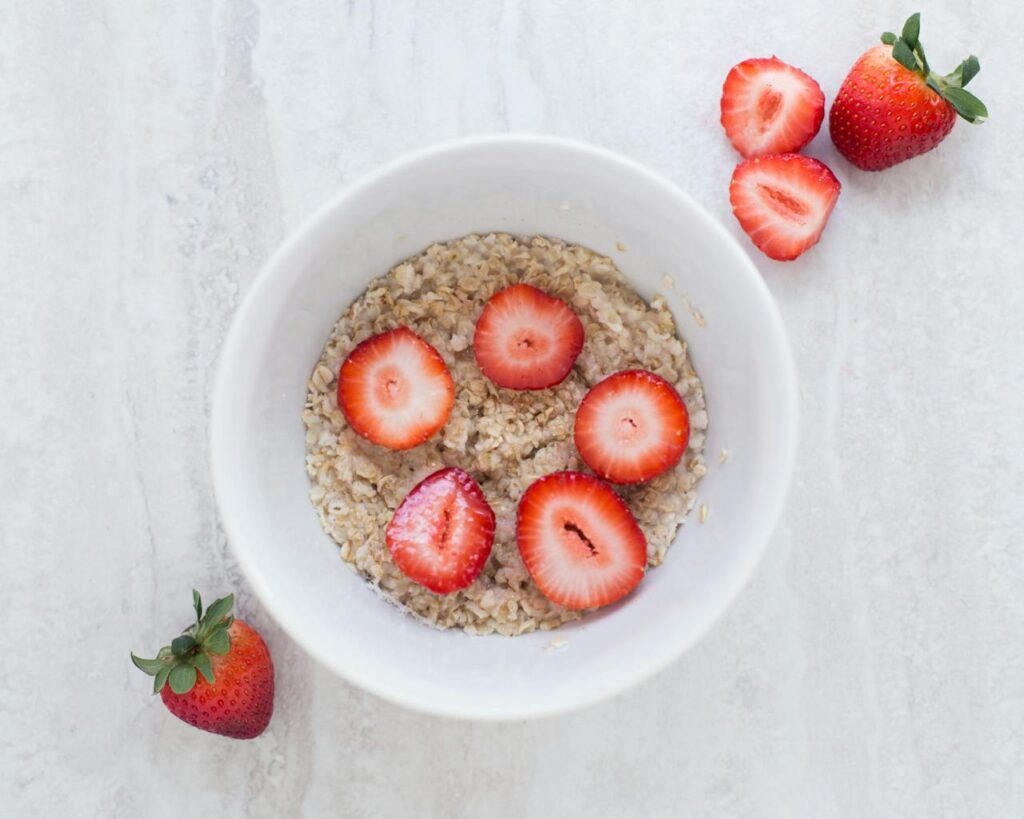
- Breakfast Boost: Top your morning oats or Greek yoghurt with a handful of mixed berries. The BBC Good Food guide suggests that combining them with protein helps sustain energy levels throughout the morning.
- Smoothie Blends: Both berries freeze exceptionally well. Keep a bag of frozen berries in your freezer for a quick, nutrient-dense smoothie base. Frozen berries often retain their nutrients just as well as fresh ones.
- Salad Toppers: Sliced strawberries add a lovely sweetness to spinach and goat cheese salads, while blueberries pair wonderfully with walnuts and feta.
- Food Safety: Always wash your berries thoroughly before eating. For guidance on food safety standards, you can refer to GOV.UK publications. If budget allows, you might consider organic options to minimise pesticide exposure, a topic frequently discussed by the Soil Association.
Frequently Asked Questions
Which berry is better for weight loss?
Strawberries are lower in calories and sugar per 100g than blueberries. This makes them a slightly more volume-friendly food for those strictly counting calories. You can eat a larger portion of strawberries for the same caloric cost.
Can I eat too many berries?
While healthy, berries contain fructose and fibre. Consuming them in extreme excess could lead to digestive discomfort. It is generally best to stick to the recommended portion sizes outlined by health authorities.
Are frozen berries as healthy as fresh?
Yes. In many cases, berries are frozen immediately after harvest, locking in their nutritional value. Fresh berries transported over long distances may lose some Vitamin C content over time.
Do berries interfere with medications?
Blueberries contain moderate amounts of Vitamin K. While generally safe, sudden changes in Vitamin K intake can affect blood thinners like Warfarin. Always consult the NHS guidelines on medicines or your GP if you are on anticoagulant medication.
Do they help prevent cancer?
No single food prevents cancer, but a diet rich in plant foods can lower risk. Cancer Research UK highlights that a balanced diet high in fibre, fruit, and vegetables helps maintain a healthy weight, which is the second biggest preventable cause of cancer.
The Bottom Line
When the battle of strawberries vs blueberries comes to an end, there is no single loser. Both berries are incredibly healthy, nutrient-dense foods that deserve a place in your diet.
If your primary goal is boosting Vitamin C intake or eating a higher volume of food for fewer calories, strawberries are the superior choice. They are excellent for immune support and are generally lower in sugar.
However, if you are focused on maximum antioxidant intake, fighting oxidative stress, and supporting brain health, blueberries hold a slight advantage due to their high anthocyanin content.
Ultimately, the healthiest diet is a varied one. The best approach is to enjoy both. By mixing strawberries and blueberries, you benefit from the full spectrum of vitamins, minerals, and phytonutrients that these powerful fruits have to offer.