In our fast-paced, always-on world, finding immediate relief from tension is a priority for many. While we often look to meditation apps, therapy, or medication for support, one of the most effective tools for immediate regulation might be sitting right on your desk. The humble stress ball—often dismissed as a corporate novelty item—possesses legitimate therapeutic value backed by physiological and psychological principles.
Whether you are managing a high-pressure job, living with generalized anxiety, or recovering from a hand injury, the act of squeezing a stress ball engages the body’s neuromuscular system in surprising ways. It is a form of sensory regulation that bridges the gap between physical tension and mental clarity.
In this article, we will explore the evidence-based benefits of stress balls, how they function as a tool for stress management, and the specific exercises that can improve both your grip strength and your emotional well-being.
The Physiology of Stress Relief: How It Works
To understand why a stress ball works, we must first look at how the body processes stress. When you encounter a stressor, your body enters a “fight or flight” mode, releasing cortisol and adrenaline. This causes your muscles to tighten—a primal preparation for physical action. However, in modern scenarios (like a stressful Zoom call), we rarely take physical action, leaving that tension trapped in the body.
Squeezing a stress ball utilizes a technique known in psychology as Progressive Muscle Relaxation (PMR). The core concept of PMR is that muscle relaxation is incompatible with anxiety. By voluntarily tensing the muscles in your hand and arm, and then releasing them, you signal to your brain that the “threat” has passed.
According to research highlighted by the Mayo Clinic, engaging in repetitive physical movements can help dampen the body’s stress response. The rhythmic action of squeezing acts as a release valve for nervous energy, helping to lower heart rate and blood pressure.
The Brain-Hand Connection
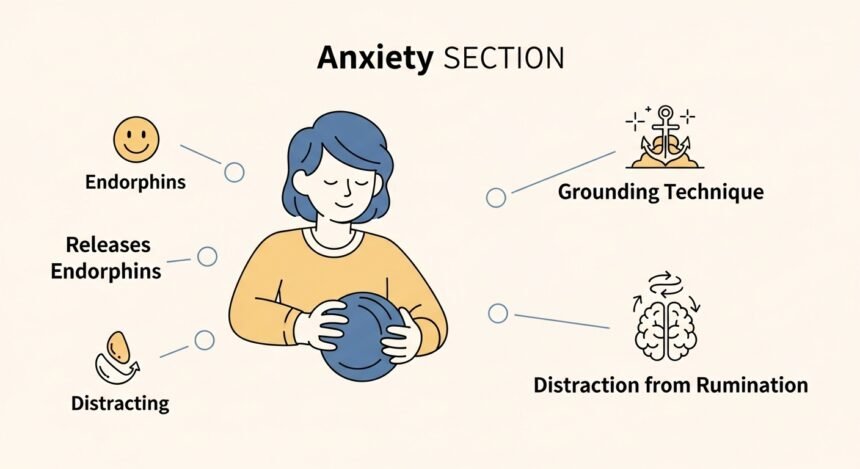
The hands have a massive representation in the brain’s motor cortex. Because so much of the brain is dedicated to controlling hand movement, engaging the hands can effectively “distract” the brain from emotional loops. This is why tactile tools are often recommended in progressive muscle relaxation protocols.
Mental Health Benefits: Anxiety and Emotional Regulation
Beyond the physical release of tension, stress balls serve as a powerful grounding tool for mental health. For individuals dealing with anxiety disorders, panic attacks, or high levels of emotional distress, the sensation of the ball provides a focal point.
Grounding and Mindfulness
Anxiety often pulls our focus to the future (“What if…?”) or the past. A stress ball forces the mind to focus on the immediate physical sensation—the texture of the ball, the resistance it offers, and the feeling of muscles contracting. This brings you back to the present moment, a core tenet of mindfulness meditation.
Key psychological benefits include:
- Nervous Energy Displacement: Instead of nail-biting, leg-shaking, or other anxious tics, squeezing provides a socially acceptable outlet for restlessness.
- Emotional Venting: The physical exertion of a hard squeeze allows for the safe expression of frustration or anger without aggression.
- Sensory Stimulation: For those who are sensory-seeking, the tactile feedback helps regulate the nervous system.
Research published by the American Psychological Association suggests that managing the physical symptoms of anxiety is often the first step toward managing the cognitive symptoms. By calming the hands, you help calm the mind.
Boosting Focus and Productivity
It may seem counterintuitive that doing two things at once (working and squeezing) would improve focus, but for many, it is essential. This phenomenon is often referred to as “fidgeting to focus.”
For individuals with Attention Deficit Hyperactivity Disorder (ADHD) or those who struggle with executive dysfunction, the brain often requires a certain level of stimulation to remain engaged. When a task is under-stimulating (like a long meeting), the brain seeks distraction. A stress ball provides just enough “secondary stimulation” to satisfy the brain’s need for activity, allowing the primary focus to remain on the task at hand.
A study cited by ScienceDaily indicates that fine motor movements can increase arousal in the brain just enough to prevent zoning out. This is why ADHD focus hacks frequently involve fidget toys.
Physical Health: Rehabilitation and Grip Strength
While the “stress” aspect is popular, the “ball” aspect is a legitimate piece of exercise equipment. Hand health is often overlooked until an issue arises, such as Repetitive Strain Injury (RSI) or arthritis.
Combating Arthritis and RSI
Regular use of a stress ball can improve flexibility and blood flow to the hands and fingers. For those suffering from arthritis, keeping the joints mobile is crucial for pain management. According to the Arthritis Foundation, simple hand exercises can help maintain range of motion and strengthen the muscles that support the joints.
Furthermore, grip strength is a significant biomarker for overall health. A study published in Harvard Health Publishing notes that grip strength is surprisingly predictive of cardiovascular health and longevity. Using a stress ball is a low-impact way to improve this vital metric.
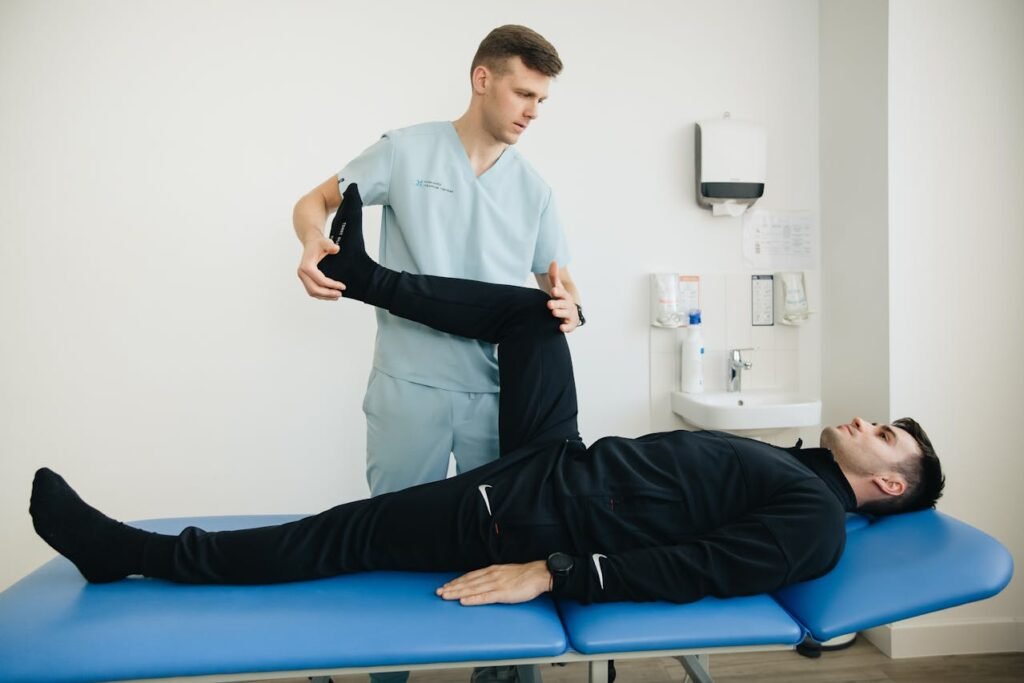
However, caution is required. If you are dealing with carpal tunnel syndrome, you should consult a physical therapist before starting a squeezing regimen, as overuse can sometimes aggravate inflamed tendons.
Effective Stress Ball Exercises
To get the most out of your stress ball, you should move beyond the standard squeeze. Incorporating a variety of movements ensures you are targeting different muscle groups in the hand and forearm. Try these hand therapy exercises:
- The Power Squeeze: Squeeze the ball with all fingers and your thumb as hard as you can. Hold for 5 seconds, then release completely to feel the tension drain away. Repeat 10 times.
- The Pinch: Hold the ball between your thumb and the tip of your index finger. Squeeze and hold. Repeat with each finger individually. This improves fine motor dexterity.
- The Roll: Place the ball on a table and roll it back and forth under your palm. This provides a massage effect for the fascia in the hand.
- The Claw: Place the ball on a table and grip it with just your fingertips (claw shape), lifting it up. Hold for 10 seconds.
Choosing the Right Tool for You
Not all stress balls are created equal. The market has expanded to include various resistances, materials, and sizes. Selecting the right one depends on your primary goal—mental relief or physical rehabilitation.
Resistance Levels
If you are recovering from an injury or have weak hands, start with a soft foam ball or a low-resistance gel ball. If your goal is building forearm muscle or venting intense anger, look for high-density rubber or isometric gel balls that offer significant pushback. You can explore various sensory toys for adults to find the texture that feels most soothing to you.
Material Matters
Some people find the texture of traditional foam drying or irritating. Gel-filled balls encased in fabric offer a different sensory experience that can be more grounding. Additionally, “theraputty” offers similar benefits but allows for more complex manipulation.
Limitations: When to Seek Professional Help
While stress balls are an excellent supplementary tool for mental hygiene, they are not a cure for chronic mental health conditions. If your stress is interfering with your daily life, sleep, or relationships, it is vital to look beyond self-soothing tools.
Chronic stress can lead to long-term health issues, including heart disease and depression. Organizations like the National Institute of Mental Health (NIMH) emphasize that persistent symptoms require professional intervention. If you find that you are squeezing a stress ball constantly just to barely manage your anxiety, it may be time to explore therapy options or counseling.
Furthermore, if you experience sharp pain (not just muscle fatigue) while using a stress ball, stop immediately. This could indicate an underlying injury requiring medical assessment.
The Bottom Line
The stress ball is a deceptive tool. It appears simple, but it taps into complex physiological mechanisms—from the “fight or flight” response to the intricate motor mapping of the human brain. By providing a physical outlet for emotional stress, improving anxiety relief, and enhancing hand strength, it earns its place on your desk.
Incorporating a stress ball into your daily routine is a low-risk, low-cost intervention with high potential returns for your well-being. Whether you use it to focus during a conference call, strengthen your grip for the gym, or ground yourself during a panic attack, the benefits are tangible.
Remember, holistic health is about building a toolkit of strategies. The stress ball is one tool, but it works best when combined with adequate sleep, nutrition, and professional support when needed.
For more information on managing mental well-being globally, resources are available through the World Health Organization.