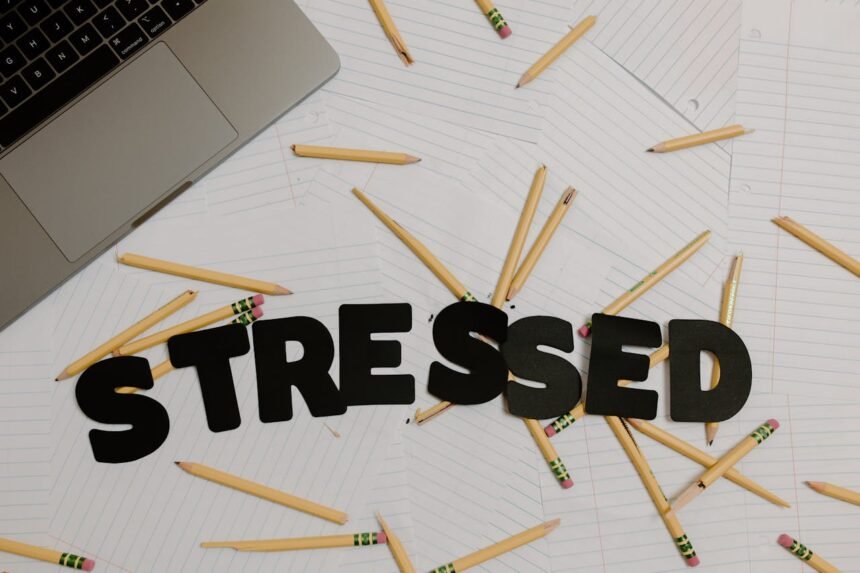
Have you ever finished a high-pressure presentation or finally submitted a difficult project, only to find your heart still racing and your mind unable to switch off? You’ve dealt with the external problem, yet your body feels like it is still in the middle of a crisis. This is because you haven’t closed the stress cycle.
In our fast-paced modern world, we are constantly bombarded by stressors—work deadlines, traffic jams, and social media notifications. While we are excellent at managing the “stressors,” we often forget to manage the physiological “stress” itself. This lead to a build-up of tension that can eventually manifest as burnout symptoms and emotional exhaustion.
In this guide, we will explore what the stress cycle is, why your body gets stuck in it, and how you can utilise proven strategies for chronic stress relief.
Stressor vs. Stress: What’s the Difference?
To understand how to complete the stress cycle, we must first distinguish between the two components. A “stressor” is the external trigger—the email from your boss, the looming debt, or a heated argument. “Stress,” however, is the neurological and physiological response that happens inside your body in response to that trigger.
When you encounter a threat, your sympathetic nervous system kicks into gear, initiating the fight or flight response. This floods your system with adrenaline and spikes your cortisol levels to help you survive. The problem? Even after the boss walks away or the debt is paid, the chemical soup remains in your body unless you actively signal to your brain that you are safe.
| Feature | The Stressor (External) | The Stress Response (Internal) |
|---|---|---|
| Definition | The external cause of pressure. | The body’s physiological reaction. |
| Examples | Deadlines, bills, traffic. | Increased heart rate, shallow breathing. |
| Resolution | Solving the problem (e.g., finishing the task). | Completing the biological stress cycle. |
| Risk if Ignored | Accumulated to-do lists. | Adrenal fatigue and chronic illness. |
Why We Get Stuck in the Cycle
In ancestral times, the stress cycle was simple. A lion chased you; you ran (physical exertion); you escaped and reached your tribe; you celebrated your survival. The physical act of running and the subsequent social connection signaled to your brain that the danger had passed. This allowed for parasympathetic activation, the “rest and digest” state.
Today, we can’t exactly run away from a digital spreadsheet. Because we don’t engage in a physical “release,” we stay in a state of high alert. This chronic state can disrupt your hormonal balance and lead to long-term health issues. Learning how to signal safety to your brain is one of the most vital mental wellness skills you can develop.
7 Science-Backed Ways for Completing the Stress Cycle
If you want to avoid burnout symptoms, you must give your body a physical signal that the threat is gone. Here are the most effective methods to achieve chronic stress relief:
1. Physical Movement
Physical movement is the most efficient way to complete the cycle. Whether it’s a brisk walk, a dance session in your kitchen, or a vigorous gym workout, moving your body tells your nervous system that you have successfully “run away” from the danger. Even ten minutes of activity can significantly lower cortisol levels. For more ideas, check out our exercise tips for busy schedules.
2. Deep Breathing Exercises
Controlled, deep breathing exercises are a direct hack into your nervous system. By lengthening your exhale, you engage in vagus nerve stimulation, which tells your brain to move from a “fight or flight” state into a state of calm. This is a foundational meditation guide practice that you can do anywhere, according to the NHS.
3. Positive Social Interaction
Casual, friendly interaction is a potent sign of safety. A brief chat with a neighbour or a joke with a colleague signals to your brain that the environment is secure. This is essential for maintaining emotional intelligence and resilience. Learn more about improving your emotional intelligence to better manage social stressors.
4. Laughter
Deep, belly laughter reduces the tension held in your muscles and triggers the release of endorphins. It’s not just about “feeling good”; it’s a biological reset button. This is why many self-care routine advocates suggest watching a sitcom after a hard day.
5. Affection
A warm hug (lasting at least 20 seconds) or spending time with a pet can boost oxytocin. This hormone counteracts the effects of stress and promotes parasympathetic activation. Research from the Mayo Clinic highlights that social support is a pillar of health.
6. A Good Cry
Have you ever felt a “weight lifted” after crying? Emotional tears contain different chemicals than reflexive tears. Crying allows you to process the physical energy of emotional exhaustion and move through the stress cycle to the end.
7. Creative Expression
Art, writing, or playing music allows you to externalise your internal state. Engaging in a mindfulness practice through creativity can help shift your focus and lower your heart rate. If you are struggling with focus, you might find our guide on brain health helpful.

The Long-term Impact of Chronic Stress
Ignoring the stress cycle doesn’t just make you grumpy; it has real physiological consequences. According to Nature, chronic stress is linked to inflammation and a weakened immune system. When your body is constantly primed for a “fight or flight” response, it diverts energy away from essential functions like digestion and repair.
Implementing a daily morning routine that includes some form of movement or mindfulness can prevent the accumulation of adrenal fatigue. Furthermore, focusing on sleep hygiene is crucial, as the Sleep Foundation notes that stress and sleep have a bidirectional relationship.
Actionable Mental Health Tips
- Prioritise “The Big Cry”: Don’t suppress your emotions; let them flow to signal the end of the stress cycle.
- Try Yoga: Incorporating specific yoga poses can help release physical tension stored in the hips and shoulders.
- Manage Your Diet: A healthy diet supports your body’s ability to regulate hormonal balance.
- Seek Support: If you feel overwhelmed, exploring therapy options can provide you with personalised tools for anxiety management.
Remember, your body needs to know it is safe. Don’t just tick the task off your list—make sure you’ve ticked the box for your nervous system too. Consistent stress relief is not a luxury; it is a biological necessity for a long and healthy life.
Frequently Asked Questions (FAQs)
What is the most effective way to complete the stress cycle quickly?
Physical activity is generally considered the fastest way to signal safety to the brain. Even 60 seconds of jumping jacks or a quick dance can shift your sympathetic nervous system back toward balance. Studies published by the American Psychological Association support movement as a primary tool for mental health.
Can you complete the stress cycle without exercise?
Yes. While physical movement is highly effective, other methods like deep breathing, 20-second hugs, creative expression, and genuine laughter also work to signal the brain that the “threat” has passed. You might also explore natural remedies that support relaxation.
How do I know if I’m stuck in a stress cycle?
Common signs include feeling “wired but tired,” persistent muscle tension, irritability, and a racing mind even when there is no immediate problem. Chronic adrenal fatigue and digestive issues can also indicate that your body hasn’t returned to its baseline state. For more detailed insights, read our article on anxiety management.
For more information on managing your well-being, visit authoritative sources such as the World Health Organisation or Mind UK. You can also learn how to lower cortisol control naturally through lifestyle changes. Chronic stress is also a major factor in heart health, as noted by the American Heart Association. Understanding the science behind this is documented in journals like ScienceDirect and PubMed. If you’re struggling at work, Harvard Business Review offers excellent workplace-specific advice. For insurance and health coverage related to stress, Bupa provides great resources, while the American Institute of Stress tracks the latest trends. Finally, for those in the UK, the Mental Health Foundation is an invaluable resource.