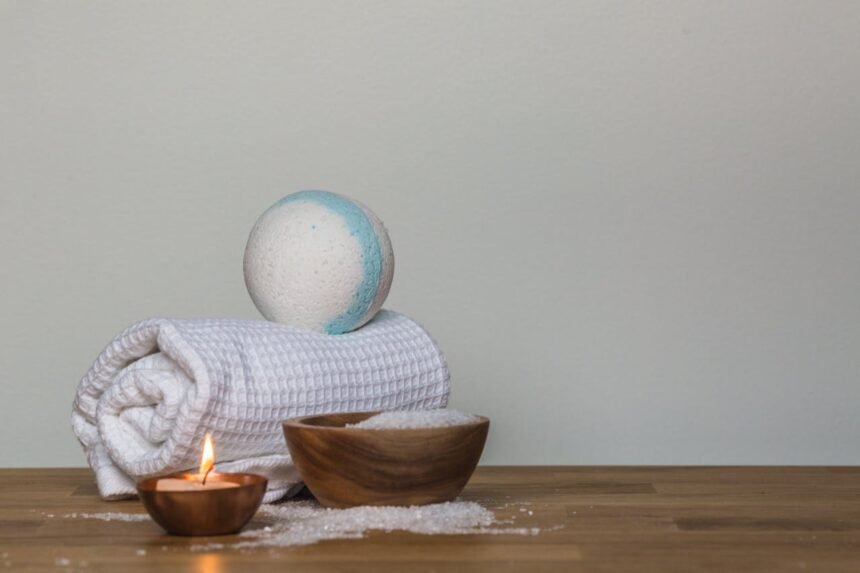
In our fast-paced, hyper-connected world, finding a moment of genuine tranquility can feel like a luxury. Chronic stress has become a pervasive issue, affecting sleep, digestion, and overall mental well-being. While there is no substitute for professional mental health support or lifestyle changes, many people are turning to accessible self-care tools to manage daily anxiety. Among the most popular and effective of these tools are stress relief candles.
But is the calming effect of a candle purely a placebo, or is there physiological science at play? The answer lies in the complex relationship between our sense of smell and the brain’s emotional centers. When combined with the practice of mindfulness, the right candle can serve as a powerful anchor for relaxation.
This article explores the evidence-based benefits of aromatherapy candles, the best scents for anxiety reduction, and how to incorporate them safely into your stress management routine.
The Physiology of Scent: How Inhalation Changes Mood
To understand why a candle might help you unwind, we must look at the olfactory system. Unlike our other senses, which are processed through the thalamus before reaching the cortex, the sense of smell has a direct line to the brain’s limbic system. This is the area responsible for memory and emotion.
When you inhale the molecules released by a scented candle, they stimulate olfactory receptors in the nose. These receptors send messages directly to the olfactory bulb, which is connected to the amygdala (responsible for processing emotion) and the hippocampus (responsible for memory and learning). This creates a rapid physiological response.
According to research published in PubMed, specific odors can significantly influence spontaneous brain activities and cognitive functions. This is why the scent of lavender might immediately make you feel sleepy, or why citrus might make you feel alert. It is a biological trigger, not just a pleasant experience.
Furthermore, the interaction between the olfactory system and the nervous system can help shift the body from a sympathetic state (fight or flight) to a parasympathetic state (rest and digest). This shift is essential for lowering cortisol levels and inducing relaxation.
Aromatherapy 101: Essential Oils vs. Synthetic Fragrance
Not all candles are created equal. To reap the therapeutic benefits of a stress relief candle, it is crucial to understand the difference between aromatherapy and simple home fragrance. Aromatherapy relies on the use of essential oils—concentrated plant extracts that retain the natural smell and flavor, or “essence,” of their source.
The Mayo Clinic defines aromatherapy as the use of these oils to improve the health of the body, mind, and spirit. While synthetic fragrances can smell pleasant and trigger nostalgic memories, they lack the specific chemical compounds (such as linalool in lavender) that have been studied for their pharmacological effects on anxiety.
When shopping for candles intended for aromatherapy benefits, look for labels that specify “100% essential oils” rather than “parfum” or “fragrance,” which often denote synthetic mixtures.
Top 5 Science-Backed Scents for Stress Relief
While scent preference is subjective, clinical studies have identified several key essential oils that demonstrate consistent anxiolytic (anxiety-reducing) effects.
1. Lavender (Lavandula angustifolia)
Lavender is arguably the most researched scent in aromatherapy. A study cited by the National Center for Complementary and Integrative Health (NCCIH) suggests that lavender may be beneficial for anxiety and sleep. It is believed to interact with the neurotransmitter GABA, which helps quiet the brain and nervous system.
2. Bergamot (Citrus bergamia)
Unlike other citrus scents that are typically energizing, bergamot is unique. It has been shown to reduce corticosterone levels (a stress hormone). It offers a balancing effect, uplifting the mood while simultaneously calming tension. You can read more about citrus profiles in our comprehensive essential oils guide.
3. Chamomile (Matricaria chamomilla)
Often associated with tea, the scent of chamomile is equally potent. Research indicates that long-term use of chamomile extract can significantly reduce moderate-to-severe symptoms of generalized anxiety disorder (GAD). It is a staple for those seeking natural sleep aids.
4. Ylang Ylang (Cananga odorata)
This sweet, floral scent is known for its ability to lower blood pressure and heart rate. A study published in the International Journal of Nursing Practice found that ylang-ylang inhalation significantly decreased self-esteem anxiety and blood pressure in participants.
5. Clary Sage (Salvia sclarea)
Clary sage is often used to regulate cortisol levels. It acts as an antidepressant and is particularly noted for its ability to alleviate stress associated with hormonal imbalances.
The Visual Component: The “Flicker” Effect
The benefits of stress relief candles extend beyond the nose. The visual element of a flickering flame plays a significant role in relaxation. The low light and the gentle, hypnotic movement of the flame can serve as a focal point for meditation.
This technique is rooted in the yogic practice of Trataka, or candle gazing. By focusing the eyes on a single point (the flame), you reduce visual stimuli and allow the brain to disconnect from digital distractions. This form of focused meditation can improve concentration and promote a state of mindfulness.
How to Practice Candle Gazing:
- Set the environment: Dim the lights in the room so the candle is the primary light source.
- Positioning: Place the candle at eye level, approximately 2 feet away from you.
- Focus: Gaze steadily at the flame without blinking for as long as comfortable.
- Close and visualize: Close your eyes and try to keep the image of the flame in your “mind’s eye.”
- Repeat: Continue for 5 to 10 minutes to reset your mental state.
According to ScienceDaily, mindfulness practices like this can physically alter the brain structures associated with attention and sensory processing.
Selecting a Healthy Candle: Wax and Wicks Matter
If you are burning a candle for health and wellness, it is counterproductive to use products that release toxins. The quality of the wax and the wick determines the air quality in your home.
Paraffin vs. Natural Waxes
Most mass-market candles are made from paraffin, a petroleum byproduct. When burned, paraffin can release volatile organic compounds (VOCs) such as toluene and benzene. While the Environmental Protection Agency (EPA) notes that candles are not the sole cause of poor indoor air quality, frequent burning of paraffin in poorly ventilated spaces can be an irritant.
For a cleaner burn, opt for:
- Soy Wax: Derived from soybeans, it burns slower and cleaner than paraffin.
- Beeswax: Natural and often hypoallergenic; it emits negative ions that may help purify the air.
- Coconut Wax: A sustainable option that holds scent exceptionally well.
To maintain a healthy home environment, always ensure your wicks are lead-free. Look for cotton or wood wicks. Wood wicks have the added benefit of creating a soft crackling sound, adding an auditory layer to the sensory relaxation experience.
Creating a Stress-Relief Ritual
A candle alone is not a cure for chronic stress, but it is an effective “cue.” By consistently lighting a candle during times of relaxation, you train your brain to associate that specific scent with downtime. This is known as conditioning.
Steps to build your ritual:
- Disconnect: Turn off your phone or leave it in another room.
- Ventilation: Ensure the room is well-ventilated to avoid soot accumulation.
- Stack Habits: Combine the candle with another self-care activity, such as a warm bath, reading a book, or gentle stretching.
- Intentionality: As you light the wick, take a deep breath and set an intention to release the day’s tension.
Research from Harvard Health emphasizes that eliciting the “relaxation response” requires a break from the train of everyday thought. The ritual of lighting a candle provides that necessary break.
Safety and Sensitivities
While aromatherapy is generally safe, there are important considerations. Essential oils are potent. Some individuals may experience headaches or respiratory irritation from strong scents. This is particularly true for those with asthma or migraine sensitivities.
If you have pets, proceed with caution. Some essential oils that are safe for humans (like tea tree, peppermint, or cinnamon) can be toxic to dogs and cats if inhaled in high concentrations or ingested. Always consult the ASPCA poison control lists before introducing new diffusers or candles into a home with animals.
Furthermore, never leave a burning candle unattended. According to the National Candle Association, the majority of candle fires are caused by leaving them burning while asleep or out of the room.
When to Seek Professional Help
Stress relief candles are a supportive tool for wellness, not a medical treatment for mental health disorders. If you find that your stress is unmanageable, interferes with your daily life, or causes physical symptoms like chest pain or panic attacks, it is vital to seek professional help.
Resources like the National Institute of Mental Health (NIMH) can help connect you with healthcare providers. Do not rely solely on aromatherapy to manage conditions like clinical depression or severe anxiety disorders.
The Bottom Line
Stress relief candles offer a scientifically supported method for promoting relaxation through the mechanisms of aromatherapy and mindfulness. By engaging the olfactory system with calming scents like lavender and bergamot, and providing a visual focus for meditation, they can help lower cortisol levels and signal safety to the brain.
However, quality matters. Choosing candles made from natural waxes (soy, beeswax) and pure essential oils ensures you are supporting your health rather than polluting your indoor air. When used as part of a broader holistic health approach, a simple candle can be a powerful ally in the fight against modern burnout.