Summer often signals a natural shift in our cravings. As the days grow longer and temperatures rise across the UK, the desire for heavy, comforting stews dissipates, replaced by a yearning for something lighter, crisper, and more vibrant. However, many of us fall into a common trap: we view salads as boring, unsubstantial side dishes that leave us feeling hungry an hour later.
This is where the Paleo framework shines. By focusing on nutrient-dense, whole foods, you can transform a simple bowl of leaves into a satiating meal that fuels your summer adventures. Whether you are hosting a barbecue or prepping lunches for the office, understanding how to construct a proper Paleo salad is essential.
Following a Paleo approach means prioritising quality proteins, healthy fats, and an abundance of seasonal vegetables while eliminating grains, dairy, and processed sugars. This guide will walk you through building the ultimate summer salad that is as delicious as it is nutritious.
What Makes a Salad Paleo?
A Paleo salad is far more than just lettuce and cucumber. It is a meal constructed around the dietary principles of our hunter-gatherer ancestors, adapted for the modern world. The goal is to maximise nutrient density while minimising foods that may cause inflammation or digestive distress.
The Core Principles
To ensure your salad aligns with the Paleo philosophy, you need to strip away modern agricultural additions. This means saying goodbye to croutons (grains), feta cheese (dairy), and chickpeas (legumes). Instead, you fill that void with an increased volume of fibrous vegetables and high-quality meats or fish.
Why It Works for Summer
Summer is arguably the easiest time to follow this lifestyle. The UK harvest season provides a wealth of ingredients that require little preparation to taste fantastic. Furthermore, the Paleo diet emphasises hydration through water-rich vegetables, which is crucial during warmer months. According to Healthline, the Paleo diet focuses on whole foods that help stabilise blood sugar, keeping your energy levels steady throughout hot afternoons.
By focusing on whole ingredients, you also naturally avoid preservatives and additives found in many pre-packaged summer foods. This approach aligns with broader health advice; the NHS consistently recommends we eat a wide variety of fruit and vegetables to lower the risk of serious health problems.
Building the Perfect Summer Paleo Bowl
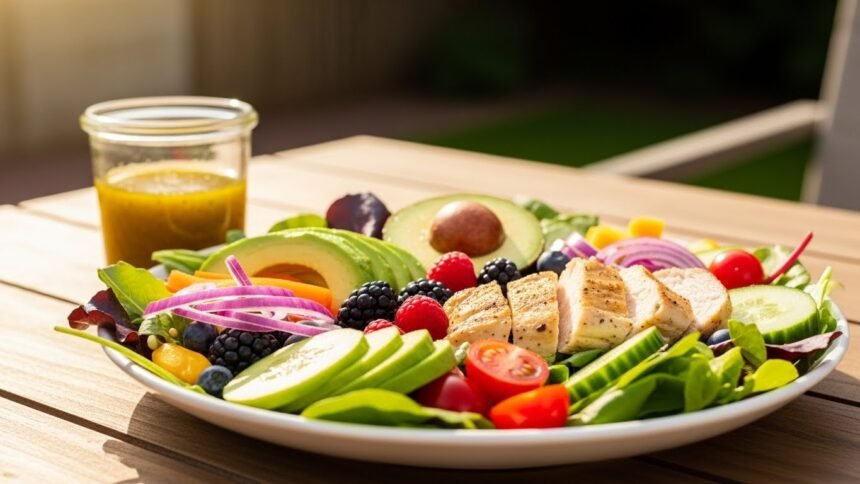
Creating a satisfying salad requires a balance of textures and flavours. A good Paleo salad should have crunch, creaminess, acidity, and umami. Here is a step-by-step breakdown of how to construct your bowl using the best of British summer produce.
1. The Foundation: Seasonal Greens
Start with a robust base. While iceberg lettuce provides crunch, it offers little nutritional value compared to darker greens. For a truly Paleo approach, look for nutrient-dense options.
Best Summer Options:
- Watercress: Peppery and rich in Vitamin K.
- Rocket (Arugula): Adds a spicy kick and aids digestion.
- Baby Spinach: Mild and easily paired with fruit.
- Romaine: Excellent crunch for “boat” style salads.
Eating seasonally not only improves flavour but also supports local agriculture. You can check the BBC Good Food seasonality calendar to see exactly what greens are at their peak in the UK right now.
2. The Star Ingredients: Fresh Vegetables and Fruits
Once your bed of greens is ready, it is time to add colour. The Paleo diet encourages eating the rainbow to ensure a broad intake of phytonutrients. Summer offers unique opportunities to mix sweet and savoury elements.
Top Picks:
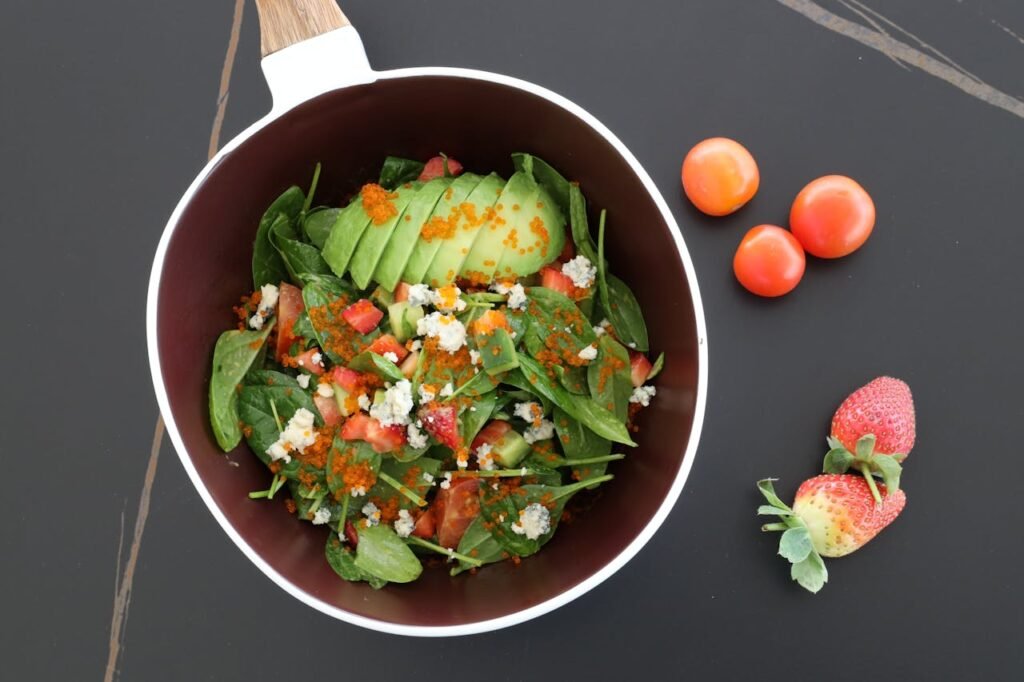
- Strawberries: Sliced strawberries pair beautifully with spinach and balsamic vinegar.
- Radishes: These add a satisfying crunch and a peppery bite without the carbohydrates of potatoes.
- Heritage Tomatoes: Full of lycopene and flavour, these need little more than salt.
- Courgettes: Use a spiraliser to create “zoodles” for a pasta-salad texture.
If your budget allows, opting for organic produce can reduce exposure to pesticides, especially for the “Dirty Dozen” list of fruits and vegetables. The Soil Association provides excellent resources on understanding organic standards in the UK.
3. Protein: The Satiety Factor
A salad without protein is just a garnish. To make it a meal, you must include a substantial serving of high-quality protein. This is what signals to your brain that you are full.
Paleo Proteins:
- Grilled Chicken or Turkey: Lean and versatile.
- Hard-Boiled Eggs: A classic addition; look for free-range or organic.
- Tinned Fish: Mackerel, sardines, or tuna offer essential Omega-3 fatty acids.
- Steak Strips: Leftover BBQ steak is perfect for cold salads.
When selecting meats, try to avoid highly processed options like standard ham or salami, which often contain non-Paleo additives. Cancer Research UK has highlighted the importance of limiting processed meat intake for long-term health.
4. Healthy Fats
Fat is not the enemy on a Paleo diet; it is a primary energy source. Adding fat also helps your body absorb fat-soluble vitamins (A, D, E, and K) from your leafy greens. Heart UK confirms that swapping saturated fats for unsaturated fats can help lower cholesterol.
Add These:
- Avocado: Creamy texture that mimics cheese.
- Walnuts or Pecans: For an earthy crunch.
- Pumpkin Seeds: High in zinc and magnesium.
- Olives: A burst of salty brine.
5. The Dressing Dilemma
This is where most people fail. Most store-bought salad creams and vinaigrettes are loaded with sugar, soybean oil, and stabilisers. Diabetes UK warns that many savoury sauces contain hidden sugars that can spike glucose levels unexpectedly.
Make Your Own:
- Base: Extra Virgin Olive Oil or Avocado Oil.
- Acid: Apple Cider Vinegar, Lemon Juice, or Lime Juice.
- Flavour: Fresh herbs, mustard powder, garlic, salt, and pepper.
According to the British Nutrition Foundation, preparing food from scratch allows you to control salt and sugar levels, making homemade dressing a non-negotiable for strict Paleo adherence.
Comparison: Commercial vs. Paleo Homemade Dressing
The table below illustrates why making your own dressing is vital for maintaining a Paleo diet during the summer.
| Feature | Typical Store-Bought Honey Mustard | Homemade Paleo Vinaigrette |
|---|---|---|
| Primary Oil | Rapeseed or Soybean Oil (Inflammatory) | Extra Virgin Olive Oil (Anti-inflammatory) |
| Sweetener | High Fructose Corn Syrup / White Sugar | None or small amount of raw honey |
| Thickeners | Modified Corn Starch / Xanthan Gum | Natural emulsion (Mustard/Egg yolk) |
| Additives | Preservatives (e.g., Sodium Benzoate) | None |
| Paleo Compliant? | No | Yes |
5 Fresh Paleo Salad Ideas
Stuck for inspiration? Try these combinations to keep your summer menu exciting.
- The Berry & Chicken Spinach Bowl: Baby spinach, sliced strawberries, grilled chicken breast, pecans, and a poppy seed (honey-sweetened) dressing.
- Paleo Nicoise: Mixed greens, tuna steak, soft-boiled eggs, olives, cherry tomatoes, and steamed green beans (if you include fresh pods) or asparagus tips, dressed with lemon and olive oil.
- BLT Bowl: Chopped romaine, crispy bacon (nitrate-free), cherry tomatoes, and avocado chunks with a creamy mayo-based dressing (using avocado oil mayo).
- Summer Squash Ribbon Salad: Raw courgette ribbons, sun-dried tomatoes, pine nuts, basil, and grilled prawns.
- Steak & Peach Salad: Rocket, grilled steak slices, grilled peach wedges, and hazelnuts with a balsamic glaze.
Frequently Asked Questions
Can I have potatoes in my summer salad?
Technically, white potatoes are a grey area. Many modern Paleo interpretations allow them as whole foods, but sweet potatoes are generally preferred due to their lower glycemic impact. Research in PubMed suggests focusing on low-glycemic foods for satiety and blood sugar management.
Is vinegar Paleo?
Yes, most vinegars like apple cider, balsamic, and wine vinegar are acceptable. Avoid malt vinegar as it is derived from barley (gluten).
What if I need a crouton alternative?
Texture is important. Try toasted almonds, pumpkin seeds, or even crispy bacon bits. Some people bake kale chips to crumble over the top for a salty crunch.
The Bottom Line
Adopting a Paleo approach to your summer salads does not mean sacrificing flavour or satisfaction. By focusing on fresh, seasonal produce available in the UK, high-quality proteins, and healthy fats, you can create meals that leave you feeling energised rather than sluggish.
The key is preparation. Stock your pantry with high-quality oils and nuts, and visit your local greengrocer for the freshest ingredients. Small changes in how you dress your salad and the proteins you choose can have a profound impact on your health.
For more guidance on maintaining a balanced diet, you can refer to the GOV.UK Eatwell Guide resources, which underscore the importance of nutrient density in our daily lives.