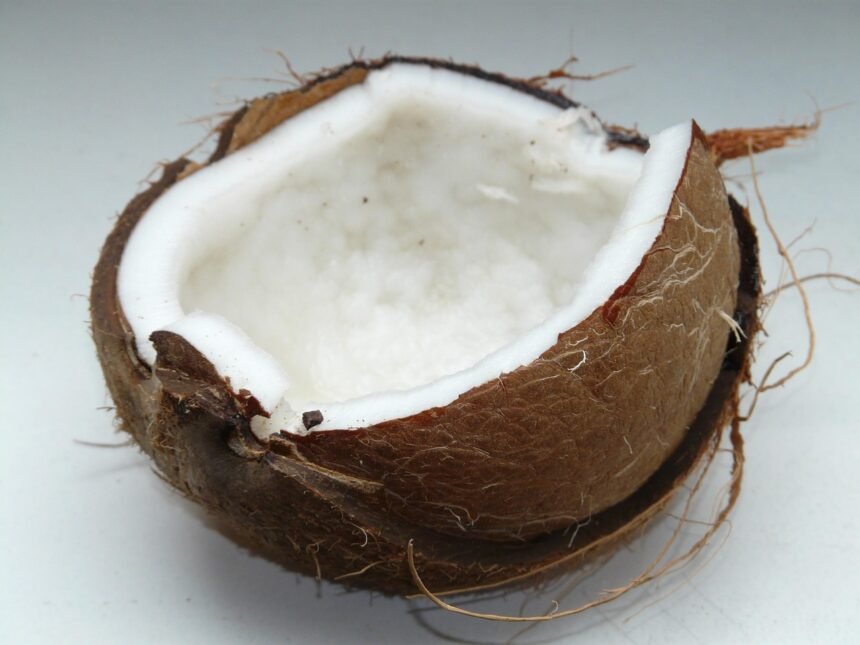
In the pursuit of a greener lifestyle, small changes often yield the most significant results. While swapping plastic straws for metal ones was a global phenomenon, a new shift is occurring in our cupboards. The humble coconut shell bowl is rapidly becoming a symbol of the eco-conscious kitchen, blending sustainability with rustic aesthetic appeal.
For decades, the outer shells of coconuts were discarded as agricultural waste or burned, contributing to CO2 emissions. Today, artisans are reclaiming these robust shells, sanding them down, and polishing them with natural oils to create eco-friendly kitchenware. This transition is not merely a trend; it is a return to nature and a step away from the synthetic materials that dominate modern dining.
Whether you are looking to reduce your carbon footprint or simply want to enjoy your morning oats in something beautiful, understanding the benefits of coconut bowls is the first step toward a more sustainable home.
The Environmental Impact of Conventional Dinnerware
To understand the value of zero waste dining, one must first look at the problem it solves. Conventional ceramic and plastic bowls have a massive environmental toll. Plastic, in particular, has become a global crisis. According to the National Ocean Service, millions of tonnes of plastic enter our oceans annually, disrupting ecosystems and harming marine life.
Plastic dinnerware often contains microplastics that can leach into food, especially when heated. By opting for upcycled coconut shells, you are actively participating in the circular economy. These bowls are made from materials that would otherwise be considered waste, requiring no heavy machinery or harmful chemicals to produce. It is a stark contrast to the energy-intensive production of ceramics or the petrochemical reliance of plastics.
Interestingly, the utilisation of the coconut extends far beyond the kitchen. Just as we reclaim shells for dining, other parts of the coconut are repurposed in surprising ways. For instance, Does Coconut Charcoal Teeth Whitening Actually Work? is a common question, highlighting how the carbonised shell is used in personal care, proving that this fruit offers solutions from waste management to hygiene.
Health and Safety: A Non-Toxic Choice
One of the primary concerns for health-conscious individuals is the chemical composition of their kitchenware. Many plastic bowls contain Bisphenol A (BPA) or phthalates. The National Institute of Environmental Health Sciences notes that these endocrine disruptors can interfere with the body’s hormonal systems.
A coconut shell bowl is inherently non-toxic dinnerware. It is 100% natural, biodegradable, and free from synthetic lacquers. When you eat from a coconut bowl, you are eating from nature itself. This makes them particularly safe for children, who are more susceptible to chemical leaching.
However, maintaining this natural safety requires proper care. We often look to coconut products for safety in other areas of our lives. You might have researched Is Coconut Oil Lube Safe? A Natural Guide to Personal Lubricants for intimate health; similarly, food-grade coconut oil is the safest, most effective way to hydrate and seal your wooden bowls, ensuring they remain lustrous and crack-free without synthetic varnishes.
The Aesthetic Appeal: Making Food Look Good
There is a psychological component to satiety and satisfaction. Smoothie bowl aesthetics have taken social media by storm, and for good reason. Food presented beautifully often tastes better. The rich, dark wood grain of a coconut bowl provides a stunning contrast to vibrant fruits and vegetables.
Using handcrafted artisan bowls turns a simple meal into an experience. Whether you are serving a warm porridge or a cold dessert, the tactile experience of holding a natural shell is grounding.
For a perfect breakfast combination, consider making your own probiotic-rich base. A Guide to Making Probiotic-Rich Coconut Milk Kefir at Home can provide you with a thick, creamy starter that looks stunning when served in a polished coconut shell, perhaps topped with fresh berries and seeds.
Durability and Longevity
Do not let the lightweight nature of these bowls fool you. Coconut shells are evolved to protect the seed inside from falling heavily from trees and surviving ocean drifts. This natural toughness translates well to the kitchen. They are one of the most durable plastic-free alternatives available.
Just as gardeners value The Strength and Durability of Coconut Fiber Rope in Gardening, home cooks can rely on the structural integrity of the shell. With proper care, a coconut bowl can last for years. They do not shatter like glass or chip easily like low-quality ceramics.
However, they are organic material. Extreme temperatures are their enemy. They should not be used in microwaves, ovens, or dishwashers. The extreme heat can cause the natural fibres to expand and crack. Hand washing with lukewarm water is the gold standard for maintenance of wooden utensils and coconut bowls alike.
Practical Uses in the Kitchen
Biodegradable serving bowls are incredibly versatile, but they excel with specific types of food. They are ideal for:
- Smoothie bowls: The insulation of the wood keeps cold foods frozen for longer.
- Salads: The wide rim allows for easy tossing.
- Buddha bowls: Perfect for grain and veg combinations.
If you are following a specific diet, these bowls are helpful for portion control. The volume of a standard coconut bowl is roughly 500ml, which the Mayo Clinic suggests is a helpful metric for managing serving sizes to avoid overeating.
For those on a ketogenic diet, these bowls are the perfect vessel for low-carb treats. You might be wondering, Is Coconut Sugar Keto Friendly? Everything You Need to Know. Once you have established your sweetener choices, serving your keto desserts in a natural bowl enhances the earth-to-table vibe that many whole-food diets advocate.
Savoury Applications
While often associated with breakfast, these bowls handle savoury dishes beautifully. If you are preparing a stir-fry or a poke bowl, you might need alternatives to soy sauce to keep things healthy. After Finding the Best Coconut Aminos Substitute for Your Cooking, serve your creation in a coconut bowl to complete the tropical, island-inspired dining experience.
However, be mindful of extremely hot soups. While the bowl can handle warmth, boiling liquids may damage the finish over time. Additionally, prolonged exposure to highly acidic foods can dull the polish. We know from Exploring the Health and Digestive Coconut Vinegar Benefits that coconut-based acids are potent; likewise, strong vinegars should be rinsed from your bowl promptly after eating to preserve the wood’s integrity.
Connecting with Nature: Beyond the Kitchen
Incorporating sustainable home decor helps bridge the gap between our indoor lives and the natural world. A stack of coconut bowls on an open shelf adds texture and warmth to a kitchen’s design. This aligns with the principles of biophilic design—bringing the outdoors in to reduce stress.
For those who have a green thumb, the connection to the coconut palm is even deeper. You might already be interested in How to Grow and Care for Your Own Coconut Bonsai Tree. Understanding the source of your kitchenware fosters a greater appreciation for the object itself. It transforms a simple bowl from a commodity into a story of nature’s resilience.
Furthermore, the byproduct of processing coconuts—the husk—is invaluable for plant lovers. The Benefits of Using Coconut Husk Chips for Orchid Potting are well documented, proving that every part of this plant, from the shell we eat from to the husk we plant in, supports a sustainable ecosystem.
How to Care for Your Coconut Bowl
To ensure your compostable tableware lasts a lifetime, follow these simple guidelines:
- Wash by Hand: Use warm soapy water. Do not soak for long periods.
- Dry Immediately: Air drying is fine, but towel drying prevents water spots.
- Polish Regularly: Every 10-15 uses, rub a teaspoon of coconut oil into the bowl. This acts as a natural coconut polish, restoring its shine and moisture resistance.
- Avoid Extremes: No microwave, no freezer, no dishwasher.
According to the Food Standards Agency, keeping food contact materials clean and in good repair is essential for hygiene. Because coconut shells are naturally antimicrobial to a degree, they are easier to keep fresh than porous softwoods, provided they are oiled regularly.
The Verdict on Sustainability
Are coconut bowls truly sustainable? The answer is a resounding yes. They are a byproduct of the massive coconut oil and water industry. By purchasing them, you are preventing waste from being burned.
When the bowl eventually reaches the end of its life—after years of use—it is fully biodegradable. Unlike melamine or plastic, it returns to the earth. This is the essence of reusable organic bowls. Organisations like the WWF emphasise that moving away from single-use culture is vital for planetary health. Coconut bowls are a durable, long-term alternative to the disposable mindset.
Furthermore, sourcing plays a role. Most bowls are crafted by artisans in Vietnam or Indonesia, providing fair trade employment in rural communities. This supports the United Nations Sustainable Development Goals, specifically regarding responsible consumption and production.
Hydration and Usage Tips
Finally, think about what goes into the bowl. For a post-workout recovery meal, you might be mixing various supplements. The Ultimate Guide to Using Coconut Water Powder for Hydration offers great insights into making electrolyte-rich bases for smoothie bowls without the weight of shipping liquid water.
It is this combination of smart ingredients and vegan kitchen essentials that defines the modern, sustainable kitchen. It is not just about the food; it is about the vessel and the values it represents.
The Bottom Line
Embracing food safety of coconut bowls and their environmental benefits is a simple switch with a profound impact. They are durable, beautiful, and kind to the planet.
By choosing upcycled coconut shells over plastic, you reduce waste, avoid harmful chemicals, and support artisan communities. Whether you are serving a salad or a smoothie, these bowls serve as a daily reminder of your commitment to a healthier, more sustainable world.
If you are ready to make the switch, ensure you verify the source to guarantee they are ethically crafted. With proper care, a coconut shell bowl is not just a utensil—it is a lifelong companion in your culinary journey toward sustainable living.