
When we think of vision-boosting vegetables, carrots usually take the spotlight. We were all told as children to eat our carrots to see in the dark. However, there is another vibrant orange contender in the produce aisle that deserves equal, if not greater, attention: the sweet potato.
Sweet potatoes are more than just a staple of comfort food; they are nutritional powerhouses packed with essential vitamins and minerals. Specifically, sweet potato eye health benefits are profound, largely due to their incredibly high concentration of beta-carotene. This antioxidant is not only responsible for the vegetable’s distinctive hue but is also vital for maintaining optimal vision and preventing degenerative eye conditions.
In this article, we will explore the science behind sweet potatoes and vision, investigating how their nutrient profile supports ocular health, protects against age-related decline, and how you can best prepare them to maximise nutrient absorption.
The Nutritional Profile: More Than Just Carbs
While sweet potatoes are often praised for being a complex carbohydrate with a lower glycaemic impact than white potatoes, their micronutrient profile is where they truly shine regarding eye health. A single medium-sized baked sweet potato contains over 400% of your daily recommended intake of Vitamin A, derived primarily from beta-carotene.
However, it is not just about Vitamin A. Vision is a complex process requiring a synergy of nutrients to maintain the health of the retina, the lens, and the intricate blood vessels surrounding the eye. Sweet potatoes provide a cocktail of these essential compounds:
- Beta-Carotene: A provitamin carotenoid that the body converts into Vitamin A (retinol).
- Vitamin C: A powerful antioxidant that protects the eyes from oxidative damage.
- Vitamin E: Often works in conjunction with Vitamin C to protect cells from unstable molecules.
- Anthocyanins: Found specifically in purple sweet potatoes, these flavonoids have potent anti-inflammatory properties.
Understanding how these nutrients function biologically helps us appreciate why adding this root vegetable to your weekly rotation is a smart medical strategy.
Understanding Beta-Carotene and Vitamin A
The primary link between sweet potato eye health and your vision lies in the conversion of beta-carotene. Unlike the preformed Vitamin A found in animal products (retinol), the Vitamin A in sweet potatoes comes in the form of carotenoids. Your body cleverly converts these carotenoids into retinol based on its current needs, which prevents the risk of toxicity often associated with Vitamin A supplements.
The Role of Rhodopsin
Once converted, Vitamin A is utilised by the eye to form rhodopsin. This is a light-sensitive protein pigment found in the rod cells of the retina. Rod cells are essential for vision in low-light conditions. If you have ever struggled to see when walking into a dark room or found night driving difficult, it could be a sign of insufficient rhodopsin regeneration.
According to the NHS, Vitamin A deficiency is the leading cause of preventable blindness in children worldwide, often manifesting first as night blindness. Regular consumption of beta-carotene-rich foods ensures your rod cells have the fuel they need to function correctly.
Dry Eye Syndrome
Beyond night vision, Vitamin A plays a crucial role in maintaining the structural integrity of the cornea—the clear front surface of the eye. It is also essential for the production of the mucous layer of the tear film. Without adequate Vitamin A, the eyes cannot produce enough lubricating moisture, leading to Xerophthalmia, a condition characterised by severe dry eyes. Chronic dryness can lead to corneal scarring and, eventually, vision loss.
Combating Age-Related Eye Conditions
As we age, our eyes become susceptible to oxidative stress. This is an imbalance between free radicals (unstable atoms that damage cells) and antioxidants in your body. Two of the most common age-related threats are Cataracts and Age-Related Macular Degeneration (AMD).
Age-Related Macular Degeneration (AMD)
AMD affects the macula, the part of the eye responsible for sharp, central vision. It is a leading cause of vision loss in people over the age of 50. Research suggests that a diet rich in carotenoids can slow the progression of this disease.
The landmark Age-Related Eye Disease Studies (AREDS and AREDS2), conducted by the National Eye Institute, found that a specific combination of vitamins and minerals—including beta-carotene, Vitamin C, and Vitamin E—could significantly reduce the risk of advanced AMD. Sweet potatoes naturally contain three of the key components identified in these studies.
Cataracts and Oxidative Stress
Cataracts occur when the lens of the eye becomes cloudy, leading to blurred vision. Oxidative stress is a primary driver of cataract formation. The high Vitamin C content in sweet potatoes serves as a scavenger for free radicals. According to the American Academy of Ophthalmology, antioxidant-rich foods can delay the onset of cataracts, potentially postponing the need for surgery.
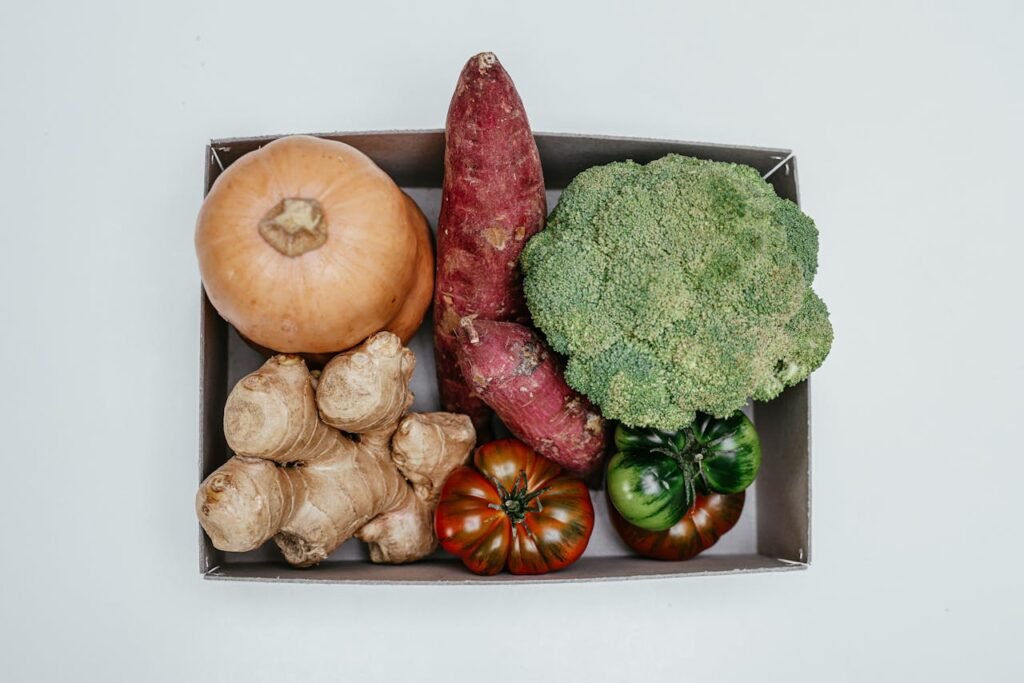
The Purple Sweet Potato: A Hidden Gem
While the orange variety is famous for beta-carotene, the purple sweet potato deserves a special mention. The deep purple colour comes from anthocyanins, the same antioxidant found in blueberries.
Studies cited by Medical News Today suggest that anthocyanins may help improve blood circulation in the retina and reduce eye fatigue. In our modern digital age, where screen time leads to digital eye strain, the anti-inflammatory properties of purple sweet potatoes offer a protective barrier against cellular damage.
Comparison: Sweet Potato vs. Carrots
Is the sweet potato truly better than the carrot? Let us look at the data.
| Nutrient (per 100g cooked) | Sweet Potato | Carrots |
|---|---|---|
| Beta-Carotene (µg) | ~8500 | ~8300 |
| Vitamin C (mg) | ~19.6 | ~3.6 |
| Vitamin E (mg) | ~0.71 | ~0.50 |
| Glycaemic Index | Low to Medium (depending on cooking) | Low |
While the beta-carotene levels are comparable, sweet potatoes offer significantly higher levels of Vitamin C and Vitamin E, providing a more comprehensive antioxidant profile for overall eye health.
Optimising Absorption: The Fat Factor
Simply eating sweet potatoes is a good start, but how you eat them dictates how much your eyes benefit. Beta-carotene is fat-soluble. This means that for your body to absorb it and convert it into Vitamin A, it must be consumed alongside dietary fat.
Research published in journals such as PubMed indicates that consuming carotenoids without fat results in extremely poor absorption rates. If you eat a plain baked sweet potato, you may miss out on the majority of its benefits.
Practical Dietary Tips
To maximise the sweet potato eye health connection, follow these preparation tips:
- Drizzle with Oil: When roasting sweet potatoes, use extra virgin olive oil or avocado oil. This carrier fat ensures the beta-carotene passes through the intestinal wall effectively.
- Pair with Nuts or Seeds: If you add sweet potato to a salad, include walnuts or sunflower seeds. These provide healthy fats and additional Vitamin E, creating a synergistic effect.
- Don’t Discard the Skin: Much of the fibre and potassium helps regulate the blood sugar spike associated with eating carbohydrates. Stable blood sugar is crucial for eye health, as diabetes is a major risk factor for retinopathy.
- Boiling vs Roasting: Interestingly, boiling sweet potatoes retains more beta-carotene than roasting, as high prolonged heat can degrade some antioxidants. However, boiling can increase the glycaemic load. A gentle steam or boil, followed by dressing with olive oil, is often the gold standard for nutrient retention.
For more on carotenoid absorption, Harvard T.H. Chan School of Public Health offers excellent resources on bioavailability.
Risks and Considerations
While sweet potatoes are generally safe, there are minor considerations. Consuming excessive amounts of beta-carotene can lead to carotenemia, a harmless condition where the skin turns a yellow-orange colour. This usually resolves once intake is reduced.
Furthermore, sweet potatoes are high in oxalates, which can contribute to kidney stone formation in susceptible individuals. If you are prone to calcium-oxalate stones, consult your GP or a dietitian. Always aim for a varied diet; resources like the RNIB recommend a rainbow of vegetables rather than relying on a single source.
The Bottom Line
Sweet potatoes are a formidable ally in the fight for vision preservation. Their dense concentration of beta-carotene, supported by Vitamins C and E, makes them superior to many other vegetables for protecting against night blindness, dry eyes, and age-related macular degeneration.
To truly unlock the sweet potato eye health benefits, remember the golden rule: always pair them with a healthy fat source. Whether mashed with a touch of butter, roasted in olive oil, or steamed and topped with avocado, this humble root vegetable offers a delicious, low-cost, and scientifically backed method to keep your eyes healthy for years to come.
While no single food acts as a cure-all, integrating sweet potatoes into a balanced, nutrient-dense diet is a proactive step toward maintaining your sight. For further reading on vision-protecting foods, consult the Mayo Clinic or explore the benefits of raw vs cooked vegetables at Scientific American. Additionally, WebMD provides a broad overview of sweet potato benefits beyond vision.