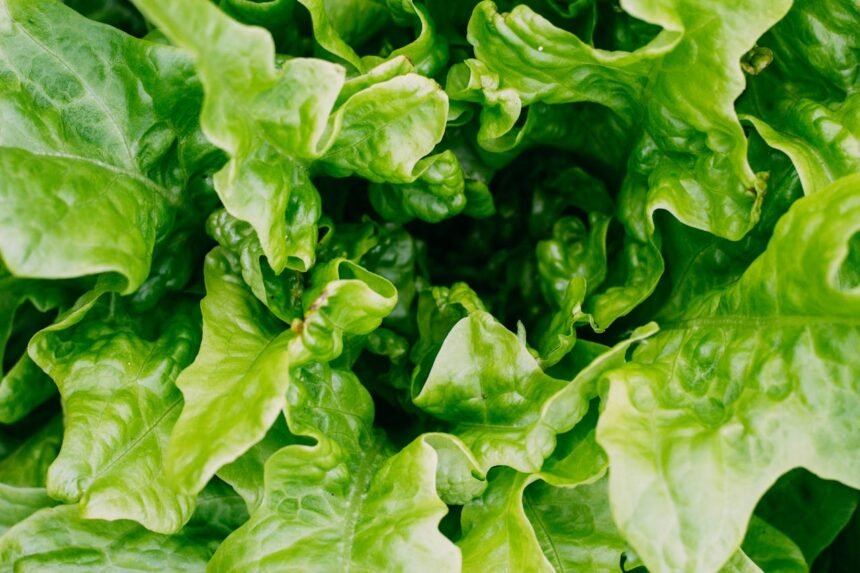
Swiss chard, scientifically known as Beta vulgaris, is a leafy green vegetable that belongs to the Chenopodioideae family, which also includes beets and spinach. Despite its name, this vibrant vegetable originated in the Mediterranean region, not Switzerland. It is highly prized for its nutritional density and culinary versatility. Swiss chard is characterized by its large, dark green leaves and thick, crisp stalks that come in a rainbow of colors, including white, red, and yellow. When different colored varieties are bundled together, they are often sold as “rainbow chard.”
In the hierarchy of nutrient-dense foods, Swiss chard sits near the top. It provides an impressive array of vitamins, minerals, and plant compounds with relatively few calories. Health experts and nutritionists frequently recommend incorporating more leafy greens like chard into your diet to combat chronic diseases, improve digestion, and maintain a healthy weight. This article explores the science-backed benefits of Swiss chard, its nutritional profile, and safety considerations.
Nutritional Profile of Swiss Chard
Swiss chard is a nutritional powerhouse. It is particularly renowned for its incredibly high Vitamin K content, but it also serves as a robust source of Vitamin A, Vitamin C, and magnesium. Because it is composed mostly of water and fiber, it is extremely low in calories, making it an excellent choice for weight loss strategies and maintenance.
According to the USDA FoodData Central, a one-cup serving (approximately 175 grams) of cooked Swiss chard provides:
- Calories: 35
- Protein: 3.3 grams
- Carbohydrates: 7 grams
- Fiber: 3.7 grams
- Fat: 0.1 grams
- Vitamin K: 477% of the Reference Daily Intake (RDI)
- Vitamin A: 60% of the RDI
- Magnesium: 36% of the RDI
- Vitamin C: 35% of the RDI
- Iron: 22% of the RDI
- Potassium: 20% of the RDI
The vegetable is also a rich source of copper, calcium, and vitamin E. The high density of essential micronutrients means that even a small serving can significantly contribute to your daily nutritional requirements, supporting various bodily functions from blood clotting to immune defense.
Loaded with Disease-Fighting Antioxidants
Antioxidants are compounds that help protect your body from oxidative stress caused by free radicals. Oxidative stress is linked to chronic conditions such as heart disease, cancer, and Alzheimer’s disease. Swiss chard is loaded with a diverse range of antioxidants, including beta-carotene, alpha-carotene, lutein, zeaxanthin, and flavonoids such as quercetin and kaempferol.
One specific flavonoid found in Swiss chard is vitexin, which has been studied for its potential to prevent heart disease and lower blood pressure by blocking the formation of pro-inflammatory cytokines. Furthermore, the stalks of red chard are rich in betalains, the same reddish-purple pigments found in beets. Research published by the National Institutes of Health (NIH) suggests that betalains have powerful anti-inflammatory and detoxification properties. By integrating chard into your meals, you are effectively providing your cells with the tools they need to combat cellular damage.
Benefits for Heart Health
Cardiovascular disease remains a leading cause of death globally, but diet plays a pivotal role in mitigation. Swiss chard is an excellent vegetable for heart health due to its impressive content of potassium, magnesium, and dietary nitrates. Potassium and magnesium are electrolytes that are vital for maintaining healthy blood pressure levels. They help dilate blood vessels and counteract the effects of high sodium consumption.
Many people do not consume enough magnesium, which is a risk factor for hypertension. Including magnesium-rich foods like Swiss chard in your diet can help bridge this gap. Additionally, studies cited by the American Heart Association indicate that potassium-rich diets are associated with a lower risk of stroke and heart attacks. The dietary fiber in chard also binds to cholesterol in the digestive system, promoting its excretion and helping to lower overall LDL (bad) cholesterol levels.
Blood Sugar Regulation and Diabetes Management
Maintaining stable blood sugar levels is crucial for preventing and managing type 2 diabetes. Swiss chard contributes to this goal through several mechanisms. First, its high fiber content slows the digestion and absorption of carbohydrates, preventing rapid spikes in blood sugar and insulin levels after meals. This makes it a valuable component of a plan for managing blood sugar effectively.
Moreover, Swiss chard contains an antioxidant known as alpha-lipoic acid (ALA). Research suggests that ALA can help lower glucose levels, increase insulin sensitivity, and prevent oxidative stress-induced changes in patients with diabetes. Another compound found in chard, syringic acid, has been shown to inhibit an enzyme called alpha-glucosidase, further helping to regulate blood sugar. While more human research is needed to fully understand the extent of these benefits, the current evidence, including data from the Centers for Disease Control and Prevention (CDC) regarding leafy greens, supports the inclusion of chard in a diabetes-friendly diet.

Bone Health and Vitamin K
When we think of bone health, we often think of calcium and dairy products. However, Vitamin K is arguably just as important, and Swiss chard is one of the best sources on the planet. Vitamin K1, the form found in chard, activates osteocalcin, the main non-collagen protein in bone. Osteocalcin anchors calcium molecules inside the bone; without enough Vitamin K, this process is impaired, leading to weaker bone density.
A deficiency in Vitamin K is strongly linked to an increased risk of bone fractures and osteoporosis. By consuming foods for bone health that are rich in Vitamin K, you can improve calcium absorption and reduce urinary excretion of calcium. It is important to note that Vitamin K is fat-soluble, so consuming Swiss chard with a source of healthy fat—such as olive oil or avocado—will maximize absorption. For more information on this nutrient, refer to the NIH Office of Dietary Supplements.
Supports Healthy Digestion
The importance of dietary fiber cannot be overstated. A single cup of cooked Swiss chard provides nearly 4 grams of fiber, contributing significantly to the recommended daily intake. Fiber adds bulk to stool and promotes regular bowel movements, preventing constipation and maintaining a healthy digestive tract.
Furthermore, fiber acts as a prebiotic, providing fuel for the beneficial bacteria in your gut. A healthy gut microbiome is linked to improved immunity, better nutrient absorption, and even enhanced mood. Adopting a high-fiber diet is a foundational step toward overall wellness. The specific types of fiber found in chard are fermented by gut bacteria into short-chain fatty acids (SCFAs), which nourish colon cells and reduce inflammation in the gut.
Weight Management and Satiety
If you are looking to lose weight or maintain a healthy weight, Swiss chard is a perfect addition to your culinary rotation. It is a low-energy-density food, meaning you can eat a large volume of it without consuming many calories. This high volume, combined with fiber and water content, promotes satiety—the feeling of fullness.
Replacing calorie-dense ingredients with leafy greens can lead to a natural reduction in daily caloric intake without the need for strict portion control. The fiber in chard slows stomach emptying, keeping you fuller for longer periods between meals. For practical tips on integration, check out our guide on healthy cooking methods to prepare chard without adding excessive unhealthy fats.
Eye Health and Vision Protection
Swiss chard contains significant amounts of lutein and zeaxanthin, two carotenoid antioxidants that accumulate in the retina of the eye. These compounds act as natural sunblock, filtering out harmful high-energy blue light waves and protecting the eye from oxidative damage.
According to the American Optometric Association, diets rich in lutein and zeaxanthin are linked to a reduced risk of age-related macular degeneration (AMD) and cataracts, which are the leading causes of visual impairment in older adults. Just one cup of Swiss chard provides a substantial dose of these vision-protecting nutrients.
Potential Downsides and Safety Considerations
While Swiss chard is incredibly healthy, there are a few considerations for certain individuals. The most significant concern involves its Vitamin K content. Vitamin K plays a crucial role in blood clotting, which can interfere with blood-thinning medications like warfarin (Coumadin). Individuals on these medications should not necessarily avoid chard but should maintain a consistent intake of Vitamin K to keep their medication dosage stable. To understand this interaction better, read our article on Vitamin K benefits and interactions.
Additionally, Swiss chard contains oxalates, natural compounds that can bind with calcium and potentially contribute to the formation of kidney stones in susceptible individuals. If you have a history of calcium oxalate kidney stones, you may need to moderate your intake or consult with a healthcare provider. The National Kidney Foundation provides guidelines on managing oxalate intake. Boiling chard and discarding the water can reduce oxalate levels more effectively than steaming or eating it raw.
Selection, Storage, and Preparation
When selecting Swiss chard, look for leaves that are vibrant and crisp. Avoid leaves that are yellowing, wilting, or have holes. The stalks should be firm and unblemished. Swiss chard is highly perishable; it should be stored in the refrigerator, ideally in a plastic bag with a paper towel to absorb excess moisture, and consumed within 3 to 4 days.
Swiss chard is versatile in the kitchen. Younger leaves are tender enough to be eaten raw in salads, adding a mild, earthy flavor. Mature leaves and stalks are best cooked to soften their texture. The stalks are edible but take longer to cook than the leaves, so it is often recommended to chop the stalks and start cooking them a few minutes before adding the leaves. You can explore leafy greens comparison guides to see how chard stacks up against spinach or kale in various recipes.
Delicious Ways to Eat Swiss Chard
- Sautéed: Cook with olive oil, garlic, and red pepper flakes for a simple side dish. See our heart-healthy recipes for inspiration.
- Soups and Stews: Add chopped chard to lentil soups or vegetable stews near the end of the cooking process.
- Smoothies: Blend raw leaves into smoothies for a nutrient boost.
- Wraps: Use large, blanched chard leaves as a low-carb substitute for tortillas.
- Eggs: Fold chopped chard into omelets or frittatas.
Always remember to wash the leaves thoroughly before use, as dirt and grit can get trapped in the crinkled leaves. For those monitoring oxalate intake, consider boiling the greens as mentioned previously. For more ideas on how to manage dietary restrictions, see our post on the low oxalate diet.
The Bottom Line: Should You Eat Swiss Chard?
Swiss chard is undeniably one of the most nutrient-dense vegetables available. Its impressive profile of vitamins K, A, and C, combined with essential minerals like magnesium and potassium, makes it a vital ally in preventing chronic disease. From supporting heart health and bone density to regulating blood sugar and aiding in digestion, the benefits are extensive.
While those on blood thinners or prone to kidney stones should exercise caution and consult with professionals, for the vast majority of people, Swiss chard is a safe and delicious addition to a balanced diet. Whether sautéed, boiled, or eaten raw, it adds color, flavor, and nutrition to any meal. For further reading on vegetable intake guidelines, visit the Harvard T.H. Chan School of Public Health or check the FDA resources on nutrition labeling.
Takeaway
Swiss chard is a leafy green vegetable packed with vitamins, minerals, fiber, and antioxidants. It supports heart, bone, and eye health while aiding in weight management and blood sugar control. Although high in Vitamin K and oxalates, it is generally safe and highly beneficial for most people. Incorporating chard into your diet is a simple strategy to boost your overall nutrient intake.