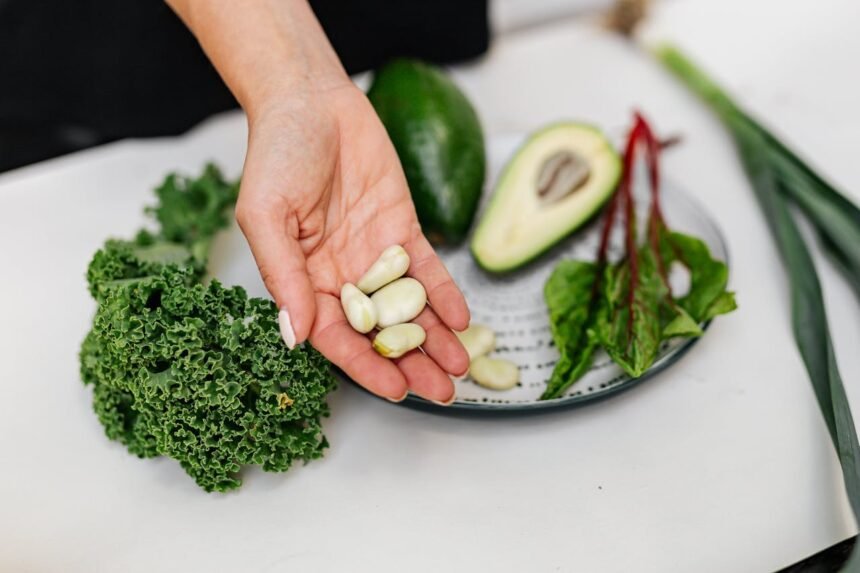
Swiss chard, a leafy green vegetable belonging to the Chenopodiaceae family, has emerged as a significant dietary component in the preservation of long-term vision health. While often overshadowed by kale and spinach, Swiss chard boasts a unique phytochemical profile that makes it particularly effective in combating age-related ocular decline. The primary connection between this vegetable and eye health lies in its high concentration of carotenoids, specifically lutein and zeaxanthin, as well as its robust vitamin A content.
Research indicates that the bioactive compounds found in Swiss chard act as systemic antioxidants, specifically targeting the retina to reduce oxidative stress. By neutralizing free radicals, these nutrients help maintain the structural integrity of the macula, the part of the eye responsible for central vision. Integrating nutrient-dense leafy greens like Swiss chard into your daily diet is a proactive strategy for mitigating the risks associated with degenerative eye diseases. This article explores the specific biological mechanisms through which Swiss chard supports visual acuity and offers evidence-based recommendations for dietary inclusion.
Understanding Age-Related Macular Degeneration (AMD)
Age-Related Macular Degeneration (AMD) remains a leading cause of vision loss in adults over the age of 50. To appreciate the role of nutrition in eye health, one must first understand the pathology of AMD. This condition involves the deterioration of the macula, the small central area of the retina that controls visual sharpness. As the macula degrades, individuals lose the ability to see fine details, making activities like reading and driving increasingly difficult.
The etiology of AMD is multifactorial, involving genetics, environmental factors, and significant oxidative stress. The eyes are constantly exposed to light and oxygen, a combination that promotes the production of reactive oxygen species (ROS). Over time, if the body’s antioxidant defenses are overwhelmed, these ROS cause cellular damage to retinal tissues. According to the National Eye Institute, dietary intervention is one of the most effective ways to slow the progression of AMD, particularly in its intermediate stages. This is where the specific nutrient profile of Swiss chard becomes critical for macular degeneration prevention strategies.
The Nutritional Powerhouse: Swiss Chard Profile
Swiss chard is not merely a source of fiber; it is a complex delivery system for fat-soluble vitamins and phytonutrients. When analyzing its impact on vision, we focus primarily on three distinct categories of nutrients: xanthophyll carotenoids, provitamin A, and synergistic antioxidants.
Lutein and Zeaxanthin: The Macular Pigments
The most compelling reason to consume Swiss chard for vision is its concentration of lutein and zeaxanthin. These two carotenoids are unique because they are the only ones found in high concentrations within the lens and the retina of the eye. They are often referred to as ‘macular pigments.’ Their primary function is to filter harmful high-energy blue wavelengths of light, acting as internal sunglasses that protect the photoreceptor cells.
A study published by the National Institutes of Health (NIH) suggests that higher dietary intake of these carotenoids is associated with a reduced risk of advanced AMD. Swiss chard provides a substantial dose of these compounds. Unlike synthetic supplements, the lutein found in chard comes in a food matrix that often includes natural lipids, which aids in absorption. For those looking to understand more about these compounds, our detailed guide on the benefits of lutein offers a deeper dive into optimal daily intakes.
Vitamin A and Beta-Carotene
Swiss chard is exceptionally rich in beta-carotene, which the body converts into vitamin A (retinol). Vitamin A is non-negotiable for vision health; it is a precursor for the synthesis of rhodopsin, a photopigment found in the rods of the retina that allows us to see in low-light conditions. A deficiency in vitamin A can lead to night blindness and, in severe cases, xerophthalmia.
Just one cup of cooked Swiss chard can provide more than 100% of the daily recommended value of Vitamin A. This makes it an essential food for maintaining the health of the cornea and conjunctival membranes. Ensuring you consume adequate vitamin A rich foods is a fundamental aspect of holistic optometric care. Further data from the USDA FoodData Central highlights that Swiss chard outperforms many other vegetables in raw beta-carotene content.

Mechanism of Action: How Chard Protects Vision
The protective effects of Swiss chard are not singular; they operate through multiple biological pathways. Understanding these mechanisms helps clarify why whole foods are often superior to isolated supplementation.
Combating Oxidative Stress
The retina has one of the highest metabolic rates of any tissue in the body, which naturally results in high byproduct production. When you combine this metabolic activity with high exposure to UV radiation, the eye becomes a hotbed for oxidative damage. Swiss chard contains alpha-lipoic acid, vitamin C, and vitamin E, all of which work in concert to neutralize free radicals. This synergistic effect is vital for managing oxidative stress within ocular tissues.
Research from the Centers for Disease Control and Prevention (CDC) underscores that antioxidants can delay the onset of cataracts and AMD. The vitamin C in chard specifically supports the health of blood vessels in the eye, crucial for preventing diabetic retinopathy and maintaining proper blood flow to the retina. You can read more about antioxidant-rich foods to support this system further.
Blue Light Filtration
In the digital age, our eyes are subjected to unprecedented amounts of blue light from screens and LED lighting. The carotenoids in Swiss chard absorb blue light before it hits the photoreceptors, thereby reducing light-induced oxidative damage. This filtration system improves visual performance by reducing glare disability and enhancing contrast sensitivity. For modern office workers, incorporating chard into lunch meals can be a dietary tactic for blue light protection.
Swiss Chard vs. Spinach and Kale
While spinach and kale are often the default choices for eye health, Swiss chard holds its own and, in some respects, offers a better culinary alternative. Spinach contains high levels of oxalates, which can be problematic for some, while kale can be fibrous and difficult to digest raw. Swiss chard offers a milder flavor and a more tender texture when cooked, making it easier to consume in the large quantities necessary for therapeutic benefit.
Furthermore, the bioavailability of nutrients in chard can be superior depending on preparation methods. A comparison by Harvard T.H. Chan School of Public Health indicates that variety in leafy green consumption is key to covering the full spectrum of phytonutrients. Rotating Swiss chard with other greens prevents dietary fatigue and ensures a broader intake of minerals like magnesium and potassium. For a detailed breakdown, review our leafy greens comparison article.
Dietary Tips for Maximum Absorption
The nutrients in Swiss chard, particularly vitamins A, E, K, and the carotenoids, are fat-soluble. This means they require the presence of dietary fat to be absorbed effectively by the digestive tract. Eating plain steamed chard may result in poor absorption of these critical eye-health compounds.
To maximize benefits, consider saut©ing Swiss chard in olive oil or avocado oil. A study cited by the Mayo Clinic suggests that adding healthy fats to vegetables can increase carotenoid absorption by up to three times. Additionally, avoid overcooking chard, as prolonged heat can degrade vitamin C content. A quick saut© or blanching is ideal. For practical meal ideas, check our healthy salad recipes which incorporate healthy fats.
Potential Risks and Considerations
While Swiss chard is highly beneficial, there are medical considerations for certain populations. Swiss chard is high in vitamin K, which plays a crucial role in blood clotting. For individuals taking anticoagulants (blood thinners) such as warfarin, sudden increases in vitamin K intake can interfere with medication efficacy. It is essential to maintain a consistent intake rather than eliminating it or spiking consumption. Read more about vitamin K interactions to stay safe.
Additionally, like spinach, Swiss chard contains oxalates, which can contribute to kidney stone formation in susceptible individuals. However, boiling the chard and discarding the water can significantly reduce oxalate levels. Information from the Cleveland Clinic advises adequate hydration to mitigate this risk. Always consult with a healthcare provider before making drastic dietary changes if you have a history of renal issues.
The Bottom Line
Swiss chard represents a formidable ally in the fight against vision loss and macular degeneration. Its rich profile of lutein, zeaxanthin, and beta-carotene provides the structural components necessary for retinal protection and blue light filtration. By reducing oxidative stress and supporting low-light vision, this leafy green goes beyond general nutrition to offer specific ocular benefits.
To reap the rewards, integrate Swiss chard into your weekly meal rotation, ensuring it is prepared with healthy fats to optimize nutrient absorption. While supplements are available, the synergistic effect of the whole food matrix found in chard is often superior. For further reading on maintaining eyesight as you age, visit the American Academy of Ophthalmology or explore our internal guide on foods for eye health.
Takeaway: Prioritize dark, leafy greens like Swiss chard as a natural, effective method for preserving vision and preventing the onset of age-related macular degeneration. Consistent dietary patterns, rather than sporadic consumption, yield the best results for long-term ocular health.