Digestive discomfort is an issue that most of us face at some point, often disrupting our daily routines and general sense of well-being. Whether it is occasional bloating, an upset stomach, or more persistent irregularity, finding a gentle, natural remedy is often a priority before reaching for pharmaceutical solutions.
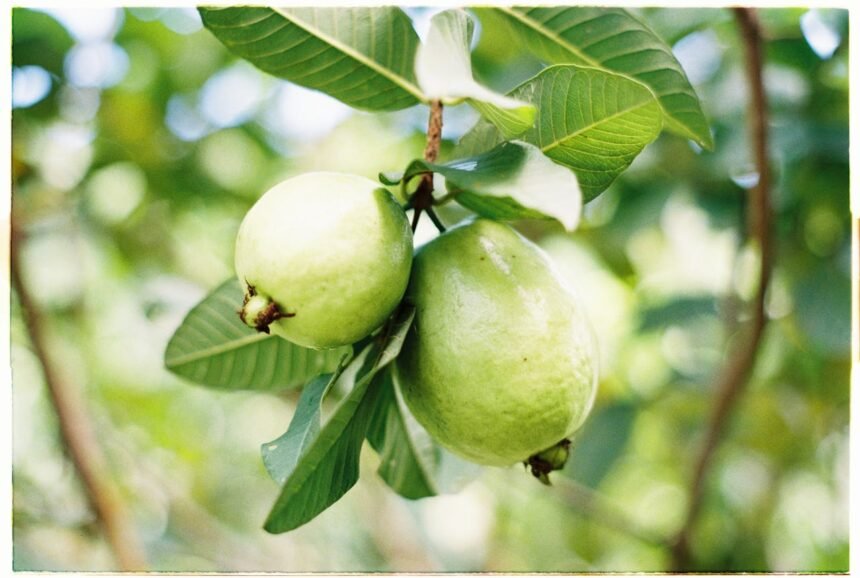
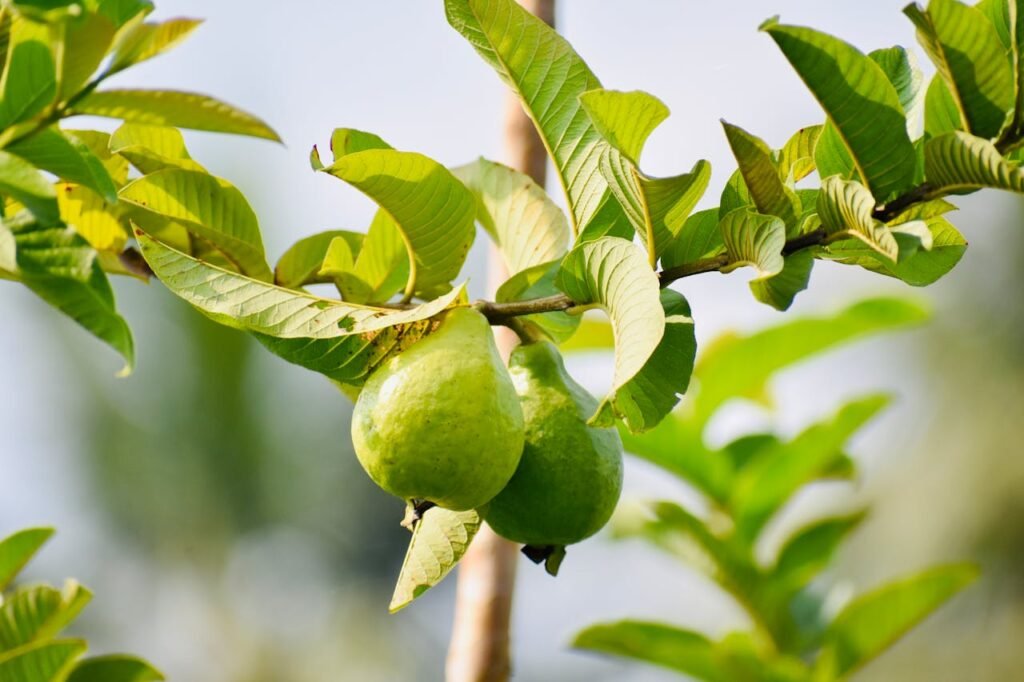
While green tea and chamomile are household staples, there is another potent herbal infusion that has been utilised in traditional medicine for centuries: guava leaf tea. Derived from the Psidium guajava tree, this tropical brew is gaining recognition in the wellness community for its impressive profile of antioxidants and bioactive compounds.
Historically, communities across Mexico and parts of South America have brewed these leaves to treat everything from toothaches to gastrointestinal infections. Today, modern science is beginning to catch up, validating what traditional healers have known for generations regarding the plant’s therapeutic potential.
In this article, we explore the science-backed benefits of guava leaf tea, specifically focusing on how it supports digestive health, regulates bodily functions, and promotes overall wellness.
What is Guava Leaf Tea?
Guava leaf tea is an herbal infusion made by steeping the leaves of the guava plant (Psidium guajava) in hot water. While the guava fruit itself is renowned for being rich in Vitamin C, the leaves are equally dense in nutrients, containing high levels of antioxidants, flavonoids, and tannins.
These leaves are distinct because of their high concentration of carotenoids and polyphenols. Research suggests that the leaves may actually possess higher medicinal efficacy than the fruit itself. They are typically harvested, dried, and crushed to be sold as loose-leaf tea or in supplement form, though fresh leaves can also be boiled if you live in a tropical climate where the tree grows naturally.
The nutritional profile of guava leaves includes:
- Vitamin C: Essential for immune function.
- Quercetin: A powerful flavonoid with anti-inflammatory effects.
- Lycopene: Known for its antioxidant properties.
- Catechins: Similar to those found in green tea, aiding in fat metabolism.
Understanding the chemical composition of these leaves helps explain why they are so effective at soothing the digestive tract and combating harmful bacteria.
5 Evidence-Based Benefits for Digestion
If you are looking to optimise your gut health, incorporating this tea into your routine could be beneficial. Here is a breakdown of the primary digestive benefits supported by scientific inquiry.
1. Relief from Diarrhoea
One of the most traditional uses for guava leaves is as a remedy for diarrhoea. Studies indicate that the leaf extract inhibits the growth of Staphylococcus aureus, a common cause of diarrhoea. According to research found in the National Library of Medicine, the extract restricts the activity of harmful bacteria in the gut, helping to reduce the duration and severity of symptoms.
Furthermore, drinking this tea may cause the contraction of tissues in the digestive tract, which helps to firm up loose stools. This antispasmodic effect is crucial for those suffering from acute digestive distress.
2. Regulation of Blood Sugar Levels
Digestive health is intrinsically linked to how our bodies process sugar. Spikes in insulin and blood glucose can lead to cravings and metabolic instability. Guava leaf tea has been shown to improve insulin resistance.
A study referenced by Healthline suggests that drinking guava leaf tea after a meal can help suppress blood sugar spikes. It does this by inhibiting enzymes like alpha-glucosidase, which breaks down carbohydrates into glucose. By slowing this process, the tea ensures a more gradual release of sugar into the bloodstream.
3. Antimicrobial Activity in the Gut
Maintaining a healthy microbiome is essential for digestion. The gut is populated by trillions of bacteria, and an imbalance can lead to issues like SIBO (Small Intestinal Bacterial Overgrowth) or general dysbiosis.
The flavonoids in guava leaves act as natural antibiotics. They help neutralise harmful microbes without wiping out the beneficial bacteria necessary for digestion. This selective antimicrobial action makes it a superior choice compared to harsh chemical antibiotics for minor stomach bugs.
4. Soothing Menstrual Cramps
While primarily reproductive, menstrual cramps (dysmenorrhoea) often cause digestive upset, including nausea and bowel changes. The antispasmodic properties of guava leaf extract have been compared favourably to ibuprofen in some clinical trials.
By relaxing the smooth muscles of the uterus and the intestines, the tea can provide dual relief—easing painful cramps while simultaneously calming the “period poops” or digestive cramping that often accompanies menstruation. Information from Medical News Today highlights this significant pain-relieving potential.
5. Support for Weight Management
Proper digestion is the cornerstone of weight management. Guava leaf tea aids this by preventing complex starches from being converted into sugars. By interfering with carbohydrate metabolism, it may help the body burn fat more efficiently rather than storing it.
While it is not a magic weight-loss cure, when combined with a balanced diet, it supports a healthy metabolism. The NHS recommends maintaining a healthy weight to reduce the risk of acid reflux and other digestive complaints, and low-calorie herbal teas are an excellent substitute for sugary drinks.
Comparison of Tea Varieties
To help you understand where guava leaf tea fits into your pantry, we have compared it against other popular digestive teas.
| Feature | Guava Leaf Tea | Green Tea | Peppermint Tea |
|---|---|---|---|
| Caffeine Content | Caffeine-Free | Moderate Caffeine | Caffeine-Free |
| Primary Digestive Benefit | Anti-diarrhoeal & Blood Sugar Control | Metabolism Boost | Anti-bloating & Gas Relief |
| Key Antioxidant | Quercetin | EGCG | Rosmarinic Acid |
| Taste Profile | Mild, fruity, slightly bitter | Grassy, earthy | Sharp, cool, minty |
| Best Time to Drink | After meals | Morning/Afternoon | After heavy meals |
How to Prepare Guava Leaf Tea
Making this tea is straightforward, whether you are using fresh leaves or dried versions found in health shops.
Using Fresh Leaves:
- Harvest: Select 5-6 tender, young leaves. Ensure they are free from pesticides.
- Clean: Wash the leaves thoroughly under cold running water to remove dust.
- Boil: Place the leaves in a pot with 500ml of water. Bring to a boil.
- Simmer: Lower the heat and let it simmer for 10 minutes. The water should turn a brownish-green colour.
- Serve: Strain the leaves and pour the liquid into a cup. You may add honey or lemon for flavour.
Using Dried Leaves or Tea Bags:
- Boil Water: Bring fresh water to a rolling boil.
- Steep: Pour hot water over 1-2 teaspoons of dried crushed leaves or one tea bag.
- Wait: Cover and steep for 5-7 minutes to extract the maximum amount of polyphenols.
- Enjoy: Remove the infuser or bag and drink warm.
Safety and Side Effects
While generally considered safe for most adults, there are precautions to consider.
- Pregnancy and Breastfeeding: There is insufficient data regarding the safety of concentrated guava leaf supplements during pregnancy. It is always best to consult a GP or midwife before introducing herbal remedies.
- Eczema Prone Skin: Interestingly, some anecdotal evidence suggests guava leaf extract can help eczema, but those with highly sensitive skin should test a small amount first if applying topically. The National Eczema Society advises caution with new herbal triggers.
- Medication Interactions: If you are on medication for diabetes or blood pressure, be aware that guava leaf tea lowers blood sugar and blood pressure. Monitoring is essential to avoid hypoglycemia or hypotension.
Frequently Asked Questions
Can I drink guava leaf tea on an empty stomach?
Yes, drinking it on an empty stomach may help with absorption, particularly for blood sugar regulation. However, if you have a sensitive stomach, you might prefer drinking it after a meal to prevent slight nausea.
Does guava leaf tea help with bloating?
It can help. By reducing inflammation in the gut and fighting off bad bacteria that produce gas, many users report a reduction in bloating. However, peppermint tea is generally considered the gold standard for immediate gas relief.
How often should I drink it?
For general health maintenance, one cup per day is sufficient. If you are using it to manage a specific issue like diarrhoea, you might increase this to two cups daily for a short period. Always listen to your body.
Is it safe for children?
While natural, it is best to consult a paediatrician. In many cultures, weak guava tea is given to children for stomach aches, but dosage is key. Resources like HealthyChildren.org recommend caution with herbal supplements for minors.
The Bottom Line
Guava leaf tea is more than just a comforting warm beverage; it is a functional herbal remedy with a robust history and emerging scientific backing. Its ability to combat diarrhoea, stabilise blood sugar, and provide antimicrobial support makes it a valuable addition to a digestive health regimen.
However, it is not a replacement for medical treatment. If you experience chronic digestive issues, persistent pain, or severe symptoms, it is vital to seek professional medical advice. Used correctly, guava leaf tea can be a soothing, natural tool to help you feel your best from the inside out.