Navigating the produce aisle can feel like walking through a minefield when you first start a ketogenic lifestyle. You have likely said goodbye to pasta, bread, and sugary treats, but the rules surrounding vegetables can often feel murky and confusing.
It is completely normal to feel overwhelmed. After all, we have been told our entire lives to “eat our greens,” but on a strict low-carb diet, even some healthy vegetables can push you out of ketosis. You might miss the crunch of a carrot or the comfort of a sweet potato, and that is a valid frustration.
However, vegetables remain a cornerstone of a well-formulated keto diet. They provide the essential fibre, hydration, and micronutrients your body desperately needs to function optimally. Without them, you risk nutrient deficiencies and the dreaded “keto flu.”
Identifying the right plant-based foods does not have to be a chore. By focusing on non-starchy options that grow above the ground, you can enjoy vibrant, filling meals that support your metabolic goals.
Here is a comprehensive guide to the best low-carb vegetables for a keto lifestyle, backed by science and nutritional expertise.
What Makes a Vegetable Keto-Friendly?
Before diving into the specific list, it is crucial to understand what separates a keto-friendly vegetable from one that might spike your blood sugar.
The primary metric to consider is the carbohydrate content relative to the fibre content. On a standard ketogenic diet, your goal is generally to stay under 20–50 grams of carbohydrates per day.
Understanding Starch and Sugar
Vegetables are broadly categorised into two groups: starchy and non-starchy.
Starchy vegetables, such as potatoes, parsnips, and corn, are rich in energy but high in carbohydrates. While they are whole foods, they break down into glucose rapidly, which inhibits ketone production.
Non-starchy vegetables, typically those that grow above ground (leafy greens, cruciferous vegetables), are low in energy density but high in nutrient density. They allow you to fill your plate without blowing your carb allowance.
The UK Labelling Difference
If you are reading nutrition labels in the UK, it is important to note a key difference from US packaging.
In the UK, the “Carbohydrate” figure on the nutritional label is usually the net carbs already. Fibre is listed separately. You do not need to subtract the fibre from the total carbohydrate count as you would with US labels. This makes calculating your daily intake significantly more straightforward.
Organisations like Diabetes UK emphasise that non-starchy vegetables should make up a significant portion of your meal plate to manage blood glucose levels effectively.
The Top Low-Carb Vegetables for Keto
To help you build a diverse and nutritious menu, here are the best vegetables to prioritise. These selections are chosen for their low carbohydrate impact and high nutritional value.
1. Spinach and Leafy Greens
Leafy greens are the ultimate keto staple. They are incredibly low in carbohydrates but packed with vitamins A, C, and K.
Why it works:
Spinach contains magnesium, a mineral that is vital for energy production and muscle function. Maintaining adequate magnesium levels can help mitigate muscle cramps, a common side effect of transitioning to keto.
How to use it:
- Sauté with garlic and butter.
- Blend into a morning smoothie.
- Use raw as a salad base.
2. Courgette (Zucchini)
Courgette is a versatile hero in the low-carb kitchen. It has a high water content and a neutral flavour profile that absorbs sauces beautifully.
Why it works:
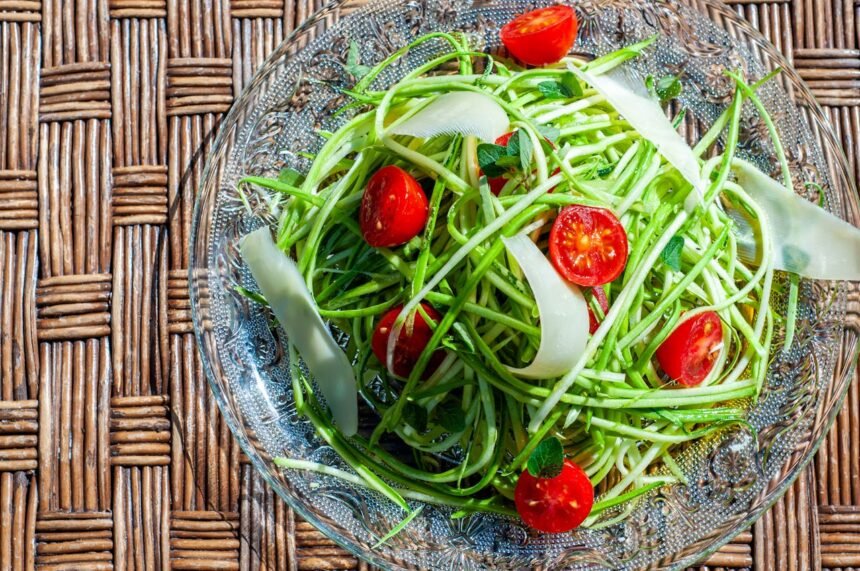
With only about 3 grams of carbs per 100g, courgette is an excellent substitute for high-carb staples. Spiralised courgette, often called “courgetti,” is a popular replacement for pasta, allowing you to enjoy Bolognese without the wheat.
3. Avocados
While botanically a fruit, avocados are treated as a vegetable in culinary contexts and are arguably the most important plant food on a keto diet.
Why it works:
Avocados are unique because they are loaded with heart-healthy monounsaturated fats. According to the British Heart Foundation, replacing saturated fats with unsaturated fats can help lower cholesterol levels. Furthermore, avocados are rich in potassium, another electrolyte essential for hydration.
4. Cauliflower
Cauliflower has experienced a renaissance in recent years, becoming the go-to substitute for almost every starch imaginable.
Why it works:
It is incredibly low in carbs but high in fibre and choline. Its texture mimics potatoes and rice when processed correctly.
Preparation ideas:
- Cauliflower Rice: Pulse in a food processor and fry.
- Mash: Steam and blend with cream cheese and butter.
- Pizza Crust: Mix with egg and cheese for a low-carb base.
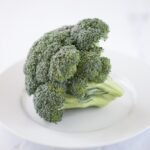
5. Broccoli
Broccoli is a cruciferous powerhouse that should be a regular feature in your rotation.
Why it works:
It contains sulforaphane, a compound that has been studied for its potential antioxidant properties. It is also high in fibre, which supports digestive health. Research from Healthline notes that broccoli can decrease insulin resistance, making it ideal for metabolic health.
6. Asparagus
Asparagus feels luxurious but is perfectly suited for everyday keto eating.
Why it works:
It is a good source of vitamins A, C, and K. Additionally, small studies suggest asparagus may have mild diuretic properties, which can assist in reducing bloating.
7. Kale
Kale is more than just a trend; it is a nutrient-dense leaf that holds up well in cooking.
Why it works:
Kale is rich in antioxidants like quercetin and kaempferol. It has a slightly higher carb count than spinach but is much more robust, making it excellent for baking into “chips” or adding to soups.
8. Green Beans
Although they are technically legumes (like beans and lentils), green beans contain significantly fewer carbs than their cousins.
Why it works:
One cup of green beans contains roughly 7 grams of carbohydrates, making them safe in moderation. They provide a satisfying crunch that many soft keto foods lack.
9. Brussels Sprouts
These festive favourites are excellent year-round, provided you do not overcook them.
Why it works:
They are high in fibre and vitamin C. Roasting them brings out a nutty sweetness without adding sugar.
10. Aubergine (Eggplant)
Aubergine is often overlooked but serves as a fantastic vehicle for fats and flavours.
Why it works:
Its spongy texture absorbs oils, such as olive oil or melted cheese, helping you meet your fat macros. It contains nasunin, an antioxidant found in the purple skin.
Comparison of Carb Counts
To help you plan your shopping list, here is a breakdown of the carbohydrate content for common vegetables. Note that values are approximate per 100g raw portion.
| Vegetable | Total Carbs (g) | Fibre (g) | UK Net Carbs (approx g) | Calories (kcal) |
|---|---|---|---|---|
| Spinach | 3.6 | 2.2 | 1.4 | 23 |
| Celery | 3.0 | 1.6 | 1.4 | 16 |
| Avocado | 8.5 | 6.7 | 1.8 | 160 |
| Courgette | 3.1 | 1.0 | 2.1 | 17 |
| Asparagus | 3.9 | 2.1 | 1.8 | 20 |
| Cauliflower | 5.0 | 2.0 | 3.0 | 25 |
| Broccoli | 7.0 | 2.6 | 4.4 | 34 |
| Green Beans | 7.0 | 2.7 | 4.3 | 31 |
| Kale | 8.8 | 3.6 | 5.2 | 49 |
| Brussels Sprouts | 9.0 | 3.8 | 5.2 | 43 |
Tips for Optimising Veg Intake on Keto
Eating vegetables on keto is not just about selection; it is also about preparation. The way you cook your food influences its nutritional availability and your satiety.
Don’t Fear Fat: Vegetables are the delivery mechanism for your healthy fats. Drizzle olive oil over salads or roast your broccoli in coconut oil. This aids the absorption of fat-soluble vitamins (A, D, E, and K). Guidance from the NHS suggests prioritising unsaturated oils for cardiovascular health.
Watch the Onions: Onions are delicious but surprisingly high in sugar compared to leafy greens. Use them as a seasoning rather than a main vegetable. Shallots and red onions have higher carb counts, so use them sparingly.
Fermented Options: Incorporating fermented foods like sauerkraut or kimchi is highly beneficial. These foods support your gut microbiome. According to ZOE, a diverse microbiome is linked to better metabolic responses.
Roasting vs Boiling: Boiling vegetables can cause water-soluble vitamins to leach out into the water. Roasting or steaming preserves more nutrients and generally improves the flavour profile, making it easier to stick to your diet.
Frequently Asked Questions
Can I eat carrots on keto?
Carrots are moderately high in sugar. While you can have a small amount grated into a salad, a full serving of roasted carrots might consume a large portion of your daily carb allowance. It is best to eat them in moderation.
Are tomatoes keto-friendly?
Yes, but with caveats. Tomatoes are technically fruits and contain natural sugars. Cherry tomatoes or a small amount of tinned tomatoes in a sauce are generally fine, but sun-dried tomatoes are very concentrated in sugar and should be avoided or limited. For more on fruit classifications, you can read resources from Medical News Today.
Do I need to count calories for vegetables?
While keto is primarily about hormone regulation (insulin), calories still matter for weight loss. However, it is very difficult to overeat leafy greens. Most people find they do not need to strictly track calories from spinach or lettuce, but should be mindful of starchier options like Brussels sprouts.
What about frozen vegetables?
Frozen vegetables are excellent. They are often frozen at the peak of freshness, locking in nutrients. Just be sure to check the label for added sauces or glazes that might contain hidden sugars or starches. The British Dietetic Association confirms that frozen options count towards your daily vegetable intake just as much as fresh ones.
Why does fibre matter if I am counting carbs?
Fibre is crucial for digestion and gut health. It helps regulate blood sugar spikes and keeps you feeling full. The Harvard T.H. Chan School of Public Health highlights that a high-fibre diet lowers the risk of developing various chronic diseases.
The Bottom Line
Adopting a keto lifestyle does not mean you have to sacrifice variety or nutrition. In fact, it is an opportunity to explore a wide range of colourful, non-starchy vegetables that support your health.
By focusing on leafy greens, cruciferous vegetables, and healthy fats like avocado, you can maintain ketosis while ensuring your body receives the vitamins and minerals it needs. Remember to check labels, cook with healthy fats, and listen to your body.
A sustainable diet is one that you enjoy. Experiment with new recipes, like cauliflower cheese or courgette noodles, to keep your meals exciting.
Always consult with a healthcare professional before making drastic changes to your diet, especially if you have underlying health conditions. For reliable dietary guidelines, resources like GOV.UK provide excellent baselines for general health that can be adapted to your needs.
Eating well is a form of self-respect. Prioritise your vegetables, and your body will thank you.