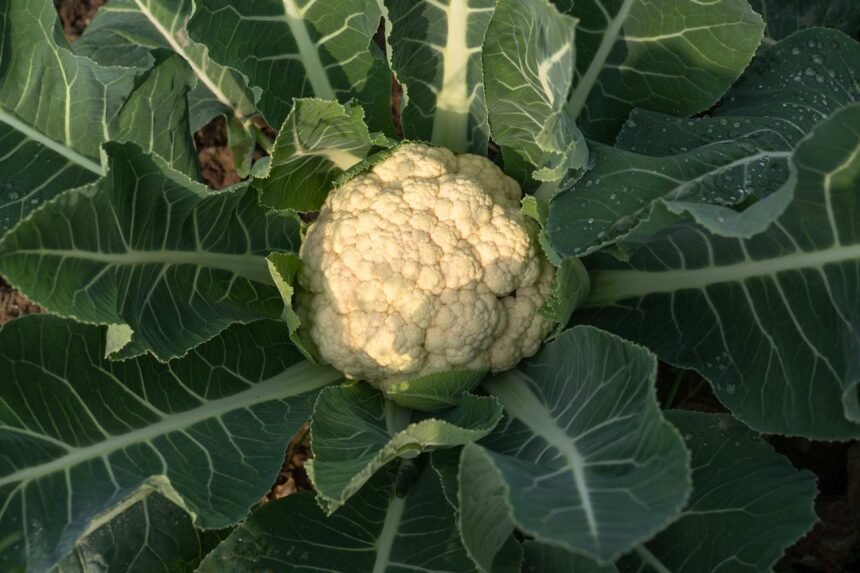
When we think of brain-boosting foods, we often picture fatty fish, walnuts, or perhaps blueberries. However, a humble cruciferous vegetable deserves a spotlight on your plate: cauliflower.
While often celebrated for its versatility as a low-carb substitute for rice or mash, cauliflower is a nutritional powerhouse in its own right. Specifically, the cauliflower choline content makes it one of the best plant-based sources of a nutrient that is absolutely vital for cognitive function, liver health, and metabolism.
Despite its importance, choline is often overlooked, and many people do not meet the recommended daily intake. Incorporating cauliflower into your diet is a delicious and effective strategy to bridge that gap.
Here is an exhaustive look at choline in cauliflower, why your body needs it, and how to maximise its benefits.
What Is Choline and Why Is It Essential?
Choline is neither a vitamin nor a mineral. It is an essential organic compound that is water-soluble. While your liver can produce small amounts of choline, it is not enough to meet human needs. Therefore, you must obtain the majority of it through your diet.
This nutrient is often grouped with the B-vitamin complex due to its similar functions. It plays a pivotal role in several bodily processes that keep you functioning at your peak.
Key functions include:
- Cell Structure: It is required to make fats that support the structural integrity of cell membranes.
- Cell Messaging: It produces compounds that act as cell messengers.
- Fat Transport: It is essential for making a substance required to remove cholesterol from your liver. Without adequate choline, fat and cholesterol may accumulate in your liver.
- DNA Synthesis: Choline and other vitamins, such as B12 and folate, help with a process important for DNA synthesis.
Most importantly for our focus today, choline is required to produce acetylcholine, an important neurotransmitter for memory, mood, muscle control, and other brain and nervous system functions.
According to the National Institutes of Health (NIH), the Adequate Intake (AI) for choline is 550 mg per day for men and 425 mg per day for women.
The Choline Content in Cauliflower: By the Numbers
Understanding the specific cauliflower choline profile helps in planning a balanced diet, particularly for vegetarians and vegans who cannot rely on eggs or liver (the richest sources of choline).
Cauliflower is a cruciferous vegetable belonging to the Brassica genus. It acts as a nutrient-dense vessel for this compound.
Nutritional Breakdown:
One cup (approximately 107 grams) of chopped, raw cauliflower contains roughly 45 to 47 mg of choline. This amount equates to roughly 11% of the Adequate Intake (AI) for women and 8% for men.
While this might seem modest compared to beef liver, it is significantly high for a low-calorie vegetable source. It allows you to contribute to your daily goals without consuming excessive calories or saturated fats.
Raw vs. Cooked: Does Preparation Matter?
Choline is a water-soluble nutrient. This means that cooking methods involving large amounts of water, such as boiling, can cause the nutrient to leach out of the vegetable and into the water.
However, because cauliflower reduces in volume when cooked, the concentration per cup can actually appear higher, provided you use a cooking method that retains nutrients.
| Preparation Method | Serving Size | Approx. Choline Content |
|---|---|---|
| Raw, chopped | 1 cup (107g) | 47 mg |
| Boiled, drained | 1 cup (124g) | 55 mg |
| Cooked, from frozen | 1 cup (180g) | 60 mg |
Data adapted from USDA FoodData Central.
To maximise nutrient retention, steaming, roasting, or stir-frying are generally superior to boiling.
Why Choline Matters for Brain Health
The link between choline and the brain is profound. As the precursor to acetylcholine, the intake of cauliflower choline directly supports the systems that govern memory and intelligence.
1. Cognitive Performance and Memory
Acetylcholine is the neurotransmitter used at the neuromuscular junction—meaning it helps your brain tell your muscles to move. In the central nervous system, it is vital for attention and memory.
Some observational studies suggest that higher choline intake is linked to better cognitive performance. Ensuring a steady supply of choline allows the brain to maintain robust signalling pathways.
2. Neuroprotection and Ageing
As we age, the brain’s ability to process information can decline. Chronic inflammation and oxidative stress are often culprits. Cauliflower provides a dual benefit here: it supplies choline for neurotransmitter support and antioxidants (like vitamin C and manganese) to fight oxidative stress.
Research published in reputable journals suggests that adequate choline intake may be associated with a lower risk of dementia and Alzheimer’s disease, although more clinical trials are needed to confirm these findings definitively.
3. Fetal Brain Development
For pregnant women, choline is as critical as folate. It supports the development of the foetus’s brain and spinal cord. High intake during pregnancy can influence the cognitive function of the child later in life.
According to Mayo Clinic, proper prenatal nutrition including choline helps prevent neural tube defects. Since many prenatal vitamins do not contain sufficient choline, dietary sources like cauliflower become essential.
Comparative Analysis: Cauliflower vs. Other Sources
How does cauliflower stack up against other choline-rich foods? While animal products are more concentrated sources, cauliflower is a leading vegetable contender.
Animal Sources vs. Plant Sources
- Eggs: One large hard-boiled egg contains about 147 mg of choline. This is the gold standard.
- Beef Liver: A 3-ounce serving offers a massive 356 mg.
- Cod: A 3-ounce serving provides roughly 71 mg.
For those on a plant-based diet, obtaining choline requires more diligence. This is where cauliflower shines.
Vegetable Comparison
| Food Source (1 cup) | Choline Content |
|---|---|
| Cauliflower (Cooked) | ~60 mg |
| Broccoli (Cooked) | ~62 mg |
| Brussels Sprouts (Cooked) | ~63 mg |
| Spinach (Cooked) | ~20 mg |
| Asparagus (Cooked) | ~50 mg |
As you can see, cruciferous vegetables are the heavy hitters of the plant kingdom regarding choline. You can read more about the benefits of these vegetables on Healthline.

Additional Health Benefits of Cauliflower
While we are focusing on cauliflower choline, eating this vegetable provides a synergistic effect with other nutrients.
Liver Function
Choline is required to transport fat out of the liver. A deficiency can lead to Non-Alcoholic Fatty Liver Disease (NAFLD). By consuming cauliflower, you help your liver package fats into very-low-density lipoproteins (VLDL) for transport.
Leading bodies like the Cleveland Clinic note that diet plays a massive role in managing liver health.
Heart Health and Homocysteine
Choline helps convert homocysteine, an amino acid, into methionine. High levels of homocysteine in the blood are associated with an increased risk of heart disease and stroke.
By ensuring adequate choline intake, you help regulate these levels. You can learn more about homocysteine management at WebMD.
Sulforaphane Content
Cauliflower contains sulforaphane, a plant compound that has been shown to block enzymes involved in cancer development and tumour growth. This works in tandem with choline to support overall cellular health.
Practical Tips: Incorporating Cauliflower into Your Diet
Getting your daily dose of cauliflower choline doesn’t have to be boring. This vegetable is incredibly chameleon-like, taking on the flavours of whatever it is cooked with.
1. The Roasted Method
Roasting cauliflower brings out a nutty sweetness and preserves choline levels better than boiling.
- Method: Cut a head of cauliflower into florets. Toss with olive oil, sea salt, and turmeric (for an anti-inflammatory boost). Roast at 200°C (400°F) for 25–30 minutes until golden brown.
2. Cauliflower Rice
A staple for low-carb and keto diets, this is a great way to increase volume in your meals.
- Method: Pulse raw florets in a food processor until they resemble rice grains. Sauté in a pan with a little oil/butter for 5 minutes. Serve as a base for curries or stir-fries.
3. Creamy Mash
If you are reducing potatoes but want comfort food, this is the answer.
- Method: Steam the cauliflower until very tender. Blend with a splash of milk (dairy or plant-based), garlic, and a tablespoon of butter or nutritional yeast. The result is a smooth, rich mash packed with choline.
4. Smoothies
Believe it or not, frozen cauliflower can be added to fruit smoothies. It adds creaminess without a strong vegetable taste.
- Tip: Start with half a cup of frozen cauliflower florets blended with banana, berries, and almond milk.
Who Is at Risk of Choline Deficiency?
While severe deficiency is rare in healthy adults, many people hover near the sub-optimal range. Certain groups should be particularly mindful of their intake.
- Endurance Athletes: Marathon runners may deplete choline stores during long exertion.
- High Alcohol Intake: Alcohol increases the need for choline and impairs its metabolism.
- Postmenopausal Women: Estrogen helps the body produce choline. When estrogen levels drop, the dietary requirement increases.
- Vegetarians and Vegans: By excluding eggs and meat, the richest sources are removed, making vegetables like cauliflower vital.
For more on vitamin and mineral requirements in the UK, consult the NHS guide.
Potential Risks and Precautions
Is it possible to have too much cauliflower choline? Generally, it is very difficult to overdose on choline through whole foods alone.
The Upper Tolerable Limit (UL) for adults is 3,500 mg per day. You would need to eat an astronomical amount of cauliflower to reach this level.
However, increasing fibre intake suddenly by eating large amounts of cauliflower can cause digestive bloating or gas. It is best to increase your intake gradually and drink plenty of water.
Furthermore, people taking blood thinners (like warfarin) should maintain a consistent intake of Vitamin K, which cauliflower contains. Sudden spikes in Vitamin K intake can interfere with medication. Always consult your GP or a dietitian. For general nutrition science, resources like Harvard T.H. Chan School of Public Health provide excellent guidance.
The Bottom Line
Cauliflower is far more than a low-carb trend. It is a scientifically supported superfood that offers a significant amount of choline, a nutrient critical for brain development, memory preservation, and liver function.
While it may not match the density of beef liver or eggs, the cauliflower choline content is substantial for a plant-based source. Combining it with other nutrient-dense foods ensures you are fuelling your brain for the long haul.
Actionable Advice:
- Aim for Variety: Mix cauliflower with broccoli and Brussels sprouts to maximise your cruciferous choline intake.
- Cook Smart: Roast or steam your cauliflower to retain the water-soluble vitamins.
- Track Your Intake: If you are pregnant or vegan, keep a loose tally of your choline sources to ensure you meet the 425–550 mg daily target.
By making this cruciferous vegetable a regular guest at your dinner table, you are investing in your long-term cognitive health.
For further reading on micronutrients, the Linus Pauling Institute offers detailed scientific reviews.
Additional research on the neuroprotective effects of plant compounds can be found via PubMed.