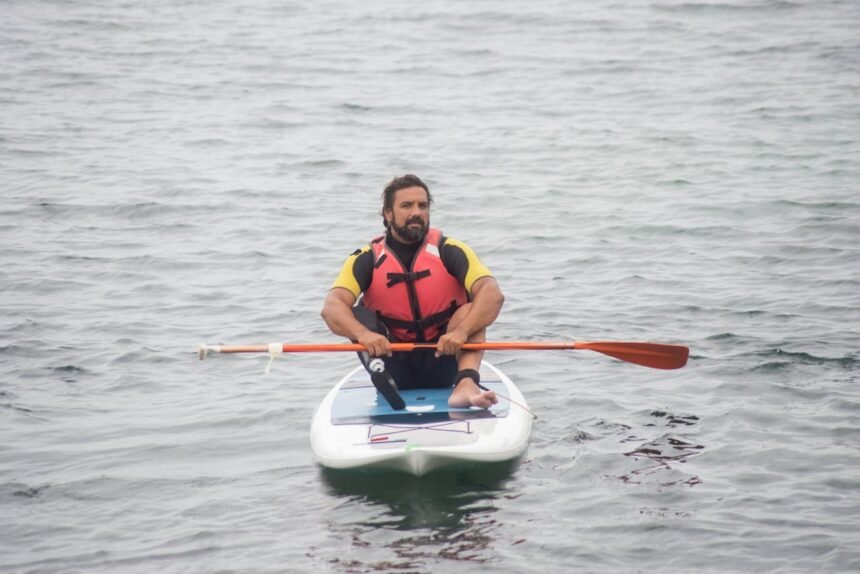
Tired of the monotonous gym routine? Craving an exhilarating workout that connects you with nature while sculpting your physique? Look no further than rowboat fitness. Far more than just a leisurely paddle, rowboat fitness offers a full-body, low-impact workout that engages nearly every major muscle group, enhances cardiovascular health, and provides an unparalleled sense of tranquility and adventure.
This comprehensive guide is designed for absolute beginners, demystifying the world of rowboat fitness workouts. We’ll cover everything from the unique benefits and essential gear to mastering proper technique and structuring your first workouts. Prepare to embark on a fitness journey that’s as rewarding for your body as it is for your mind.
Why Embrace Rowboat Fitness? Unveiling Its Unique Benefits
Before you dip your oars into the water, let’s understand why rowboat fitness stands out as an exceptional choice for your health and well-being.
Full-Body Engagement: A Symphony of Muscles
Unlike many exercises that isolate specific muscle groups, rowing demands coordinated effort from head to toe. It’s a powerful combination of pushing with your legs, engaging your core for stability, pulling with your back and shoulders, and finishing with your arms. This sequential motion creates a dynamic, comprehensive workout. You’ll be strengthening your quadriceps, hamstrings, glutes, lats, rhomboids, biceps, triceps, and abdominal muscles simultaneously. Understanding the muscles involved in rowing highlights why it’s considered one of the most efficient total-body workouts available.
Low-Impact, High-Reward Cardiovascular Workout
For individuals concerned about joint strain, rowboat fitness is a revelation. The fluid motion of rowing puts minimal stress on your knees, hips, and ankles, making it an excellent option for all ages and fitness levels. Despite its low-impact nature, rowing is an incredibly effective cardiovascular exercise. Regular sessions can significantly improve heart health, increase stamina, and boost your endurance, delivering extensive cardiovascular benefits that rival high-impact activities.
Mental Well-being: Nature’s Gym
Beyond the physical, rowboat fitness offers profound psychological advantages. Gliding across open water, surrounded by natural beauty, provides a therapeutic escape from daily stressors. The rhythmic motion of rowing can be meditative, fostering mindfulness and reducing anxiety. The fresh air and sunshine also contribute to a better mood and increased vitality, offering significant mental health advantages that transcend typical gym environments. It’s an opportunity to clear your head, enjoy solitude, or connect with a partner.
Practical Skills and Adventure
Learning to row a boat is a practical skill that opens doors to new adventures. It offers the chance to explore local waterways, discover hidden coves, or simply enjoy a serene paddle on a calm lake. This blend of fitness with exploration makes every workout an engaging experience, preventing the boredom often associated with repetitive exercises.
Getting Started: Essential Gear and Safety
Embarking on your rowboat fitness journey requires a few essentials to ensure both effectiveness and, most importantly, safety.
Choosing Your Vessel: The Humble Rowboat
For beginners, simplicity and stability are key. A traditional wooden or fiberglass rowboat, often found at rental facilities in parks or lakes, is ideal. These boats are generally stable, easy to maneuver, and provide ample space. If considering a purchase, look for models designed for recreational rowing rather than competitive sculling, as they offer greater stability. Always prioritize a well-maintained vessel to ensure a safe and enjoyable experience, adhering to essential boating safety guidelines from reliable sources like the U.S. Coast Guard.
Essential Gear Checklist
- Personal Flotation Device (PFD): Non-negotiable. Always wear a properly fitted PFD, even if you’re a strong swimmer.
- Water Bottle: Staying hydrated is crucial.
- Sun Protection: Hat, sunglasses, and sunscreen are vital for prolonged exposure to the sun.
- Comfortable Clothing: Opt for athletic wear that allows for a full range of motion and dries quickly. Avoid cotton if possible.
- Whistle: For signaling in emergencies.
- Basic First-Aid Kit: For minor cuts or scrapes.
- Mobile Phone (Waterproofed): For emergencies, stored in a dry bag.
Safety First: Before You Push Off
Your well-being is paramount. Always perform these checks:
- Weather Conditions: Check the forecast before heading out. Avoid high winds, storms, or excessively choppy water, especially as a beginner.
- Inform Someone: Let a friend or family member know your float plan – where you’re going, when you expect to return, and with whom.
- Hydration: Ensure you’re well-hydrated before, during, and after your workout. Understanding the critical importance of proper hydration cannot be overstated for physical activity.
- Check Your Boat: Ensure oars are securely in place, the boat is free of leaks, and all safety gear is accessible.
Mastering the Stroke: Proper Rowboat Fitness Technique
Effective rowboat fitness workouts hinge on proper technique. A correct stroke maximizes efficiency, prevents injury, and ensures you get the most out of your effort. While it may feel awkward initially, consistent practice will make it second nature.
The Four Phases of the Rowing Stroke
Think of the rowing stroke as a continuous, fluid motion, broken down into four distinct phases:
The Catch:
- Position: Knees bent, shins vertical, arms extended forward, back straight but slightly leaned forward from the hips. Shoulders relaxed. Oars should be “squared” (blades perpendicular to the water) and just entering the water.
- Action: This is where you connect with the water.
The Drive:
- Position: This is the power phase.
- Action: Initiate with a powerful leg push, driving your feet against the footrest. As your legs extend, hinge back slightly from your hips, and then pull the oars towards your body with your back and arms. The legs, core, and arms should work in a coordinated sequence – legs first, then body swing, then arm pull.
The Finish:
- Position: Legs fully extended, body leaned back slightly (about 10-15 degrees), oars pulled to your lower chest/upper abdomen. Oar blades should be cleanly extracted from the water and “feathered” (blades parallel to the water surface).
- Action: This completes the power stroke.
The Recovery:
- Position: This is the return to the catch position.
- Action: Reverse the drive sequence: extend arms first, then lean forward from the hips, then bend your knees, sliding forward on the seat. The oar blades remain feathered above the water until just before the next catch, when they are squared again.
Focus on connecting these phases smoothly. Many resources, including those from professional rowing organizations, can help you visualize and master the proper rowing technique.
Common Beginner Mistakes to Avoid
- “Arm Rowing”: Relying too much on your arms and upper body. Remember, 60% of the power comes from your legs, 20% from your core, and 20% from your arms/back.
- Hunching: Maintaining a rounded back can lead to injury. Keep your back straight, leaning from the hips.
- Short Strokes: Not fully extending on the recovery or not getting a full compression on the catch reduces the effectiveness of your workout.
- Rushing the Recovery: The recovery phase should be twice as long as the drive phase, allowing your muscles to reset and conserving energy.
Your First Rowboat Fitness Workouts: A Beginner’s Program
Consistency and gradual progression are vital for any fitness routine. Start slow, focus on form, and gradually increase duration and intensity.
Warming Up: Preparing Your Body
Never skip your warm-up! It prepares your muscles for activity, increases blood flow, and reduces the risk of injury. A 5-10 minute warm-up before you start rowing should include light cardio and dynamic stretches. Examples include arm circles, leg swings, torso twists, and a few minutes of light marching or jogging in place before you get in the boat. This ensures your body is ready for the work ahead and highlights the necessity of a thorough warm-up for any exercise.
The Beginner’s Rowboat Workout Structure
Here’s a sample program for your first few weeks. Aim for 2-3 sessions per week, with rest days in between.
| Session Goal | Duration | Focus | Intensity (RPE 1-10) | Notes |
|---|---|---|---|---|
| Week 1: Form & Familiarity | 20-30 minutes | Basic stroke technique, gentle gliding | 4-5 (Conversational) | Prioritize smooth, controlled movements. No need for speed. Practice all 4 phases slowly. |
| Week 2: Endurance Building | 30-40 minutes | Sustained rowing, rhythmic breathing | 5-6 (Slightly harder) | Increase continuous rowing time. Focus on maintaining a consistent pace. Take short breaks if needed. |
| Week 3: Introducing Intervals | 35-45 minutes | Alternating moderate & brisk pace | 6-7 (Challenging bursts) | Row at moderate pace for 5 mins, then brisk for 2 mins (repeat 3-4 times). Finish with moderate pace. |
RPE (Rate of Perceived Exertion) – 1 being very easy, 10 being maximum effort.
Cooling Down: Post-Workout Recovery
Just as important as warming up, a cool-down helps your heart rate return to normal and prevents muscle soreness. Spend 5-10 minutes gently rowing, then perform some static stretches focusing on your hamstrings, quadriceps, glutes, back, and shoulders. This simple routine reinforces the benefits of a cool-down routine for muscle recovery.
Progression: Building Stamina and Strength
As you get stronger and more comfortable, you can gradually increase the duration of your sessions, the intensity of your intervals, or the frequency of your workouts. Listen to your body and adjust as needed, always adhering to the principles of exercise progression to avoid overtraining and injury.
Maintaining Your Rowboat Fitness Journey
Consistency is the secret ingredient to long-term success in any fitness endeavor.
- Listen to Your Body: Rest when needed, and don’t push through sharp pain.
- Stay Varied: While rowing is fantastic, incorporate other activities for balanced fitness.
- Seek Knowledge: Watch videos, read articles, or consider a lesson from an experienced rower to refine your technique.
- Embrace the Outdoors: The unique appeal of rowboat fitness lies in its connection to nature. Enjoy it!
Remember, the goal is not just a great workout but a sustainable, enjoyable path to better health. By making rowboat fitness a regular part of your routine, you’ll unlock the long-term benefits of consistent physical activity, leading to a healthier, happier you.
Frequently Asked Questions (FAQ)
Q1: How often should a beginner do rowboat fitness workouts?
A1: For beginners, 2-3 sessions per week with rest days in between is a great starting point. This allows your body to adapt and recover. As you build stamina, you can gradually increase the frequency.
Q2: What if I don’t have access to a rowboat or suitable water?
A2: While this guide focuses on actual rowboat fitness, an indoor rowing machine (ergometer) offers a very similar full-body workout and is an excellent substitute for practicing technique and building fitness if outdoor access is limited. Many gyms have them, or you can consider purchasing one for home use.
Q3: Is rowboat fitness good for weight loss?
A3: Absolutely! Rowing is a high-calorie-burning exercise that engages many muscles, making it highly effective for weight loss when combined with a healthy diet. The cardiovascular benefits also boost your metabolism.
Q4: Do I need a coach to start rowboat fitness?
A4: While not strictly necessary to start, a session or two with an experienced rowing coach or instructor can be incredibly beneficial. They can provide personalized feedback on your technique, correct common mistakes, and help you develop a more efficient and powerful stroke, potentially preventing injuries down the line.
Conclusion
Rowboat fitness offers a refreshing and holistic approach to well-being, blending the tranquility of nature with an incredibly effective full-body workout. From strengthening major muscle groups and boosting cardiovascular health to enhancing mental clarity, the benefits are undeniable. By understanding the basics of technique, prioritizing safety, and following a progressive workout plan, even complete beginners can confidently embark on this rewarding journey. So, grab your oars, find your nearest waterway, and discover the transformative power of rowboat fitness. Your body and mind will thank you for it.