You are getting ready in the morning, glancing in the mirror, when you notice something on your arm. Is that a new spot? Has that freckle always been that shape?
It is a universal experience to scrutinise our skin and feel a sudden pang of anxiety. In a world where we are constantly reminded of the dangers of UV radiation, spotting a new mark can be unsettling. However, our skin is a living, changing organ, and not every new mark is a cause for alarm.
Most of the time, the spots we see are harmless accumulations of pigment—freckles, moles, or age spots—that pose no threat to our health. Yet, understanding the subtle differences between benign pigmentation and a potentially cancerous lesion is one of the most proactive steps you can take for your well-being.
Early detection is the single most effective tool we have against skin cancer. By arming yourself with knowledge, you transform anxiety into empowerment. This guide breaks down exactly what to look for, helping you distinguish between a harmless freckle and something that requires a professional opinion from a GP or dermatologist.
What Is a Freckle?
To understand the difference between benign spots and cancer, we first need to understand what a freckle actually is. In medical terms, freckles are often referred to as ephelides.
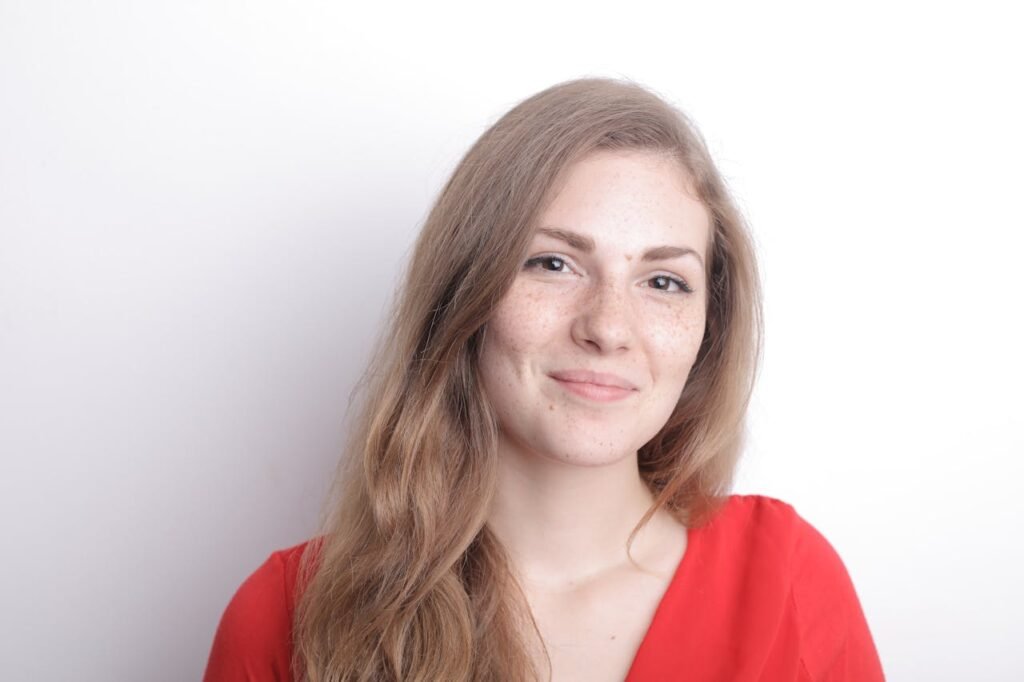
These are small, flat spots that appear on skin that has been exposed to the sun. They are typically tan, reddish, or light brown. Unlike moles, which are often raised, freckles are always flat against the skin.
The driving force behind freckles is melanin. Melanin is the pigment that gives our skin, hair, and eyes their colour. It also acts as your body’s natural sunscreen, protecting deeper layers of skin from harmful ultraviolet (UV) rays.
When your skin is exposed to the sun, your melanocytes (pigment-producing cells) rev up production. In some people, this pigment is distributed evenly, resulting in a tan. In others, particularly those with fair skin and lighter hair, the melanin clumps together in small spots, creating freckles.
It is important to note that freckles themselves are not cancerous and do not become cancerous. However, having a large number of freckles indicates that your skin is highly sensitive to the sun, which is a known risk factor for developing skin cancer later in life. You can learn more about general skin changes on the NHS guide to moles and freckles.
Spotting the Signs: The ABCDE Rule
While freckles are harmless, malignant melanoma—the most serious form of skin cancer—can often masquerade as a new spot or a changing mole. Distinguishing between the two requires vigilance.
Dermatologists worldwide recommend using the ABCDE rule to evaluate any spot on your body. If you notice a spot that exhibits these characteristics, it does not definitely mean you have cancer, but it does mean you should see a doctor immediately.
A for Asymmetry
Benign freckles and normal moles are usually symmetrical. If you were to draw a line down the centre of a freckle, both halves would look roughly the same.
Cancerous spots often lack this symmetry. If one half of the spot looks significantly different from the other—in shape, size, or texture—it is a red flag. Asymmetry suggests that the cells on one side are growing at a different rate than the other, a common trait of malignancy.
B for Border
Take a close look at the edges of the spot. A harmless freckle typically has a smooth, clearly defined border. It separates neatly from the surrounding skin.
In contrast, early-stage melanomas often have irregular, ragged, or blurred borders. The pigment may appear to leak into the surrounding skin, or the edge may look scalloped. According to Cancer Research UK, an uneven border is a primary indicator requiring clinical review.
C for Colour
Freckles are usually a single, uniform shade of tan or light brown. They may darken after sun exposure and fade in the winter, but the colour remains relatively consistent throughout the spot.
Warning signs include multiple colours. If a spot contains a mixture of shades—such as tan, brown, black, red, white, or even blue—it should be checked. This variegated colouring indicates different pigment depths and cellular activity that is not typical of a normal freckle.
D for Diameter
Size matters, but it is not the only factor. Traditionally, doctors warn about spots that are larger than 6 millimetres in diameter (roughly the size of the eraser on the end of a pencil).
However, it is vital to realise that melanomas can be smaller than this when they first appear. A freckle that grows rapidly in size, regardless of whether it has hit the 6mm mark, should be monitored. For a deeper dive into melanoma characteristics, Healthline offers a comprehensive overview.
E for Evolving
This is arguably the most critical factor. Freckles tend to be stable. While they may fade or darken with the seasons, they generally do not change shape or texture abruptly.
Any spot that changes—whether it grows, changes colour, becomes itchy, starts bleeding, or develops a crust—needs professional assessment. Evolution is the hallmark of cancerous growth. If a spot stands out as the “ugly duckling” compared to your other spots, trust your instincts.
Comparison: Freckle vs. Melanoma
The following table outlines the key differences to help you analyse your skin at home.
| Feature | Common Freckle (Ephelides) | Potential Melanoma |
|---|---|---|
| Shape | Round, symmetrical | Asymmetrical, irregular |
| Edges | Smooth, defined border | Blurred, ragged, or notched |
| Colour | Uniform light brown or tan | Mix of brown, black, red, white, or blue |
| Texture | Flat and smooth | Can be raised, scaly, or crusty |
| Sensation | Painless, no sensation | May itch, bleed, or feel tender |
| Evolution | Stable (seasonal fading) | Changes over weeks or months |
| Onset | Usually childhood/adolescence | Can appear at any age |
Risk Factors and Prevention
Understanding who is most at risk can help you prioritise your skin health. While anyone can get skin cancer, certain factors increase the likelihood.
Skin Type and Genetics
People with fair skin that burns easily, red or blonde hair, and light-coloured eyes are at a higher risk. This is because they have less melanin to protect against UV damage. If you have a family history of skin cancer, your risk is also elevated. The British Skin Foundation highlights that genetics play a significant role in susceptibility.
Ultraviolet (UV) Exposure
The majority of skin cancers are caused by exposure to UV light from the sun or sunbeds. This damage is cumulative. The sunburns you received as a child contribute to your risk today.
To mitigate this:
- Use High SPF: Apply a broad-spectrum sunscreen of at least SPF 30 (preferably SPF 50) every day, even when it is cloudy.
- Seek Shade: particularly between 11 am and 3 pm when the sun is strongest.
- Avoid Sunbeds: Artificial UV rays are significantly more intense than natural sunlight and are a major cause of preventable melanoma.
The “Ugly Duckling” Sign
Most of your moles and freckles will look like each other. Dermatologists often use the “Ugly Duckling” method. If you have a spot that looks completely different from your other spots—darker, larger, or just “off”—it is an outlier that requires attention. For visual examples, the Skin Cancer Foundation provides excellent resources on identifying these outliers.
When to See a GP
Do not wait for pain. Skin cancer is rarely painful in its early stages. You should book an appointment with your GP if:
- A new spot appears after age 30.
- A sore does not heal within 4 weeks.
- A spot bleeds, oozes, or crusts over.
- You notice any change based on the ABCDE rule.
Your GP can examine the spot and, if necessary, refer you to a dermatologist for further investigation or a biopsy. According to NICE guidelines, suspected cancer referrals in the UK are prioritised to ensure quick diagnosis.
Frequently Asked Questions
Can a freckle turn into skin cancer?
Generally, no. A normal freckle is not a precursor to cancer. However, having many freckles indicates sun damage, which puts you at higher risk of developing cancer elsewhere on your skin. Some cancers, like lentigo maligna, can resemble large freckles. Information from Macmillan Cancer Support clarifies these distinctions.
Are cancerous spots always raised?
No. While some moles and cancers are raised, many early melanomas are flat, just like a freckle. Do not rely on texture alone; look at colour and shape as well. Refer to the British Association of Dermatologists for detailed patient leaflets.
Does skin cancer itch?
Sometimes, but not always. While itchiness can be a symptom, many cancerous spots are asymptomatic. Visual changes are usually the first sign before any physical sensation occurs. Studies catalogued by PubMed often cite visual irregularity as the primary presentation.
Is it safe to remove a freckle at home?
Absolutely not. Attempting to burn, cut, or freeze a spot off at home is dangerous. Not only can it cause infection and scarring, but if the spot is cancerous, you may remove the visible part while leaving the cancer to spread internally. Always seek professional help. The World Health Organization emphasises professional management of sun-damaged skin.
What happens during a skin check?
A doctor will use a dermatoscope—a special handheld magnifier with a light—to look deep into the pigment layers of your skin. It is a painless and quick procedure that can save your life. Leading institutions like the Mayo Clinic advocate for regular professional screenings.
The Bottom Line
Noticing a new spot on your skin can be frightening, but panic is rarely necessary. Most spots are harmless freckles or moles caused by sun exposure and genetics.
The most powerful tool you have is awareness. By regularly checking your skin and using the ABCDE rule, you can catch irregularities early. Remember, skin cancer is highly treatable when detected in its initial stages.
If you see a spot that is asymmetrical, has an irregular border, contains multiple colours, is growing, or simply looks different from the rest, book an appointment with your GP today. Prioritise your health—it is always better to be safe and get checked.