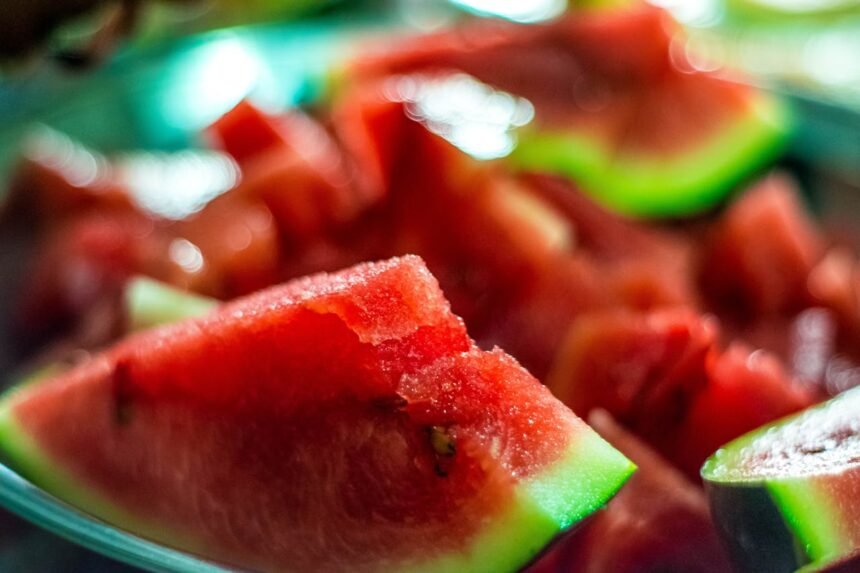
There is something uniquely satisfying about biting into a cold, crisp slice of watermelon on a hot summer day. It is a staple of picnics and barbecues, beloved for its refreshing sweetness and vibrant colour. However, beyond its ability to quench thirst, this fruit holds a treasure trove of nutritional compounds that may play a significant role in maintaining cardiovascular wellness.
Many of us strive to improve our heart health through diet, yet it can be difficult to know which foods offer genuine medicinal benefits and which are merely tasty. You might be surprised to learn that the humble watermelon is more than just sugar and water; it is a functional food packed with specific amino acids and antioxidants that target blood pressure regulation.
Understanding how diet influences our circulatory system is the first step towards a healthier life. In this article, we will explore the science behind watermelon and its potential benefits for your heart, supported by the latest research.
Overview
Watermelon (Citrullus lanatus) is a large, sweet fruit originally from southern Africa. It is related to cantaloupe, squash, pumpkin, and cucumbers. As the name implies, it is incredibly hydrating, consisting of approximately 92% water. This high water content helps keep you hydrated, which is essential for your body to function properly.
However, the remaining 8% is dense with vital nutrients. Watermelon is low in calories but high in vitamins A, C, and B6. Crucially for heart health, it is also a source of potassium and magnesium.
What sets watermelon apart from other fruits is its high concentration of lycopene, the pigment that gives it its red colour, and citrulline, an amino acid. These two compounds are the primary subjects of scientific interest regarding heart disease prevention and blood pressure management.
According to Healthline, incorporating nutrient-dense fruits like watermelon into your diet can be a simple yet effective strategy for improving overall metabolic health.
Symptoms and causes: Understanding Heart Strain and Watermelon’s Role
To understand why watermelon is beneficial, we must first look at the ‘symptoms and causes’ of cardiovascular strain. High blood pressure (hypertension) is often called the ‘silent killer’ because it rarely shows obvious symptoms until significant damage has been done.
One of the main physiological causes of high blood pressure is the stiffening or constriction of blood vessels. When vessels are narrow, the heart must work harder to pump blood, increasing the pressure against arterial walls. This is where the specific components of watermelon intervene.
The Citrulline-Arginine Pathway
Watermelon is the richest known dietary source of an amino acid called citrulline. Your body processes citrulline in a very specific and helpful way:
- Consumption: You eat watermelon, ingesting citrulline.
- Conversion: Your kidneys convert citrulline into another amino acid called arginine.
- Nitric Oxide Production: Arginine is a direct precursor to nitric oxide (NO).
- Vasodilation: Nitric oxide acts as a signalling molecule that tells the tiny muscles around your blood vessels to relax and dilate (widen).
When blood vessels dilate, resistance to blood flow decreases, which can lead to a reduction in blood pressure. A study highlighted by the National Institutes of Health (NIH) found that watermelon extract supplementation reduced ankle blood pressure and brachial blood pressure in adults with prehypertension.
Lycopene and Oxidative Stress
Another cause of heart disease is oxidative stress and inflammation, which can damage blood vessels and lead to plaque build-up.
Watermelon contains high levels of lycopene—actually containing more of this antioxidant than raw tomatoes. Lycopene helps combat free radicals in the body. Research suggests that lycopene may help lower cholesterol and blood pressure, preventing oxidative damage to cholesterol, which is a key step in the development of heart disease.
For more on managing cholesterol levels, Heart UK provides extensive dietary guidelines.

Diagnosis and treatment: Nutritional Profile and Application
While doctors do not ‘prescribe’ watermelon as a medical treatment, nutritionists often diagnose dietary gaps that can be filled by this fruit. If a dietary analysis reveals a lack of potassium or excessive sodium intake, watermelon acts as a corrective functional food.
The Potassium Factor
Potassium is a mineral that plays a vital role in heart function. It helps the body excrete sodium through urine and eases tension in the blood vessel walls.
According to the British Heart Foundation, increasing potassium intake can significantly lower blood pressure in people with hypertension. A wedge of watermelon provides roughly 320 mg of potassium, contributing to your daily requirement without adding excessive calories.
Glycaemic Index vs. Glycaemic Load
A common concern regarding watermelon is its sugar content. It has a high Glycaemic Index (GI) of roughly 72. The GI measures how quickly food raises blood sugar.
However, focusing solely on GI can be misleading. Because the fruit is mostly water, the amount of carbohydrate in a standard serving is quite low. Therefore, its Glycaemic Load (GL)—which accounts for serving size—is low (around 5).
This means that for most people, including those managing pre-diabetes, watermelon does not cause massive blood sugar spikes when eaten in moderation. Diabetes UK confirms that fruits with a high water content are generally safe choices within a balanced diet.
Nutrient Breakdown Table
The following table illustrates the nutritional composition of raw watermelon per 100g serving:
| Nutrient | Amount | % Daily Value (approx) |
|---|---|---|
| Water | 91.4 g | N/A |
| Energy | 30 kcal | 1.5% |
| Carbohydrates | 7.6 g | 3% |
| Sugar | 6.2 g | N/A |
| Fibre | 0.4 g | 2% |
| Potassium | 112 mg | 3% |
| Magnesium | 10 mg | 3% |
| Vitamin C | 8.1 mg | 10% |
| Vitamin A | 28 mcg | 4% |
| Lycopene | 4532 mcg | N/A (High) |
Tips for management
To maximise the heart-health benefits of watermelon, you must know how to select, store, and prepare it effectively. Managing your intake ensures you get the citrulline and lycopene without digestive discomfort.
Selection and Storage
- The Tap Test: Tap the underside of the watermelon. A ripe one will have a deep, hollow sound. A dull thud usually indicates it is over-ripe or dry.
- The Field Spot: Look for a creamy yellow spot on the rind. This is where the melon sat on the ground ripening. If the spot is white or green, it may have been picked too early.
- Weight: It should feel heavy for its size, indicating high water content.
Once cut, store watermelon in the fridge. Interestingly, whole watermelons retain more antioxidants if stored at room temperature, but once sliced, refrigeration is mandatory to prevent bacterial growth. BBC Good Food offers excellent advice on preparation and safety.
Dietary Incorporation
- Smoothies: Blend watermelon with cucumber and mint for a hydrating drink that supports blood pressure regulation.
- Salads: Combine cubes of watermelon with feta cheese and balsamic glaze. The fat in the cheese can actually help your body absorb the lycopene more efficiently.
- Don’t Fear the White Part: The white flesh near the rind contains a higher concentration of citrulline than the red flesh. Consider pickling the rind or adding it to smoothies.
Precautions
While beneficial, some individuals should exercise caution. Watermelon is considered a high-FODMAP food due to its fructose content. For those with Irritable Bowel Syndrome (IBS), it may cause bloating or gas. Furthermore, as noted by the NHS, diet is only one part of managing hypertension; medication should never be stopped without consulting a GP.
Frequently Asked Questions
1. Can eating watermelon seeds affect my heart health?
Yes, in a positive way. Sprouted and shelled watermelon seeds are rich in magnesium, which is crucial for heart function and blood pressure control. They are also a good source of healthy fats and protein.
2. Is it safe to eat watermelon every day?
For the majority of people, yes. It is hydrating and nutrient-dense. However, due to the sugar content, moderation is key. Aim for 1-2 cups per day. The Gov.UK Eatwell Guide recommends a diverse intake of fruits and vegetables rather than relying on a single type.
3. Does yellow watermelon have the same benefits?
Yellow watermelon lacks lycopene, which gives the red variety its colour and antioxidant boost. However, the yellow variety is still rich in citrulline and beta-carotene, so it remains a heart-healthy choice.
4. Can watermelon interact with medication?
Generally, watermelon is safe. However, because it naturally lowers blood pressure, consuming massive amounts while on anti-hypertensive medication could theoretically cause your pressure to drop too low (hypotension). Consult your GP if you are concerned. Information on blood pressure ranges can be found at the Stroke Association.
5. Is watermelon juice as good as the whole fruit?
Juice retains the citrulline and lycopene but loses the small amount of fibre found in the fruit. The sugar concentration is also higher by volume in juice. Eating the whole fruit is generally preferred for blood sugar management.
The bottom line
Watermelon is far more than a refreshing summer treat; it is a functional food with legitimate benefits for cardiovascular health. Its high concentration of citrulline supports nitric oxide production, helping to relax blood vessels, while lycopene combats oxidative stress.
When consumed as part of a balanced diet—such as the DASH diet or the Mediterranean diet—watermelon can be a valuable ally in maintaining healthy blood pressure levels. As always, whole foods should complement, not replace, medical advice or prescribed treatments.
If you are looking to boost your heart health, reach for a slice of watermelon. It is one of the few instances where something that tastes like a dessert is actually working hard to keep your heart strong. For further reading on the benefits of lycopene, Medical News Today offers detailed insights.