Taking proactive steps towards better cardiovascular health is one of the most important investments you can make for your future well-being. With heart disease remaining a significant concern globally, many of us are constantly searching for natural, dietary ways to improve our cardiac function.
While we often hear about the benefits of berries, oats, and oily fish, there is a tropical fruit that deserves a prominent place in your fruit bowl: the guava. This sweet, fragrant fruit is not just a treat for your taste buds; it is a nutritional powerhouse packed with vitamins and minerals that specifically support heart health.
Understanding how diet impacts your body can be empowering. Small changes, such as introducing nutrient-dense fruits like guava, can lead to significant long-term benefits. However, it can be difficult to sift through the noise of nutritional advice to find evidence-based facts.
Research indicates that cardiovascular disease is largely preventable through lifestyle modifications. This article explores the scientific link between guava consumption and heart health, breaking down exactly how this fruit supports your cardiovascular system.
What is guava?
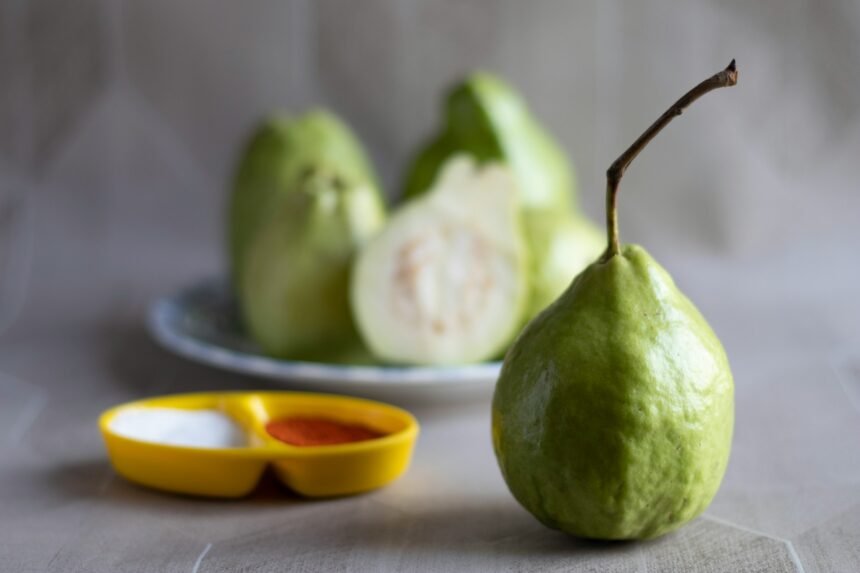
Guava is a tropical fruit native to Central and South America, though it is now grown in warm climates worldwide. Known scientifically as Psidium guajava, the fruit is easily recognised by its yellowish-green skin and vibrant pink or white flesh.
Beyond its unique flavour, which is often described as a cross between a pear and a strawberry, guava is incredibly dense in nutrients. It is particularly renowned for its exceptional Vitamin C content. In fact, a single guava contains four times the amount of Vitamin C found in an orange.
However, it is not just vitamins that make guava special. The fruit is also rich in dietary fibre, potassium, and potent antioxidants. These components work synergistically to maintain various bodily functions, including immune defence and digestion.
When we look at heart health specifically, the combination of these nutrients becomes even more critical. A balanced diet rich in fruits and vegetables is the cornerstone of cardiac care, and guava fits this profile perfectly.
The link between guava and heart health
The connection between guava and a healthy heart is multifaceted. It is not just one nutrient doing the work; rather, it is the combination of antioxidants, vitamins, and minerals that provides a protective effect against cardiac issues.
1. Potassium and blood pressure regulation
High blood pressure, or hypertension, is a major risk factor for heart attacks and strokes. One of the most effective ways to manage blood pressure naturally is by balancing sodium intake with adequate potassium.
Guava is an excellent source of potassium. This mineral helps your body excrete excess sodium and relaxes the tension in your blood vessel walls. By helping to lower high blood pressure, guava reduces the strain on your cardiovascular system.
According to potassium guidelines, increasing your intake of potassium-rich foods can significantly lower systolic blood pressure in people with hypertension.
2. High fibre for cholesterol management
Cholesterol management is another critical aspect of heart health. High levels of LDL (often called “bad” cholesterol) can lead to plaque buildup in the arteries. Guava is rich in soluble fibre, particularly pectin, which plays a vital role in lipid profiles.
Soluble fibre binds to cholesterol in the digestive system, preventing it from being absorbed into the bloodstream. This process helps lower overall cholesterol levels. Increasing your intake of dietary fibre is consistently linked to a reduced risk of heart disease.
3. Antioxidants and oxidative stress
Your heart is vulnerable to oxidative stress, which occurs when there is an imbalance between free radicals and antioxidants in your body. This stress can damage blood vessels and lead to heart disease.
Guava is packed with antioxidants, most notably lycopene and vitamin C. Lycopene is the pigment that gives pink guavas their colour and has been strongly linked to a reduced risk of stroke and heart disease.
Scientific reviews suggest that regular consumption of lycopene-rich foods can improve the function of the endothelium—the inner lining of your blood vessels—promoting better blood flow.
4. Blood sugar control
There is a strong correlation between type 2 diabetes and heart disease. High blood sugar levels can damage blood vessels and the nerves that control your heart. Therefore, maintaining stable blood glucose is essential for cardiac protection.
Guava has a low glycaemic index, meaning it digests slowly and prevents rapid spikes in blood sugar. Furthermore, studies on guava leaf extract have shown promising results in improving insulin resistance and lowering blood sugar levels.
Managing type 2 diabetes effectively through diet is a primary strategy for preventing secondary heart complications.
5. Guava leaf extract benefits
It is not just the fruit that is beneficial. Guava leaf extract is often consumed as a tea or supplement. Research has indicated that the compounds found in the leaves may have an even higher concentration of antioxidants than the fruit itself.
Some studies published in major journals suggest that guava leaf extract can help reduce blood pressure and decrease heart rate, providing a natural aid for cardiovascular stability. You can verify this data through sources like oxidative stress research databases.

Nutrient Comparison: Guava vs. Common Fruits
To understand why guava is considered a superior choice for heart health, it helps to compare it with other common fruits. The table below highlights key heart-healthy nutrients per 100g serving.
| Nutrient | Guava | Orange | Banana | Apple |
|---|---|---|---|---|
| Vitamin C | 228 mg | 53 mg | 8.7 mg | 4.6 mg |
| Potassium | 417 mg | 181 mg | 358 mg | 107 mg |
| Dietary Fibre | 5.4 g | 2.4 g | 2.6 g | 2.4 g |
| Lycopene | High (Pink var.) | None | None | None |
| Calories | 68 kcal | 47 kcal | 89 kcal | 52 kcal |
As the data demonstrates, guava outperforms bananas in potassium content and vastly exceeds oranges in Vitamin C, making it a highly efficient food for nutrient intake.
Tips for including guava in your diet
Incorporating guava into your daily routine is simple. Here are several heart-healthy ways to enjoy this tropical fruit:
- Raw Snack: Simply wash the fruit and eat it whole, skin and seeds included. The skin contains even more Vitamin C than the flesh.
- Smoothies: Blend pink guava with spinach and berries for an antioxidant-rich breakfast drink.
- Salads: Slice guava into a fresh fruit salad or a savoury green salad for a sweet, textural contrast.
- Guava Tea: Steep dried guava leaves in hot water to create a soothing tea that supports blood sugar regulation.
- Jams and Jellies: While delicious, be mindful of added sugars in processed guava products, as excess sugar can negate heart health benefits.
Adhering to the Eatwell Guide recommends eating at least five portions of a variety of fruit and vegetables every day, and guava counts towards this target.
Frequently asked questions
Here are answers to common questions about guava and heart health.
Is it safe to eat guava seeds?
Yes, the seeds are edible and safe to consume. They are high in fibre, which aids digestion and cholesterol management. However, they can be quite hard, so chew them carefully.
Can guava cure high blood pressure?
No single food can “cure” hypertension. However, guava is a beneficial addition to a heart-healthy diet that helps manage blood pressure. It should complement, not replace, medication prescribed by your doctor.
How much guava should I eat per day?
One or two medium-sized guavas count as one of your “5 A Day”. As with any food, moderation is key to maintaining a balanced intake of nutrients.
Is guava juice as good as the whole fruit?
Whole fruit is always preferable to juice. Juice often lacks the fibre found in the skin and pulp, which is essential for slowing sugar absorption and lowering cholesterol. Additionally, commercial juices may contain added sugars.
Are there any side effects?
Guava is generally safe for most people. However, because it is high in fibre, eating too much too quickly may cause temporary digestive bloating. It is also rich in magnesium and fructose, so those with sensitive stomachs should start with smaller portions.
The bottom line
Guava is an exceptional fruit that offers significant benefits for heart health. Its high levels of potassium, soluble fibre, and antioxidants like lycopene and Vitamin C make it a powerful ally in the fight against cardiovascular disease.
Regular consumption may help lower blood pressure, decrease “bad” LDL cholesterol, and improve blood sugar control. While it is not a miracle cure, it fits perfectly into a balanced, heart-conscious lifestyle.
By choosing nutrient-dense foods like guava and following global health recommendations on global health and diet, you can take meaningful steps towards a stronger, healthier heart.
Remember to consult with a healthcare professional before making drastic changes to your diet, especially if you have pre-existing medical conditions. Prioritising whole foods is one of the simplest, most effective ways to protect your heart for years to come.