Prostate health is a significant concern for men, particularly as they age. In the UK, prostate cancer is the most common cancer in men, making awareness and preventative measures absolutely vital. While genetics and age play unavoidable roles, lifestyle choices—especially diet—are factors within your control.
Among the various dietary recommendations, one humble ingredient frequently takes centre stage: the tomato. You may have heard that tomatoes are beneficial for the prostate, but is this merely folklore, or does hard science back it up?
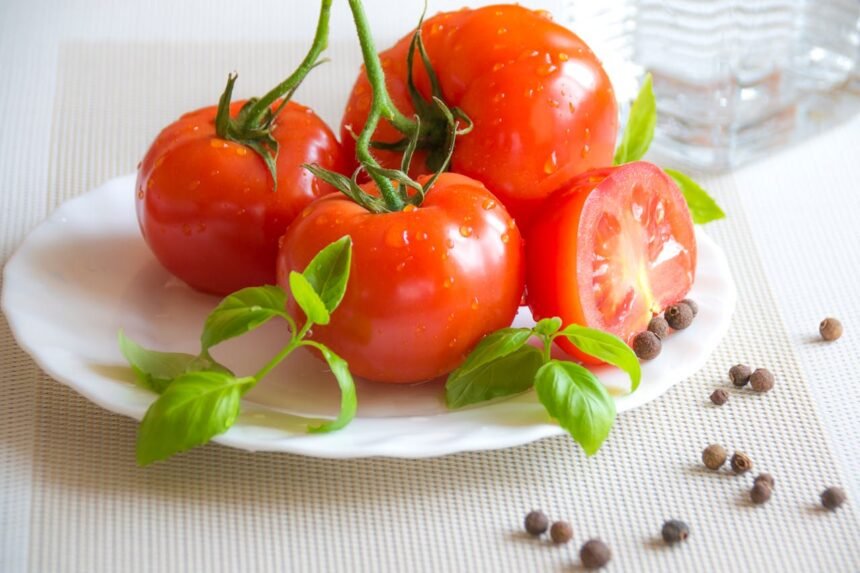
The answer lies in a powerful compound called lycopene. This naturally occurring chemical gives tomatoes their vibrant red colour and serves as a potent antioxidant. Research suggests a strong correlation between high lycopene intake and a reduced risk of developing prostate issues.
This article provides a comprehensive look at the link between tomatoes and prostate health, exploring the science, the best ways to consume them, and how to integrate them into a balanced lifestyle.
Overview
The prostate is a walnut-sized gland located just below the bladder and in front of the rectum. Its primary function is to produce seminal fluid, which nourishes and transports sperm. Unfortunately, it is prone to several conditions, including benign prostatic hyperplasia (BPH), prostatitis, and prostate cancer.
Diet plays a pivotal role in managing systemic inflammation and oxidative stress, two mechanisms that can damage cells and lead to disease. Oxidative stress occurs when there is an imbalance between free radicals (unstable molecules) and antioxidants in your body.
Tomatoes are a dietary powerhouse because they are rich in antioxidants. By neutralising free radicals, the nutrients found in tomatoes may help protect the DNA inside prostate cells from mutation and damage. Understanding this relationship empowers you to make informed decisions about your daily meals.
For a broader understanding of how diet impacts cancer risk, Cancer Research UK offers extensive guidance on healthy eating habits.
Symptoms and causes of prostate issues
To understand why tomatoes help, it is helpful to first understand what goes wrong in the prostate. Issues often manifest through urinary symptoms due to the gland’s proximity to the urethra.
Common Symptoms
Warning signs of prostate problems, particularly BPH or cancer, often include:
- Frequent need to urinate, especially at night (nocturia).
- Difficulty starting or stopping urination.
- Weak or interrupted urine flow.
- Pain or burning during urination.
- Blood in the urine or semen.
It is crucial to realise that these symptoms do not automatically mean cancer; they are often caused by benign enlargement. However, any persistent symptoms should be checked by a GP.
Underlying Causes
The exact causes of prostate cancer are complex, but known risk factors include:
- Age: Risk increases significantly after age 50.
- Ethnicity: Black men have a higher risk than white or Asian men.
- Family History: Genetics play a strong role.
- Diet and Lifestyle: High intake of saturated fats and low intake of fruits and vegetables are associated with higher risks.
Chronic inflammation is also a suspected driver of prostate cancer. This is where the anti-inflammatory properties of tomatoes become relevant. According to the National Health Service (NHS), maintaining a healthy diet is a key step in potentially reducing your risk.
Diagnosis and treatment: Where diet fits in
Medical diagnosis usually involves a PSA (Prostate-Specific Antigen) blood test and a physical examination. If prostate cancer is diagnosed, treatment options range from active surveillance to surgery and radiotherapy.
The Role of Active Surveillance
For low-risk prostate cancer, doctors often recommend “active surveillance.” This involves monitoring the cancer closely without immediate invasive treatment. During this phase, lifestyle modifications are heavily emphasised.
Dietary changes are often the first line of defence for men looking to take an active role in their health during surveillance. Incorporating foods known to support cellular health can provide a sense of agency and physical benefit.
Conventional Treatments and Nutrition
Even for men undergoing radiation or surgery, nutrition remains critical. A body well-nourished with vitamins and antioxidants is better equipped to heal and handle the side effects of treatment. Prostate Cancer UK highlights that while no single food can cure cancer, a balanced diet supports overall well-being during treatment.

The Science: Lycopene and Prostate Health
The star of the show regarding tomatoes and prostate health is lycopene. It is a carotenoid—a type of plant pigment.
How Lycopene Works
Unlike some nutrients that are destroyed by heat, lycopene becomes more bioavailable when tomatoes are cooked. Heat breaks down the cell walls of the tomato, releasing the lycopene and making it easier for your body to absorb.
Studies have shown that lycopene may:
- Inhibit cell proliferation (stop cancer cells from multiplying).
- Induce apoptosis (programmed cell death) in abnormal cells.
- Reduce the levels of inflammatory signals in the body.
Healthline provides an in-depth analysis of lycopene and its potent antioxidant benefits, explaining its broad utility beyond just prostate health.
Fat is Essential for Absorption
Lycopene is fat-soluble. This means your body cannot absorb it efficiently unless it is consumed with a source of dietary fat. Eating plain raw tomatoes might not provide the maximum benefit.
To optimise absorption, tomatoes should be consumed with healthy fats, such as:
- Extra virgin olive oil.
- Avocado.
- Nuts or seeds.
A study referenced by the National Institutes of Health (NIH) indicates that consuming tomato products with oil significantly increases plasma lycopene concentrations.
Beyond Lycopene
Tomatoes are not a one-trick pony. They also contain:
- Vitamin C: Supports the immune system.
- Vitamin K: Essential for bone health.
- Potassium: Helps regulate blood pressure.
- Folate: vital for cell function.
High blood pressure is often a comorbidity for older men, so the potassium content in tomatoes offers a dual benefit.
Tips for management: How to eat more tomatoes
If you want to prioritise your prostate health, aiming for 2–3 servings of cooked tomato products per week is a reasonable goal. However, consistency is key.
Here are actionable tips to increase your intake:
- Choose Processed Over Fresh (Sometimes): Surprisingly, tomato paste, purée, and high-quality tinned tomatoes often have higher lycopene concentrations than fresh tomatoes.
- The “Mediterranean” Approach: Cook tomatoes in olive oil with garlic and onions. This creates a synergy of compounds that boost absorption and health benefits. The British Heart Foundation advocates for the Mediterranean diet as a gold standard for heart and overall health.
- Snack Smart: Drink low-sodium tomato juice as a mid-morning snack.
- Read Labels: When buying jarred sauces, watch out for added sugars and excessive salt. Look for brands where tomatoes are the primary ingredient.
Comparing Lycopene Content
The following table illustrates why processed or cooked tomato products are often superior for lycopene intake.
| Food Item (100g) | Approx. Lycopene Content (mg) |
|---|---|
| Tomato Paste | 42.2 mg |
| Tomato Purée | 21.8 mg |
| Ketchup | 17.0 mg |
| Canned Tomatoes | 10.0 mg |
| Tomato Juice | 9.5 mg |
| Fresh Tomatoes | 3.0 mg |
Note: Values are approximate and vary by brand and ripeness.
Frequently Asked Questions
Can I just take a lycopene supplement?
While supplements are available, nutritionists generally recommend getting nutrients from whole foods. Whole tomatoes contain other compounds that may work synergistically with lycopene. The World Cancer Research Fund suggests that obtaining nutrients from food is superior to relying on supplements for cancer prevention.
Is ketchup a healthy source of lycopene?
Ketchup does contain lycopene, but it is often high in sugar and salt. It should be consumed in moderation. It is better to rely on tomato sauces, soups, or pastes. The NHS Eatwell Guide provides clarity on balancing food groups and limiting sugar.
Are there risks to eating too many tomatoes?
For most people, tomatoes are safe. However, they are acidic and can trigger heartburn or acid reflux in some individuals. If you have kidney issues, you may also need to monitor potassium intake. Consult your GP or a dietitian if you are unsure.
Does organic matter?
Organic tomatoes may have slightly higher antioxidant levels and fewer pesticide residues, but conventional tomatoes are still highly beneficial. The priority should be consumption quantity and regularity rather than strictly organic sourcing.
What other foods help the prostate?
Cruciferous vegetables (broccoli, cauliflower), green tea, and soy products are also linked to prostate health. Harvard Health Publishing notes that a plant-based diet is generally most effective for prostate maintenance.
The Bottom Line
The link between tomato consumption and prostate health is supported by compelling scientific evidence. The antioxidant lycopene, abundant in cooked and processed tomato products, appears to play a protective role against prostate cell damage.
However, no single food is a miracle cure. Tomatoes should be viewed as a valuable component of a broader strategy that includes a balanced diet, regular exercise, and routine medical screenings.
To maximise benefits, focus on cooked tomato products combined with healthy fats like olive oil. By making simple, delicious changes to your weekly menu, you can take a proactive step toward supporting your long-term health.
Always consult a medical professional regarding any concerns about prostate symptoms or significant dietary changes. For further reading on public health guidelines, GOV.UK provides resources on health improvement and disparities.