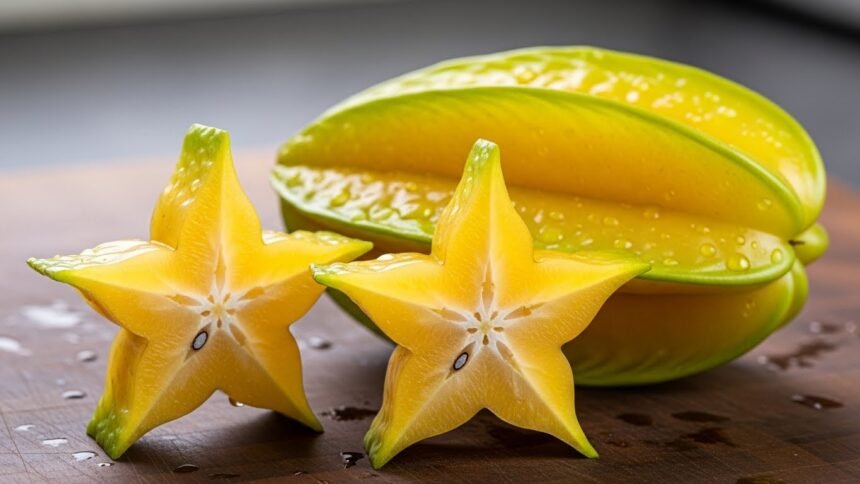
Carambola, more commonly known as star fruit, is a tropical fruit that has gained significant popularity in recent years for its unique shape, crisp texture, and refreshing flavour. Native to Southeast Asia, this fruit earns its name from the distinct five-point star shape formed when it is sliced horizontally.
While it is often used as a decorative garnish in salads and cocktails, star fruit nutrition offers much more than just aesthetic appeal. It is a nutritional powerhouse packed with essential vitamins, minerals, and potent plant compounds that can contribute to a healthy diet.
However, despite its impressive nutrient profile, carambola is not suitable for everyone. Specific compounds found within the fruit can pose serious risks for individuals with kidney conditions.
This article provides a comprehensive analysis of the nutritional profile of carambola, its potential health benefits, and the necessary precautions you should take before adding it to your diet.
Nutritional Breakdown of Carambola
Star fruit is exceptionally low in calories yet surprisingly dense in fibre and vitamin C. This makes it an excellent choice for those looking to manage their weight without sacrificing nutritional intake. The fruit consists primarily of water, which accounts for approximately 91% of its composition, providing hydration alongside nutrients.
Here is the nutritional breakdown for a standard 100-gram serving (roughly one medium-sized fruit) based on data from the USDA FoodData Central:
| Nutrient | Amount | % Daily Value (DV) |
|---|---|---|
| Calories | 31 kcal | – |
| Carbohydrates | 6.7 g | – |
| Dietary Fibre | 2.8 g | 10% |
| Protein | 1 g | – |
| Vitamin C | 34.4 mg | 52% |
| Copper | 0.14 mg | 6% |
| Potassium | 133 mg | 3% |
| Folate (B9) | 12 mcg | 3% |
| Pantothenic Acid (B5) | 0.39 mg | 4% |
Vitamin C and Immunity
One of the most striking aspects of star fruit nutrition is its high vitamin C content. A single medium fruit provides roughly half of your daily requirement. Vitamin C is a powerful antioxidant that protects your cells against oxidative stress and is crucial for the synthesis of collagen, a protein vital for skin, bone, and joint health.
Furthermore, adequate vitamin C intake is essential for the proper functioning of the immune system, helping the body ward off infections and repair tissues effectively. For more on the vital roles of this nutrient, you can refer to the National Institutes of Health (NIH) fact sheet.
Dietary Fibre for Digestion
Fibre is a cornerstone of metabolic health. Carambola is a good source of insoluble fibre, which adds bulk to stool and facilitates regular bowel movements. Consuming adequate fibre is also associated with a lower risk of heart disease and type 2 diabetes.
Beneficial Plant Compounds
Beyond basic vitamins and minerals, star fruit is a rich source of healthy plant compounds known as phytochemicals. These biologically active substances are responsible for many of the fruit’s antioxidant properties.
Research indicates that carambola contains high levels of quercetin, gallic acid, and epicatechin. These compounds have been studied for their ability to combat oxidative stress and reduce inflammation in the body.
Antioxidant Capacity
The antioxidants found in carambola help neutralise free radicals—unstable molecules that can damage cells and contribute to chronic diseases such as cancer and heart disease. According to a study published in PubMed, the phenolic compounds in star fruit demonstrate significant scavenging activity against free radicals, potentially delaying the ageing process at a cellular level.
Anti-Inflammatory Effects
Chronic inflammation is a root cause of many modern ailments. The sugars in star fruit are relatively low, and its high flavonoid content may help reduce inflammatory markers in the body. Preliminary animal studies suggest that the anti-inflammatory properties of carambola leaves and fruit may be effective in treating skin disorders, though more human research is needed in this specific area.
Potential Health Benefits
Given its impressive nutritional profile, incorporating star fruit into a balanced diet may offer several health advantages.
1. Supports Heart Health
The combination of potassium and fibre in star fruit contributes to cardiovascular health. Potassium is an electrolyte that helps regulate blood pressure by counteracting the effects of sodium. The British Heart Foundation highlights that getting enough potassium from fruit and vegetables is key to maintaining healthy blood pressure levels.
Additionally, the soluble fibre in the fruit can help reduce low-density lipoprotein (LDL), often referred to as “bad” cholesterol, thereby reducing the risk of atherosclerosis.
2. Aids in Weight Management
For those watching their caloric intake, carambola is an ideal snack. With only roughly 30 calories per fruit and high water content, it is filling without being energy-dense. The fibre content promotes satiety, reducing the likelihood of overeating.
3. Blood Sugar Regulation
Despite being a fruit, carambola has a low impact on blood sugar levels. The fibre slows down the absorption of carbohydrates, preventing rapid spikes in glucose. This makes it a generally safe fruit option for individuals with diabetes, provided kidney function is normal. For guidance on fruits and glycaemic index, Diabetes UK offers excellent resources.
Safety and Precautions: Who Should Avoid It?
While star fruit nutrition is beneficial for most, it poses a severe, potentially life-threatening risk to a specific subset of the population. This section is critical.
Kidney Toxicity (Caramboxin)
Star fruit contains a neurotoxin called caramboxin. Under normal circumstances, healthy kidneys filter this toxin out of the body, and it passes harmlessly in urine. However, for individuals with chronic kidney disease (CKD) or kidney failure, the body cannot clear this toxin.
When caramboxin accumulates in the blood, it can cross the blood-brain barrier and cause neurotoxicity. Symptoms include:
- Hiccups (often the first sign)
- Mental confusion
- Seizures
- Coma
- In severe cases, death
The National Kidney Foundation explicitly advises anyone with kidney issues to avoid star fruit entirely.
Oxalate Content
In addition to caramboxin, star fruit is very high in oxalates. Oxalates can bind with calcium to form kidney stones. Even for individuals with healthy kidneys, consuming excessive amounts of star fruit juice on an empty stomach has been linked to acute kidney injury due to oxalate nephropathy. A report in PubMed details instances of oxalate-induced renal failure associated with excessive consumption.
Drug Interactions
Much like grapefruit, star fruit can interact with certain medications. It contains substances that inhibit the CYP3A4 enzyme, which is responsible for metabolising many drugs in the liver. This can lead to higher, toxic levels of the medication remaining in your system. If you are taking statins, anti-anxiety medication, or immunosuppressants, consult the MedlinePlus database or your GP before eating carambola.
How to Select and Eat Star Fruit
If you have healthy kidneys and are looking to enjoy this fruit, preparation is simple. Star fruit does not need to be peeled.
Selection Tips:
- Look for skin that is bright yellow. A little green on the ridges indicates it is slightly unripe but will ripen at home.
- Brown spots on the ridges are normal and usually indicate the fruit is fully ripe and sweet.
- Avoid fruit that is shrivelled or has large soft spots.
Preparation:
- Rinse the fruit thoroughly under running water.
- Cut off the ends.
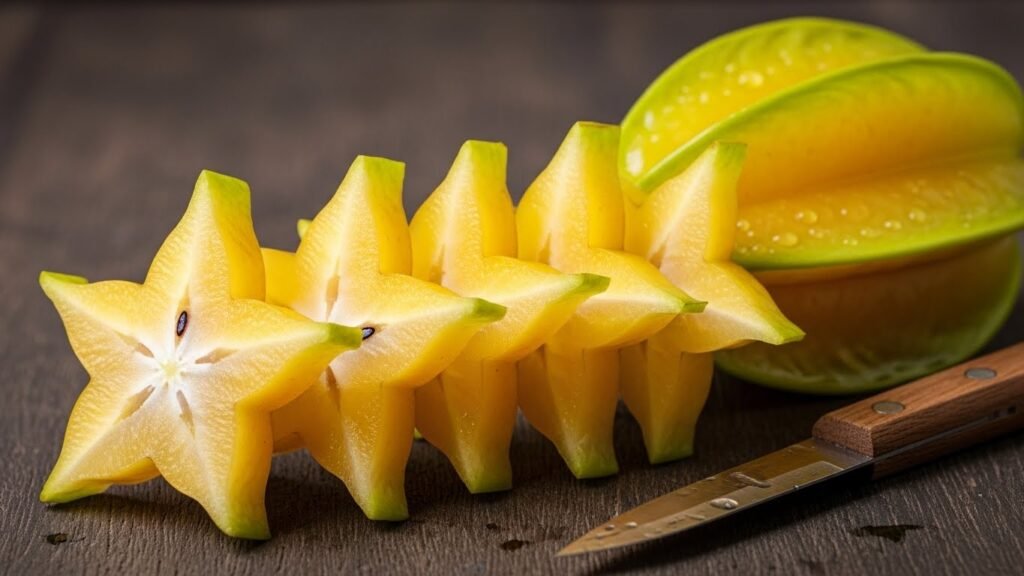
- Slice the fruit horizontally to create the signature star shapes.
- Remove the seeds with the tip of a knife or spoon.
It can be eaten raw, added to smoothies, or used as a tart ingredient in savoury dishes like curries. For more creative ways to include fruits in your diet, you can explore general tips on Healthline.
The Bottom Line
Carambola is a delicious, low-calorie fruit that boasts an impressive nutritional profile. Star fruit nutrition is highlighted by high levels of vitamin C, fibre, and beneficial antioxidants like quercetin and gallic acid. It supports immune function, aids digestion, and may contribute to heart health.
However, the risks for individuals with kidney disease cannot be overstated. The presence of caramboxin and high oxalate levels makes this fruit dangerous for anyone with compromised renal function. Furthermore, potential drug interactions mean you should check with a healthcare provider if you are on regular medication.
For most healthy adults, star fruit is a safe, hydrating, and exotic addition to the diet. As with all foods, moderation is key. By understanding the balance of benefits and risks, you can make an informed decision about including this unique fruit in your nutritional plan.
This article is for informational purposes only and does not constitute medical advice. Always consult a healthcare professional before making significant changes to your diet, especially if you have pre-existing health conditions.