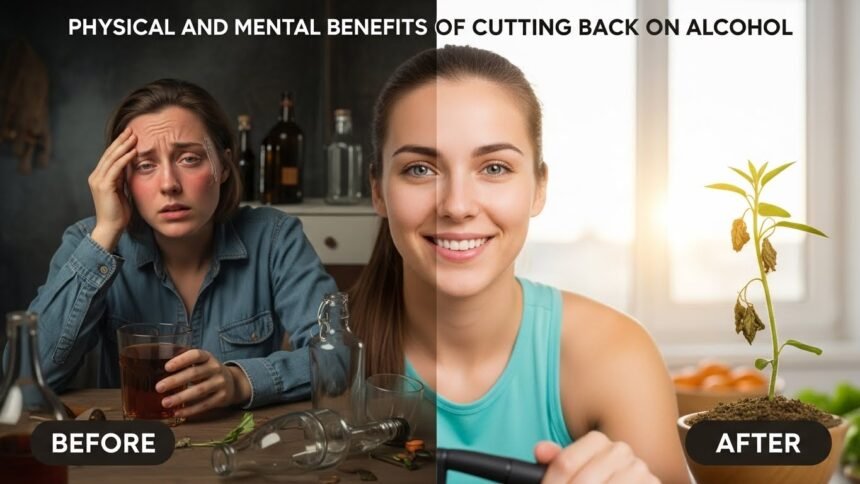
Many of us enjoy a glass of wine after a long day or a pint at the pub with friends. Alcohol is deeply woven into the fabric of social life in the UK. However, recent trends show a shifting perspective. From “Dry January” to the rising “sober curious” movement, more people are re-evaluating their relationship with alcohol.
You do not necessarily need to have a dependency issue to benefit from cutting back. Even a moderate reduction in intake can trigger profound improvements in your physical health and mental wellbeing. Whether you are aiming for total abstinence or simply looking to adhere to NHS guidelines on lower-risk drinking, the body has an incredible capacity to repair itself once the constant stream of toxins is reduced.
Understanding exactly what happens physiologically and psychologically when you put down the glass can be a powerful motivator. This article explores the evidence-based benefits of reducing your alcohol consumption, offering a detailed look at how your body and mind recover.
What Is “Cutting Back”?
Cutting back refers to reducing your alcohol intake below your current levels, ideally aligning with or staying below the recommendations set by the Chief Medical Officers. According to Gov.uk, to keep health risks low, it is safest not to drink more than 14 units a week on a regular basis.
This isn’t just about avoiding a hangover. It is about allowing your metabolic and neurological systems to reset. Alcohol is a toxin that every organ in your body must work to process. When you reduce this load, you free up energy for restoration and maintenance.
Physical Health Improvements
The physical benefits of reducing alcohol are often the first changes people notice. The timeline of recovery begins almost immediately after your last drink.
1. Liver Function and Regeneration
Your liver is the primary organ responsible for processing alcohol. When you drink, your liver prioritises breaking down the ethanol over other vital functions, such as regulating blood sugar and breaking down fat. Over time, excessive drinking leads to a buildup of fat in the liver cells, a condition known as fatty liver disease.
The good news is that the liver is remarkably resilient. Cutting back can halt or even reverse this damage. According to Healthline, abstinence allows the liver to focus on regeneration, reducing inflammation and lowering the risk of cirrhosis and fibrosis. Within weeks of reducing intake, liver enzyme levels often return to normal ranges.
2. Enhanced Sleep Quality
A common myth is that alcohol helps you sleep. While it may act as a sedative to help you drift off, it severely disrupts the quality of your rest. Alcohol interferes with the Rapid Eye Movement (REM) stage of sleep, which is crucial for cognitive processing and emotional regulation.
When you cut back, your sleep architecture normalises. You may find you wake up less frequently during the night and feel more refreshed in the morning. The Sleep Foundation highlights that removing alcohol leads to more restorative sleep cycles, improving daytime alertness and concentration.
3. Weight Management and Metabolism
Alcohol is often described as providing “empty calories” because it offers energy without nutritional value. A standard glass of wine can contain as many calories as a piece of chocolate, and a pint of lager can be equivalent to a slice of pizza. Furthermore, when alcohol is present in the bloodstream, your body stops burning fat to focus on metabolising the alcohol.
By reducing your intake, you naturally reduce your caloric load. Resources from Drinkaware suggest that for regular drinkers, cutting out alcohol is one of the most effective ways to lose visceral fat (belly fat), which is linked to type 2 diabetes and heart disease.
4. Cardiovascular Health
Long-term heavy drinking weakens the heart muscle and raises blood pressure. It can lead to cardiomyopathy and arrhythmias. However, the cardiovascular system responds positively to a reduction in alcohol.
The British Heart Foundation notes that cutting down can help lower blood pressure and reduce the level of triglycerides (fat) in your blood. This significantly lowers your risk of stroke and heart failure over time.
5. Reduced Cancer Risk
Alcohol is a powerful carcinogen. It is linked to several types of cancer, including mouth, throat, oesophageal, liver, breast, and bowel cancer. The risk increases with the amount of alcohol consumed.
Research published by Cancer Research UK indicates that there is no completely “safe” level of drinking regarding cancer risk, but cutting back significantly lowers the statistical likelihood of developing these diseases. Reducing intake is a proactive step in long-term preventative health care.

Mental and Emotional Well-being
While the physical benefits are tangible, the mental shifts are often profound. Alcohol is a depressant that alters brain chemistry, affecting neurotransmitters like serotonin and dopamine.
1. Alleviating “Hangxiet”
Many people experience a surge of anxiety the day after drinking, colloquially known as “hangxiety.” This happens because alcohol suppresses the nervous system; when it wears off, your system rebounds into a state of hyperactivity. By cutting back, you stabilise your levels of glutamate (an excitatory neurotransmitter) and GABA (an inhibitory neurotransmitter), leading to a calmer baseline mood.
2. Mood Stability
Regular drinking can mimic or exacerbate symptoms of depression. It can create a cycle where you drink to relieve stress, only to feel more stressed as the chemical effects wear off. The Mental Health Foundation explains that reducing alcohol intake can lead to clearer thinking, better mood regulation, and improved resilience against daily stressors.
3. Cognitive Clarity
Brain fog is a common side effect of regular drinking. Over time, alcohol can shrink the hippocampus, the area of the brain related to memory and learning. Cutting back allows the brain to repair structural damage, resulting in sharper focus, better memory retention, and improved problem-solving skills.
Timeline of Benefits: What to Expect
To help you visualise the journey, here is a breakdown of the changes your body goes through when you stop or significantly reduce drinking.
| Time Since Last Drink | Physical and Mental Changes |
|---|---|
| 24 Hours | Your blood sugar levels normalise. The “brain fog” begins to lift as dehydration is corrected. |
| 1 Week | Sleep patterns improve, leading to more energy. You may notice your skin looks more hydrated and less puffy. |
| 1 Month | Liver fat reduces by up to 15%. Blood pressure drops. Many people report significant weight loss and clearer skin. |
| 3 Months | Red blood cells renew, boosting energy levels. Mental health improves significantly with reduced anxiety. |
| 1 Year | Risk of liver disease, heart disease, and various cancers is substantially reduced. Bone density may improve. |
Practical Tips for Cutting Back
Reducing alcohol doesn’t mean you have to lose your social life. Here are actionable steps to help you manage your intake.
- Track Your Units: Use an app or a diary to record exactly how much you are drinking. We often underestimate our consumption.
- Drink-Free Days: Designate at least three consecutive days a week as alcohol-free. This gives your liver a chance to rest.
- Find Alternatives: The market for alcohol-free spirits and beers has exploded. These can satisfy the ritual of having a drink without the intoxication.
- Identify Triggers: Notice what makes you reach for a glass. Is it stress? Boredom? Finding alternative coping mechanisms, like exercise or reading, is vital.
- Eat Before You Drink: Drinking on an empty stomach increases the rate of alcohol absorption. Eating a healthy meal first slows this process.
According to Diabetes UK, being mindful of the sugar content in mixers is also essential, as this often compounds the negative health effects of the alcohol itself.
Frequently Asked Questions
Is it dangerous to stop drinking suddenly?
If you are dependent on alcohol, stopping suddenly (“cold turkey”) can be dangerous due to withdrawal symptoms. If you experience shaking, sweating, or confusion when you stop, you should seek medical advice immediately. Mind offers resources on how to access safe support for withdrawal.
Can I just switch to “lighter” drinks?
Switching to lower-alcohol beverages can help reduce your total unit intake, but it is not a magic cure if you simply drink more of them. Volume matters as much as strength. Awareness of the Alcohol by Volume (ABV) percentage is key to genuinely reducing intake.
Will my social life suffer?
This is a common fear, but many find their social connections deepen when they are fully present. Activities that don’t revolve around pubs—like hiking, coffee, or cinema trips—can replace drinking sessions. Furthermore, the BBC has reported extensively on the shift in British culture towards more health-conscious socialising, making it easier than ever to order a lime and soda without judgment.
The Bottom Line
Cutting back on alcohol is one of the most impactful decisions you can make for your long-term health. The benefits extend far beyond avoiding a hangover; they include a stronger heart, a regenerated liver, a clearer mind, and a more stable mood.
You do not need to aim for perfection immediately. Small, consistent changes to your drinking habits can yield significant results. Whether you choose to designate alcohol-free days or switch to lower-strength alternatives, your body will thank you for the break.
If you find it difficult to cut down, remember that support is available. Prioritising your health is a journey, and every step towards moderation is a step towards a vibrant, healthier version of yourself.