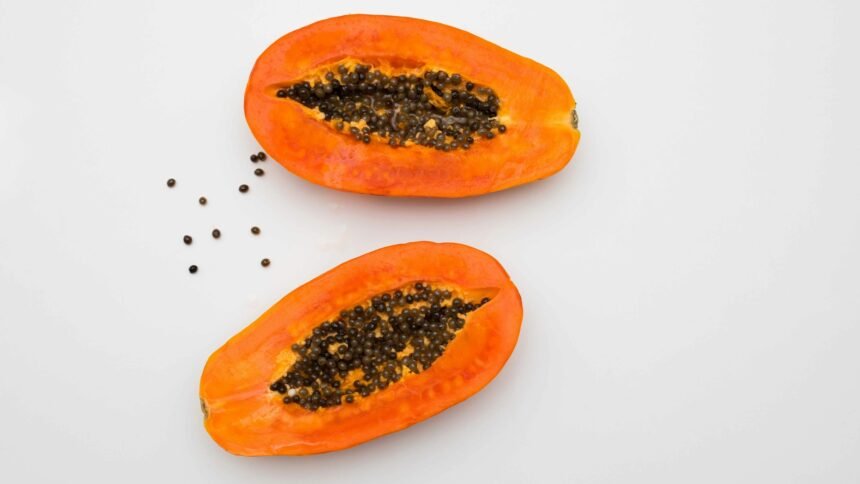
While the vibrant, orange flesh of the papaya is a staple in fruit bowls across the globe, the large, palmate leaves of the Carica papaya tree are often discarded. However, emerging research suggests these leaves harbour powerful medicinal properties that may rival the fruit itself.
Native to Mexico and parts of South America, the papaya plant has been utilised in traditional folk medicine for centuries. Today, papaya leaf extract is gaining significant traction in the United Kingdom and Europe as a versatile health supplement. It is widely available in various forms, including teas, juices, tablets, and concentrated extracts.
From supporting blood sugar management to improving digestive health, the potential applications are vast. Perhaps most notably, it has garnered attention for its ability to increase platelet counts, particularly in those recovering from viral infections.
In this article, we explore the science-backed benefits, potential side effects, and proper usage of papaya leaf extract.
What Is Papaya Leaf Extract?
Papaya leaf extract is derived from the leaves of the Carica papaya tree. Unlike the sweet fruit, the leaves contain unique plant compounds that offer a distinct nutritional profile. They are rich in phytonutrients, including flavonoids and alkaloids, which act as antioxidants in the body.
One of the most significant components found in the leaves is papain. This is a proteolytic enzyme, meaning it helps break down proteins into smaller protein fragments called peptides and amino acids. Another key enzyme is chymopapain, which also aids digestion and reduces inflammation.
Beyond enzymes, papaya leaves are a dense source of vitamins and minerals. They contain high levels of Vitamin C, Vitamin A, and Vitamin E, which are essential for maintaining a robust immune system.
Research indicates that the concentration of these beneficial compounds can vary depending on how the extract is prepared. For instance, cold-pressed juice may retain different enzymatic activity compared to dried leaf tea or ethanol-based tinctures. Regardless of the form, the extract is celebrated for its potential to support the body’s natural defence mechanisms.
5 Potential Health Benefits
While research is ongoing, several studies have highlighted promising health benefits associated with consuming papaya leaf extract.
1. May Treat Symptoms Related to Dengue Fever
The most prominent and well-researched benefit of papaya leaf extract is its ability to treat symptoms associated with dengue fever. Dengue is a mosquito-borne virus that can cause severe flu-like symptoms, including high fever, fatigue, and skin rashes.
A critical complication of severe dengue is thrombocytopenia, or a dangerously low level of platelets in the blood. Platelets are crucial for blood clotting. If levels drop too low, it can lead to internal bleeding and be potentially fatal.
According to the NHS, there is no specific medicine to treat symptoms of dengue fever, making supportive care vital. Several studies have shown that papaya leaf extract can significantly increase blood platelet levels in patients infected with the virus.
Although it does not kill the virus itself, the extract helps manage this dangerous symptom, reducing the need for hospitalisation in some cases. It is now widely used in tropical regions as a standard complementary therapy for dengue recovery.
2. May Promote Balanced Blood Sugar
Papaya leaf extract is often used in traditional Mexican medicine as a natural therapy for treating diabetes and improving blood sugar control.
Studies in animal models have found that the extract has potent antioxidant and blood-sugar-lowering effects. This is attributed to its ability to protect insulin-producing cells in the pancreas from damage and premature death.
For those trying to manage blood glucose levels, incorporating natural antioxidants can be a helpful strategy. However, human research is still limited.
While the initial findings are promising, it is essential to consult with a healthcare professional before replacing any prescribed diabetes medication with herbal supplements.
3. May Support Digestive Function
Digestive issues such as bloating, gas, and heartburn are common complaints that can impact quality of life. Papaya leaf extract contains high amounts of papain, an enzyme that assists in the breakdown of large proteins.
When proteins are not digested properly, they can ferment in the gut, leading to discomfort and digestive distress. By supplementing with papain-rich extracts, you may improve the efficiency of your digestion.
A study published in the British Journal of Nutrition highlighted the role of digestive enzyme function in alleviating symptoms of constipation and bloating in people with irritable bowel syndrome (IBS).
Furthermore, the leaves contain fibre, which supports healthy bowel movements. This dual action of enzymatic breakdown and fibre content makes it a popular remedy for general digestive health.
For a broader look at the general health benefits of papaya fruit and its enzymes, many of the same principles apply to the leaf extract, often in more concentrated forms.
4. May Have Anti-Inflammatory Effects
Chronic inflammation is at the root of many diseases, including arthritis, heart disease, and certain cancers. The rich array of nutrients and plant compounds in papaya leaves demonstrated significant anti-inflammatory properties in various test-tube and animal studies.
One study specifically looked at the extract’s ability to reduce inflammatory markers such as IL-6 and TNF-alpha. By suppressing these inflammatory cytokines, papaya leaf extract may help reduce systemic inflammation.
This could potentially benefit conditions like rheumatoid arthritis or skin rashes. While more human trials are needed, the high antioxidant content suggests it plays a role in oxidative stress reduction, helping to neutralise harmful free radicals in the body.
5. May Support Hair and Skin Health
Topical applications and oral consumption of papaya leaf extract are becoming popular in the beauty industry. The high levels of Vitamin C and Vitamin A are vital for maintaining healthy skin.
The enzyme papain can act as an exfoliant, removing dead skin cells and potentially reducing the occurrence of clogged pores and acne.
Regarding hair health, oxidative stress is a known factor in hair loss. By eating antioxidant-rich foods, you may support the body’s cardiovascular system support which in turn ensures good blood flow to the scalp. Some animal studies also suggest that certain compounds in the leaves may stimulate hair follicle growth, although this has not yet been conclusively proven in human clinical trials.
Nutritional Comparison
To understand why the leaf is valued differently from the fruit, consider the primary active components found in the extract.
| Component | Primary Benefit | Presence in Extract |
|---|---|---|
| Papain | Breaks down proteins; aids digestion | High |
| Chymopapain | Reduces inflammation; aids digestion | High |
| Alkaloids (Carpaine) | Potential anti-bacterial properties | Moderate |
| Flavonoids | Antioxidant effects; immune support | High |
| Vitamin C | Collagen production; immunity | Moderate to High |
| Phenolic Compounds | Antioxidant activity | High |
Potential Side Effects and Precautions
While papaya leaf extract is generally considered safe for most people, there are important safety considerations to keep in mind.
Allergies: People with a latex allergy may also be allergic to papaya because it contains enzymes called chitinases. This can cause a cross-reaction known as the latex-fruit syndrome.
Pregnancy: Pregnant women should exercise caution. While ripe papaya fruit is generally safe, unripe papaya and high concentrations of papaya leaf may stimulate uterine contractions. It is best to avoid papaya supplements during pregnancy unless advised otherwise by a doctor.
Interactions: Because of its potential to lower blood sugar, taking papaya leaf extract alongside diabetes medications could cause hypoglycemia (low blood sugar).
In the UK, the regulation of supplements falls under the Food Standards Agency. It is crucial to purchase products that comply with novel food supplements regulations to ensure purity and safety.
Frequently Asked Questions
How should I take papaya leaf extract?
It is available as capsules, juices, or teas. The dosage varies by manufacturer. For dengue support, fresh juice is often used, whereas capsules are preferred for general digestion. Always follow the label instructions.
Can I make papaya leaf tea at home?
Yes. You can wash fresh papaya leaves thoroughly, chop them, and boil them in water until the liquid reduces by half. Strain the leaves and drink the extract. However, the taste is notably bitter.
Is it safe to take every day?
Short-term use is generally safe. Long-term safety data is limited. If you experience any nausea or allergic reactions, discontinue use immediately.
Does it taste like papaya fruit?
No. The leaves contain bitter alkaloids and do not possess the sweet, tropical flavour of the fruit. Many manufacturers blend the extract with other flavours to make it more palatable.
The Bottom Line
Papaya leaf extract is a powerful natural supplement with a history rooted in traditional medicine. Modern science is beginning to back up these claims, particularly regarding its ability to boost platelet counts in dengue fever patients and support digestive health through enzymatic action.
While it shows promise for blood sugar management and inflammation, more robust human clinical trials are needed to fully understand its long-term effects.
If you are considering adding this extract to your wellness routine, prioritise high-quality products from reputable sources. Always consult with a GP or healthcare provider before starting any new supplement, especially if you are pregnant, have a medical condition, or are taking prescription medication.
Ultimately, papaya leaf extract represents a fascinating intersection of ancient wisdom and modern nutritional science, offering a natural way to support your body’s daily functions.