Peanuts are among the most versatile staples in pantries worldwide, prized for their rich flavour and impressive nutritional profile. However, not all peanuts are sold in the same state. While many of us are accustomed to seeing them in their shells or roasted with their red skins intact, blanched peanuts offer a unique texture and culinary utility that sets them apart.
Blanching is a food processing technique that involves briefly scalding a vegetable or nut in boiling water or steam. For peanuts, this process is primarily used to remove the thin, reddish-brown skin that encases the kernel. The result is a smooth, creamy-white nut that is softer and often preferred for making peanut butter, baking, and cooking savoury dishes.
Understanding the nuances of blanched vs raw peanuts is essential for any home cook or health enthusiast. While the skin contains certain nutrients, removing it can alter the digestive experience and the aesthetic of your final dish. Whether you are making peanut butter from scratch or looking for high-protein vegan snacks, blanched peanuts are a fantastic option.
In this article, we will explore the science behind blanching, how to do it at home, and the specific health and culinary benefits this process provides.
What Are Blanched Peanuts?
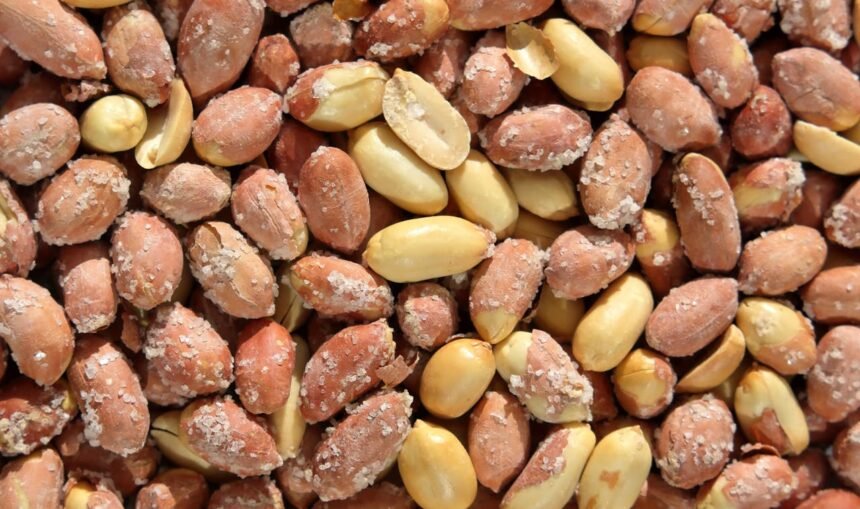
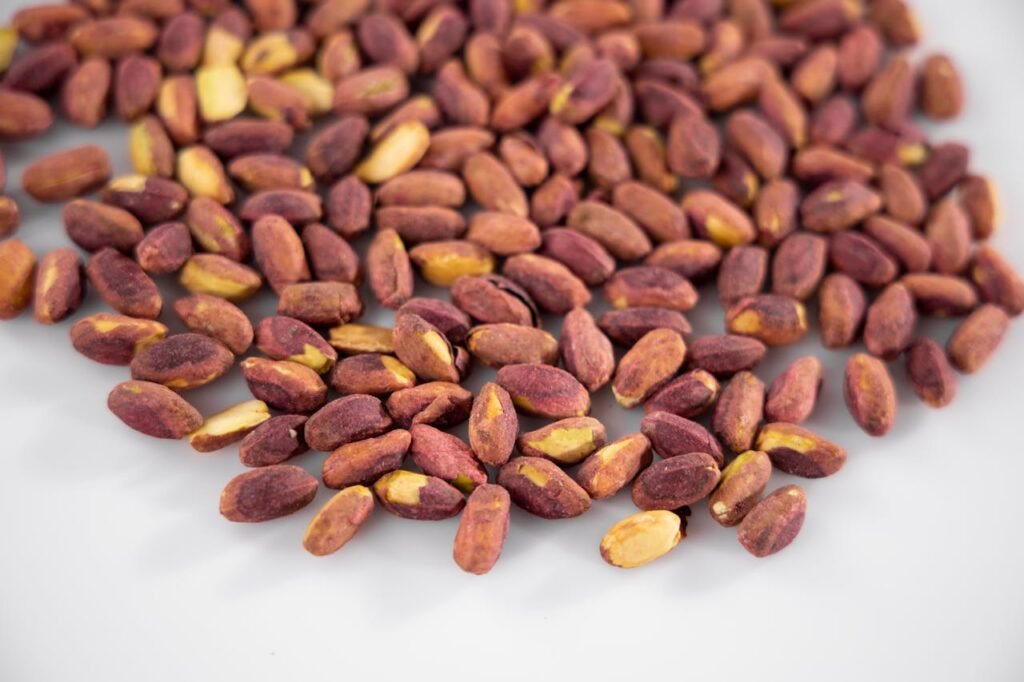
Technically, a blanched peanut is one that has had its skin removed through a heat process, though the nut remains effectively raw (unless subsequently roasted). The blanching process does more than just change the colour; it alters the texture slightly, making the nut somewhat softer and less bitter than its red-skinned counterpart.
While some varieties, such as those discussed in A Guide to Valencia Peanuts: Sweetness and Nutrition Profile, are famous for their sweet red skins, there are many recipes where the skin is undesirable. For instance, in light-coloured confectioneries or smooth sauces, the flecks of skin can be distracting.
It is important to note that blanching is distinct from roasting. Roasting involves dry heat to cook the nut through, whereas blanching is a surface treatment. However, you will often find roasting blanched peanuts is the next step in many recipes to enhance the crunch and flavour depth.
The Blanching Process Explained
Commercially, peanuts are blanched using large-scale machinery that uses heat and friction. However, learning how to blanch peanuts at home is a useful skill that requires nothing more than a pot of water and a keen eye.
The Boiling Water Blanching Method
The most common technique for home cooks is the boiling water blanching method. This involves submerging shelled raw peanuts in boiling water for about three minutes. This brief exposure to intense heat loosens the skin without fully cooking the kernel inside. After boiling, the peanuts are immediately plunged into an ice bath to stop the cooking process.
Removing Peanut Skins Easily
Once the peanuts are cool, the skins should slip off with minimal effort. Removing peanut skins easily is achieved by rubbing the nuts between your fingers or rolling them gently between two kitchen towels. This method is one of the fundamental legume preparation techniques that can also be applied to almonds and hazelnuts.
If you are growing your own supply, utilizing Essential Peanut Harvesting Tools for Small-Scale Growers ensures you have high-quality raw kernels ready for this process. Furthermore, if you are interested in the agricultural side, understanding the source is key. You might consider reading about Growing Your Own: Best Practices for Organic Peanut Seeds to ensure your starting ingredient is pesticide-free.
Nutritional Profile and Health Implications
Peanuts are a powerhouse of nutrition, packed with protein, healthy fats, and essential minerals. According to the USDA FoodData Central, peanuts are rich in magnesium, folate, and Vitamin E. But does blanching affect these numbers?
Nutrient Retention vs. Loss
A common concern is nutrient loss in blanching. Because the process involves water and heat, a small amount of water-soluble vitamins (like B vitamins) may leach out. However, the loss is generally minimal because the exposure time is so short. The core macronutrients—protein and heart-healthy monounsaturated fats—remain intact. In fact, the British Heart Foundation highlights that nuts, regardless of minor processing, remain excellent for cardiovascular health.
Skinless vs. Red Skin
The primary trade-off is the loss of the skin itself. As detailed in our article on Red Skin Peanuts: Antioxidant Benefits and Culinary Uses, the skin is rich in phenolic compounds and antioxidants. However, for some individuals, the tannins in the skin can be bitter or difficult to digest. This leads some to prefer the digestive benefits of skinless peanuts, which are often gentler on the stomach.
Aflatoxin Reduction
One significant safety benefit of blanching is aflatoxin reduction in peanuts. Aflatoxins are compounds produced by certain moulds found in soil. According to the FDA, these can be harmful in large quantities. The blanching process, combined with the removal of the skin (where mould spores often reside), can significantly reduce aflatoxin levels, making blanched peanuts a safer choice for those concerned about mould exposure.
Culinary Uses of Blanched Peanuts
In the kitchen, blanched peanuts are incredibly versatile. Their neutral colour and lack of bitterness make them the preferred choice for many chefs.
Peanut Butter and Flours
If you are making peanut butter, blanched peanuts yield the smoothest result. The lack of skins prevents the butter from having a gritty texture or a bitter aftertaste. Similarly, they are essential for creating peanut flour. For those interested in alternative baking ingredients, Roasted Peanut Flour: Gluten-Free Baking and Nutritional Gains explores how this byproduct can be used in gluten-free baking with nuts.
Asian Cuisine and Boiling
In many Asian cuisines, blanched peanuts are added to braised dishes or soups where a crunchy roasted texture is not desired. They absorb flavours readily, acting almost like a sponge for soy sauce and spices. This is different from the application of fresh green peanuts; if you are looking for those, check out Where to Buy Green Peanuts Bulk for Traditional Recipes.
Oil Production
Blanched peanuts are also excellent for oil extraction as the skins do not interfere with the oil’s clarity. If you are curious about making your own oil, read A Beginner Guide to Peanut Oil Pressing at Home. High-oil varieties like those mentioned in Spanish Peanuts: Small Size, Big Flavour and High Oil Content are particularly good candidates for this.
Safety and Allergy Considerations
Peanut allergies are a serious health concern. According to Anaphylaxis UK, peanuts are a common cause of severe allergic reactions. When processing peanuts at home, peanut allergy cross-contamination is a vital consideration. If you blanch peanuts in your kitchen, ensure all surfaces, pots, and utensils are thoroughly cleaned before preparing food for anyone with a nut allergy.
Interestingly, some emerging research suggests that how a peanut is processed (boiled vs roasted) might affect its allergenicity, though you should always follow medical advice from sources like the Mayo Clinic. It is worth noting that wild ancestors of the peanut, discussed in Jungle Peanuts: Exploring the Wild Ancestor of Modern Legumes, may have different protein structures, but standard safety precautions apply to all.
Tips for Storage and Usage
Once you have blanched your peanuts, proper storage is crucial. Without their protective skin, the oils in the peanut are more exposed to oxygen, which can lead to rancidity.
- Cool Completely: Ensure peanuts are bone dry and cool before storing.
- Air-Tight Containers: Use glass jars or sealed plastic bags.
- Refrigeration: Store in the fridge for up to six months or the freezer for a year.
If you have leftover waste from the process, don’t throw it away. Using Peanut Shell Compost: Turning Waste into Nutrient-Rich Soil is a great way to recycle. Additionally, Peanut Sprouts: The New Superfood You Should Try offers another avenue for utilizing the legume in its early growth stages.
For gardening enthusiasts, the comparison between red skin vs white peanuts extends to planting; generally, you plant the raw kernel with the skin on. If you are farming, you might be interested in Choosing the Right Peanut Planter for Your Allotment or Farm to streamline the process.
The Bottom Line
Blanched peanuts are more than just a skinless nut; they are a culinary staple that offers smoother textures, reduced bitterness, and potentially safer consumption regarding mould. Whether you are roasting them for a snack or grinding them into a paste, the effort to blanch—or the choice to buy blanched—can elevate your cooking.
While you lose some antioxidants found in the skins, the retention of protein and healthy fats keeps them firmly in the category of nutritious foods. As always, variety is key. Including different forms of legumes, as recommended by Healthline, ensures a balanced intake of nutrients.
For more information on healthy eating guidelines, visit the NHS Live Well website. Furthermore, the Harvard T.H. Chan School of Public Health offers extensive data on the long-term benefits of regular nut consumption. Whether you are using the National Peanut Board recipes or experimenting with your own, blanched peanuts are a delicious addition to a healthy diet. Finally, for the scientifically curious, PubMed provides deep dives into the chemical changes that occur during the blanching process.