If you have ever scrolled through social media looking for hair care tips, you have likely encountered the buzz surrounding biotin for hair. It is often touted as a miracle cure for thinning strands, promising luscious, thick locks with just a daily capsule.
However, separating the marketing hype from scientific reality is essential for your health and your wallet. While biotin is a vital nutrient, its role in hair growth is more nuanced than many influencers suggest.
Here, we explore the science behind Vitamin B7, debunk common myths, and discuss whether supplementation is right for you.
What Is Biotin?
Biotin, also known as Vitamin B7 or Vitamin H, is a water-soluble B-complex vitamin. It plays a critical role in your body’s metabolic processes.
Specifically, biotin acts as a cofactor for enzymes called carboxylases. These enzymes are essential for:
- Breaking down fats, carbohydrates, and proteins.
- Regulating signals sent by cells.
- Managing gene activity.
For hair health, the most significant function of biotin is its involvement in the production of keratin. Keratin is a basic protein that makes up your hair, skin, and nails. Because biotin improves your body’s keratin infrastructure, many researchers believe it contributes to stronger, healthier hair.
According to the National Institutes of Health (NIH), biotin deficiency is relatively rare in healthy individuals eating a balanced diet.
The Science: Does Biotin Actually Help Hair Growth?
This is the most common question we receive. The answer depends largely on your current health status.
The Fact: It Helps if You Are Deficient
If you have a clinically diagnosed biotin deficiency, supplementation is incredibly effective. Symptoms of a deficiency often include hair thinning or loss of hair colour, red rashes around the eyes, nose, and mouth, and brittle nails.
Correcting this deficiency with supplements typically halts hair loss and promotes regrowth. Research published in Skin Appendage Disorders reviewed multiple cases and found that biotin supplementation showed positive clinical improvement in children and adults who had an underlying pathology for poor hair growth.
The Myth: It Works for Everyone
For the general population with normal biotin levels, the evidence is sparse. There is currently limited scientific data to support the claim that extra biotin will promote hair growth in healthy individuals.
Essentially, if your body already has enough biotin to fuel its enzymatic processes, adding more will not necessarily ‘supercharge’ your hair follicles. Because it is water-soluble, your body simply excretes the excess through urine.

Causes and Factors of Biotin Deficiency
While true deficiency is rare in the UK, certain factors can increase your risk. Understanding these causes helps determine if you are a good candidate for biotin for hair treatments.
Genetic Disorders
Some individuals are born with a deficiency in biotinidase, the enzyme that releases biotin from food. This is usually screened for at birth.
Pregnancy and Breastfeeding
Pregnant women often break down biotin faster than usual. It is estimated that a significant portion of pregnant women have a marginal biotin deficiency, although severe symptoms are rare.
Medication and Lifestyle
- Anticonvulsants: Certain medications used to prevent seizures can lower biotin levels over time.
- Chronic Alcohol Consumption: Alcohol inhibits the absorption of biotin in the gut.
- Dietary Restrictions: Strict prolonged dieting or malnutrition can lead to lower levels.
According to the NHS, a varied and balanced diet usually provides all the biotin you need.
Natural Sources of Biotin
Before reaching for a supplement, it is best to look at your plate. Food-derived vitamins are generally better absorbed by the body.
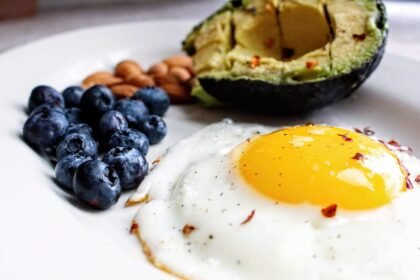
Fortunately, biotin is found in a wide variety of foods. Here are some of the richest sources:
| Food Source | Serving Size | Biotin (approx. mcg) |
|---|---|---|
| Beef Liver | 85g (cooked) | 30.8 |
| Eggs (whole) | 1 large | 10.0 |
| Salmon | 85g (cooked) | 5.0 |
| Pork Chop | 85g (cooked) | 3.8 |
| Sunflower Seeds | 35g (roasted) | 2.6 |
| Sweet Potato | 125g (cooked) | 2.4 |
| Almonds | 35g (roasted) | 1.5 |
Note: Cooking can render biotin less effective, so consuming raw or less-processed versions (where safe, like nuts and seeds) can be beneficial.
For a more extensive list of biotin-rich options, check out this guide from Healthline.
Treatment and Management: Taking Supplements
If you suspect you are not getting enough from your diet, or if you are experiencing hair thinning, you might consider a supplement.
Recommended Dosage
There is no official Recommended Dietary Allowance (RDA) for biotin in the UK, but there is an Adequate Intake (AI) level. For adults, 30 micrograms (mcg) per day is generally considered adequate.
Many hair growth supplements contain massively higher doses, ranging from 1,000 to 10,000 mcg. While biotin is generally safe and hard to overdose on (due to its water-soluble nature), extremely high doses can cause issues.
Safety Warning: Lab Test Interference
This is a critical safety point often overlooked. High levels of biotin in your blood can interfere with certain laboratory tests, leading to incorrect results.
The most concerning interference is with troponin tests, which are used to diagnose heart attacks. High biotin intake can cause falsely low troponin results, potentially leading to a missed diagnosis of a heart attack.
The U.S. Food and Drug Administration (FDA) has issued specific warnings regarding this. Always inform your GP or doctor if you are taking biotin supplements before having blood work done.
How Long Does It Take to See Results?
Hair growth is a slow process. If you are deficient and start supplementation, do not expect overnight miracles. It typically takes 3 to 6 months to notice significant changes in hair texture or thickness.
Practical Tips for Healthy Hair Growth
Relying solely on biotin is rarely the answer to hair loss. A holistic approach is usually required to maintain a healthy scalp and strands. Here are practical strategies recommended by dermatologists.
1. Diversify Your Nutrition
Hair is non-essential tissue, meaning your body will prioritise sending nutrients to your vital organs first. If your diet is poor, your hair suffers first.
Ensure you are getting enough:
- Protein: Hair is primarily protein. Inadequate intake causes shedding.
- Iron: Iron deficiency is a leading cause of hair loss in women.
- Zinc: Supports hair tissue growth and repair.
- Vitamin C: Helps absorb iron and produce collagen.
For more on balanced nutrition, the Harvard T.H. Chan School of Public Health offers excellent dietary resources.
2. Scalp Care
A healthy scalp produces healthy hair. Regular washing to remove sebum build-up is vital, but avoid harsh sulphates that strip natural oils.
Consider gentle scalp massages. This increases blood flow to the follicles, delivering more nutrients and oxygen. The Cleveland Clinic notes that whilst supplements help, physical care of the hair shaft is equally important.
3. Reduce Heat and Chemical Stress
Daily heat styling and chemical treatments (like bleaching or relaxing) damage the keratin structure that biotin helps build.
- Use a heat protectant spray.
- Limit hair dryer usage to a lower heat setting.
- Space out chemical treatments.
4. Manage Stress Levels
Stress triggers a type of hair loss called telogen effluvium. This pushes hair follicles into a resting phase, causing them to fall out months later. Managing stress through mindfulness, exercise, or therapy can be as effective for hair retention as any vitamin.
The American Academy of Dermatology suggests that stress management is a key component of treating hair loss.
When to See a Doctor
If you are losing hair in clumps, have bald patches, or if your scalp is itchy and inflamed, biotin is likely not the solution. These symptoms could indicate underlying conditions such as alopecia areata, thyroid issues, or hormonal imbalances.
Consult a dermatologist or your GP for a proper diagnosis. They may recommend treatments such as minoxidil or prescription medications alongside nutritional support.
Further clinical reviews in the Journal of Drugs in Dermatology suggest that treating the specific pathology is far more effective than blind supplementation.
The Bottom Line
Does biotin for hair work? The answer is a qualified yes—but mostly for those who are actually deficient in the vitamin.
For the vast majority of people, the best route to healthy hair is a balanced diet rich in proteins, vitamins, and healthy fats. While biotin supplements are generally safe, they are not a magic wand for hair growth and come with the caveat of interfering with important medical tests.
If you decide to try biotin, stick to moderate dosages and be patient. Hair health is a marathon, not a sprint.
For more information on supplement safety, you can visit the Mayo Clinic.