When the temperature drops and the cold and flu season arrives, many of us instinctively reach for a glass of orange juice or a vitamin supplement. It is natural to want to fortify your body’s defences against seasonal bugs. While citrus fruits are famous for their vitamin C content, there is a small, fuzzy contender that often punches well above its weight: the kiwi fruit.
Also known as the Chinese gooseberry, this nutrient-dense fruit is more than just a colourful addition to a fruit salad. Emerging research suggests that regular consumption of kiwi fruit can significantly support immune function, reduce the duration of common colds, and improve overall metabolic health.
However, understanding exactly how this fruit interacts with your immune system requires looking beyond just a single vitamin. It involves a complex interplay of antioxidants, enzymes, and dietary fibre.
This article provides a comprehensive overview of the role of kiwi fruit in boosting your immune system, supported by scientific evidence and practical tips for including it in your diet.
Overview: A Nutritional Powerhouse
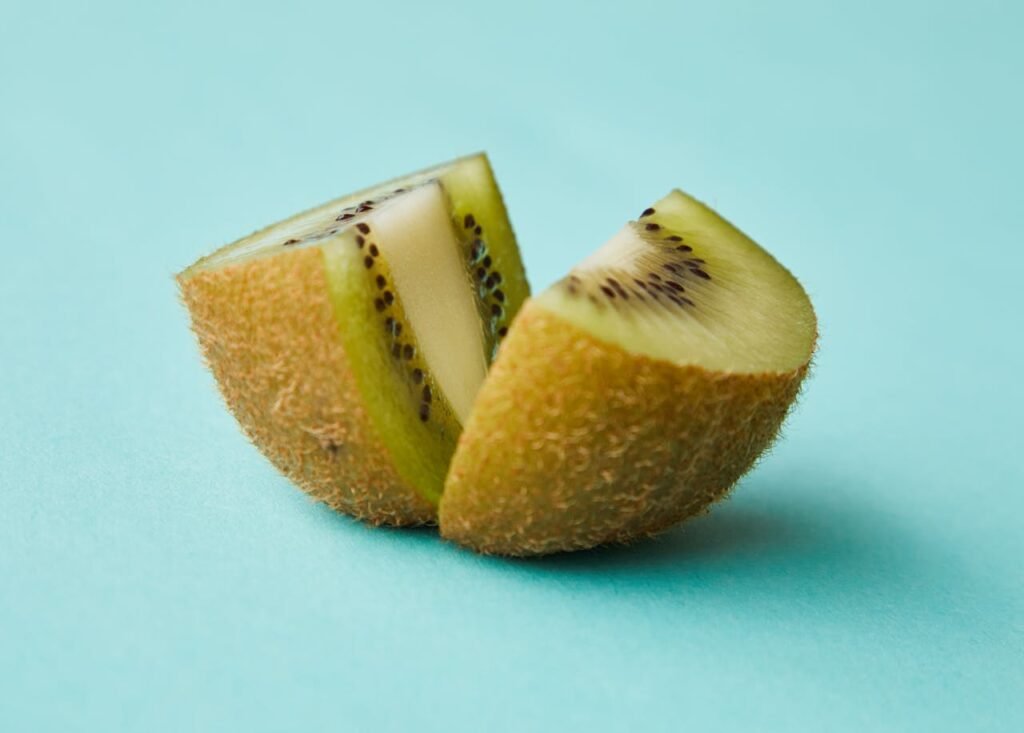
Kiwi fruit (Actinidia deliciosa) originated in China but became commercially famous in New Zealand. Today, it is a staple in supermarkets across the UK. Although small, the kiwi is incredibly dense in nutrients.
Most people associate immune health solely with vitamin C. While kiwi is exceptionally rich in this nutrient, its health benefits are derived from a synergistic effect of various compounds. These include vitamin K, vitamin E, folate, and potassium.
Furthermore, kiwi fruit contains unique bioactive compounds such as actinidin, an enzyme that aids digestion, and a range of antioxidants that protect cells from oxidative stress. Because the immune system relies heavily on the efficient absorption of nutrients and the reduction of cellular inflammation, the complete nutritional profile of the kiwi makes it a superior choice for health maintenance.
Research indicates that eating just one or two kiwis a day can maintain optimal blood levels of vitamin C, which is essential for the proper function of immune cells.
How Kiwi Fruit Supports the Immune System
The connection between kiwi fruit and immunity is multifaceted. It is not simply about preventing a cold; it is about maintaining a state of readiness within the body’s defence mechanisms.
The Vitamin C Connection
Vitamin C (ascorbic acid) is a water-soluble vitamin that the body cannot produce on its own. It must be obtained through diet. While oranges are the poster child for this vitamin, kiwi fruit actually contains significantly more vitamin C per gram.
According to data from the NHS, adults need 40mg of vitamin C a day. A single large kiwi fruit can provide over double this amount. This high concentration is vital because vitamin C accumulates in phagocytes and t-cells, two types of immune cells.
When you are under stress or fighting an infection, your body’s vitamin C levels can deplete rapidly. Regular consumption of kiwi helps ensure these levels remain saturated, allowing immune cells to track down and destroy pathogens effectively.
Reducing Oxidative Stress
Inflammation is a normal immune response, but chronic oxidative stress can weaken the immune system over time. Kiwi fruit is loaded with antioxidants, including polyphenols and carotenoids.
These compounds neutralise free radicals—unstable molecules that can damage DNA and cells. By lowering the burden of oxidative stress, kiwi fruit allows the immune system to focus its energy on identifying external threats like viruses and bacteria.
For a deeper dive into how antioxidants function, you can read more on Healthline regarding the protective effects of these compounds.
Supporting Respiratory Health
One of the most compelling reasons to eat kiwi during winter is its impact on the respiratory tract. Several studies have observed that children and older adults who consume kiwi regularly experience fewer respiratory infections.
Research published in various scientific journals has suggested that the gold variety of kiwi, in particular, may reduce the severity and duration of head congestion and sore throats. You can review findings on respiratory health impacts in studies indexed on PubMed.
The Gut-Immune Axis
It is often said that 70% of the immune system resides in the gut. A healthy microbiome is crucial for a robust immune response. Kiwi fruit contributes to gut health in two primary ways:
- Dietary Fibre: Kiwi contains both soluble and insoluble fibre. The soluble fibre serves as a prebiotic, feeding the beneficial bacteria in your colon.
- Actinidin: This natural proteolytic enzyme helps break down proteins in the digestive tract, easing the burden on the gut.
By maintaining a healthy digestive lining and microbiome, you prevent pathogens from entering the bloodstream. The British Nutrition Foundation highlights the critical link between diet, gut health, and immunity.
Nutritional Comparison
To truly understand the value of kiwi, it helps to compare it to other common immune-boosting fruits. Below is a breakdown of key nutrients found in 100g of raw fruit.
| Nutrient | Green Kiwi | Orange | Lemon |
|---|---|---|---|
| Calories | 61 kcal | 47 kcal | 29 kcal |
| Vitamin C | 92.7 mg | 53.2 mg | 53 mg |
| Fibre | 3.0 g | 2.4 g | 2.8 g |
| Potassium | 312 mg | 181 mg | 138 mg |
| Sugar | 9 g | 9 g | 2.5 g |
As the table demonstrates, kiwi offers nearly double the vitamin C of oranges and higher potassium levels, making it a highly efficient food for immune support.
Diagnosis and Treatment: When Diet Isn’t Enough
While kiwi fruit is a powerful preventative tool, it is important to distinguish between nutrition and medical treatment. Eating kiwi helps support the immune system, but it cures no specific disease.
Recognising Immune Deficiency
If you find yourself falling ill frequently, it may not be a simple dietary lack. Signs of a compromised immune system include:
- Frequent infections (sinusitis, pneumonia, ear infections).
- Slow healing of wounds.
- Chronic fatigue.
If you experience these symptoms, you should consult a GP rather than relying solely on dietary changes. They may recommend blood tests to check for underlying conditions or severe deficiencies.
Potential Allergies
Despite its benefits, kiwi is a common allergen. It contains proteins that resemble those found in latex, birch pollen, and certain other fruits. This is known as oral allergy syndrome.
Symptoms can range from a mild itching of the mouth and throat to anaphylaxis, though severe reactions are rarer. If you notice a tingling sensation in your mouth after eating kiwi, stop consumption immediately and seek medical advice.
Tips for Management and Intake
To maximise the immune-boosting benefits of kiwi fruit without disrupting your blood sugar or digestion, consider the following strategies.
1. Eat the Skin
It may sound unappealing to some, but the fuzzy skin of the kiwi is entirely edible. In fact, eating the skin increases the fibre content by 50% and boosts folate intake by 32%.
If the texture of the green variety is too much for you, try the SunGold variety, which has smoother, thinner skin. Just ensure you wash the fruit thoroughly before eating. For creative ways to prepare this fruit, BBC Good Food offers excellent recipes.
2. Watch the Heat
Vitamin C is extremely heat-sensitive. Cooking kiwi fruit will destroy a significant portion of its immune-boosting properties. It is always best to eat kiwi raw.
- Add to salads: Slice it into a spinach and walnut salad.
- Smoothies: Blend it with spinach, apple, and ginger for a morning defence boost.
- Toppings: Add to yoghurt or overnight oats.
3. Consistency is Key
The body excretes excess vitamin C through urine, meaning you cannot “stockpile” it for later. You need a daily intake. Including one or two kiwis in your daily routine is more effective than binge-eating them once a week. The GOV.UK Eatwell Guide suggests eating a variety of fruits and vegetables to hit your 5-a-day target.
4. Monitor Sugar Intake
While kiwi is low on the glycaemic index compared to many other fruits, it does contain natural fructose. If you are managing diabetes, it is important to account for the carbohydrate content. Diabetes UK confirms that fruit is a healthy part of a diabetic diet, provided portion sizes are managed.
Frequently Asked Questions
Does kiwi fruit help you sleep?
Yes, surprisingly. Kiwi contains serotonin, a precursor to melatonin. Some studies suggest eating two kiwis one hour before bedtime may help you fall asleep faster and sleep more soundly. Better sleep is directly linked to better immunity.
Is green or gold kiwi better for immunity?
Both are excellent. Gold kiwis generally contain slightly higher levels of vitamin C, while green kiwis are higher in dietary fibre and the enzyme actinidin. For digestion, choose green; for a pure vitamin C hit, choose gold.
Can I give kiwi to my baby?
Yes, kiwi is generally safe for babies once they start solid foods (around 6 months). However, due to its acidity, it may cause a nappy rash in some infants. Serve it soft and ripe. Always watch for signs of allergy.
How does kiwi affect digestion?
The enzyme actinidin helps break down proteins from meat, dairy, and legumes. This can reduce bloating and improve bowel regularity. More on the benefits of fibre can be found at Heart UK.
Is it safe to eat kiwi seeds?
Absolutely. The black seeds are edible and contain small amounts of omega-3 fatty acids, which also contribute to anti-inflammatory processes in the body.
The Bottom Line
Kiwi fruit is an exceptional addition to an immune-boosting diet. Its high concentration of vitamin C, combined with strong antioxidant properties and gut-supporting fibre, makes it one of the most efficient foods for maintaining health during the winter months.
While it is not a cure-all, consistent consumption can shorten the duration of respiratory infections and improve overall vitality. Unless you have a specific allergy, aiming for one to two kiwis a day is a scientifically backed strategy to keep your immune system sharp.
Remember to eat the skin if possible, keep the fruit raw to preserve nutrients, and enjoy it as part of a balanced, varied diet.