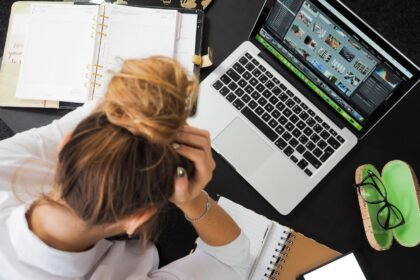
It starts as a dull throb, perhaps behind your eyes or wrapping around your forehead like a tight band. You scan your day for triggers: Did you sleep enough? Is it stress? Did you skip coffee? While these are common culprits, one of the most frequent yet overlooked causes of head pain is simply a lack of water.
Our bodies are composed of approximately 60% water, and even a mild dip in hydration levels can trigger a cascade of physiological responses, often culminating in pain. Understanding the specific dehydration headache symptoms and the science behind them is crucial for both immediate relief and long-term prevention.
In this comprehensive guide, we will explore the physiological link between fluid loss and head pain, how to distinguish a dehydration headache from a migraine, and actionable steps to maintain optimal hydration.
The Physiology: Why Dehydration Hurts Your Brain
To understand the pain, we must first look at the brain’s anatomy. The brain is suspended in a protective fluid called cerebrospinal fluid. When the body becomes dehydrated, it prioritizes water retention for vital organs like the heart and lungs. Consequently, you lose fluid volume throughout the body, including the head.
According to the National Library of Medicine, dehydration can actually cause brain tissue to shrink and pull away from the skull. This contraction places significant tension on the pain-sensitive meninges (the layers of membrane covering the brain), resulting in a headache. Once you rehydrate, the brain plumps back up to its normal size, relieving the tension.
Furthermore, dehydration reduces total blood volume. This means your heart has to work harder to pump oxygen to the brain. The resulting dilation of blood vessels in the brain—a compensatory mechanism to maintain oxygen flow—can also contribute to the pounding sensation associated with headaches.
Recognizing Dehydration Headache Symptoms
Unlike a complex neurological condition, a dehydration headache is a secondary headache, meaning it is caused by an external factor (lack of fluid). However, identifying it can be tricky because it often mimics tension headaches.
Key dehydration headache symptoms include:
- Pain Movement: The pain often worsens when you move your head, bend over, or walk.
- Location: While it can be all over, it is frequently described as a bilateral sensation (occurring on both sides) or a frontal ache.
- Dryness: Accompanying dry mouth, sticky saliva, or chapped lips.
- Reduced Urination: Dark yellow urine or infrequent trips to the bathroom.
- Low Blood Pressure: Often manifesting as lightheadedness or dizziness when standing up too quickly (orthostatic hypotension).
According to the Cleveland Clinic, mild to moderate dehydration is usually the culprit, and symptoms often resolve within a few hours of drinking water.
Differential Diagnosis: Is it Dehydration, Migraine, or Tension?
It is vital to distinguish between dehydration headaches and other primary headache disorders, as the treatment protocols differ significantly. Dehydration is a known trigger for migraines, which complicates the diagnosis.
Below is a comparison of common headache types to help you identify the source of your pain.
Headache Comparison Table
| Feature | Dehydration Headache | Migraine | Tension Headache |
|---|---|---|---|
| Primary Cause | Fluid/Electrolyte imbalance | Neurological/Genetic triggers | Stress, posture, muscle strain |
| Pain Quality | Dull, throbbing, pulsating | Piercing, throbbing, severe | Tight pressure, band-like |
| Location | All over or front/back; bilateral | Usually one-sided (unilateral) | Diffuse, forehead, or back of head |
| Accompanying Symptoms | Dry mouth, thirst, dark urine | Nausea, aura, light sensitivity | Neck/shoulder tenderness |
| Effect of Movement | Worsens significantly with movement | Movement often aggravates pain | Movement usually has little effect |
| Relief Factor | Rehydration (Water/Electrolytes) | Dark room, sleep, triptans | NSAIDs, massage, relaxation |
Data synthesized from the American Migraine Foundation and clinical observations.

Common Risk Factors and Triggers
Why do some people get these headaches while others don’t? It often comes down to the rate of fluid loss versus intake.
1. Environmental Factors
Hot and humid weather leads to rapid fluid loss through sweat. However, high altitudes are also a risk. At higher elevations, respiration rates increase, and the air is drier, causing significant fluid loss through breathing. The CDC notes that dehydration is a primary concern for travelers and those in extreme climates.
2. Dietary Choices
Certain substances act as diuretics, causing the kidneys to expel more sodium and water.
- Alcohol: The infamous “hangover headache” is essentially a severe dehydration headache. Alcohol inhibits the antidiuretic hormone (vasopressin).
- Caffeine: While caffeine can treat headaches, excessive consumption can lead to fluid loss.
3. Illness and Medication
Fevers, vomiting, and diarrhea deplete fluids rapidly. Additionally, medications for blood pressure and heart conditions often include diuretics. Resources from MedlinePlus highlight that elderly populations are particularly susceptible because the sensation of thirst decreases with age.
Treatment: How to Banish the Pain
If you identify dehydration headache symptoms, the immediate goal is rehydration. However, chugging a gallon of water immediately isn’t always the best approach.
- Start Slow: Drink small sips of water consistently. Drinking too much too fast can induce vomiting if you are already nauseous.
- Replace Electrolytes: Water is essential, but you also lose sodium and potassium through sweat. An oral rehydration solution or a sports drink can be more effective than plain water in severe cases. The Mayo Clinic suggests avoiding sugary sodas, which can worsen dehydration.
- Rest and Cool Down: If heat caused the issue, move to a shaded or air-conditioned area. Lie down to reduce the strain on your heart and help blood flow to the brain.
- Over-the-Counter Relief: While rehydrating, an analgesic like acetaminophen or ibuprofen can help reduce the inflammation, though they won’t fix the root cause.
Prevention Strategies: Beyond the “8 Glasses” Rule
The old adage of drinking eight glasses of water a day is a reasonable baseline, but individual needs vary wildly based on weight, activity level, and climate.
The National Academies of Sciences, Engineering, and Medicine recommends approximately 3.7 liters (15.5 cups) of fluids a day for men and 2.7 liters (11.5 cups) for women. Roughly 20% of this comes from food.
Practical Tips for Staying Hydrated
- The Urine Test: The easiest way to gauge hydration is urine color. Pale yellow (like straw) is ideal. Dark amber indicates dehydration. The NHS (National Health Service) utilizes this as a primary self-diagnosis tool.
- Eat Your Water: Incorporate water-rich foods like watermelon, cucumbers, and oranges into your diet.
- Pre-Hydrate for Exercise: Don’t wait until you are thirsty during a workout. Drink water before, during, and after physical activity.
- Monitor Morning Hydration: We lose water while sleeping. Start your day with a glass of water before reaching for the coffee.
- Carry a Reusable Bottle: Visual cues remind you to drink. According to Harvard T.H. Chan School of Public Health, keeping water easily accessible is the number one predictor of adequate intake.
Conclusion
Headaches can be debilitating, affecting our productivity and mood. While causes vary, the link between dehydration and headaches is undeniable. By recognizing the specific dehydration headache symptoms—such as pain that worsens with movement, dry mouth, and fatigue—you can take immediate action to alleviate the discomfort.
Your body is an intricate machine that requires fluid to function. Treating a headache might be as simple as reaching for a glass of water rather than the medicine cabinet. However, if your headaches are chronic, severe, or unresponsive to hydration, it is essential to consult a healthcare professional to rule out underlying conditions as advised by Johns Hopkins Medicine.
Listen to your body, keep your water bottle close, and stay hydrated to keep your mind clear and pain-free.