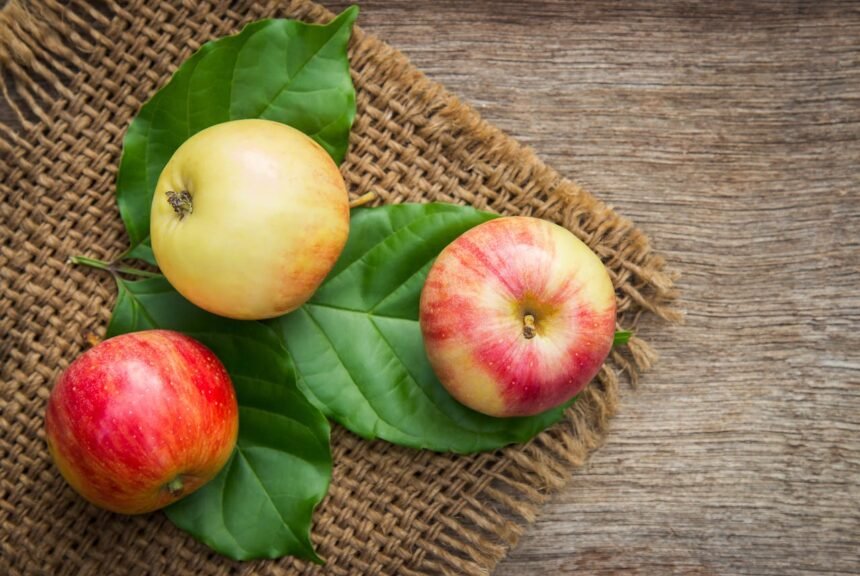
In the ever-evolving world of skincare, the search for the “Holy Grail” ingredient often leads us to exotic locations and rare botanicals. However, sometimes the most potent secrets to a luminous complexion are hiding in plain sight—or rather, in the fruit bowl. The humble red apple, scientifically known as Malus domestica, is transcending its reputation as a healthy snack to become a powerhouse ingredient in cosmetic formulations.
While the old adage suggests an apple a day keeps the doctor away, modern dermatology suggests it might also keep the aesthetician away. The red apple extract benefits for skin are vast, ranging from gentle chemical exfoliation to robust antioxidant protection. This article delves deep into the science behind apple extract, exploring why this fruit is essential for anyone seeking a natural, radiant glow.
The Nutritional Profile: More Than Just Fiber
To understand why red apple extract is effective topically, we must first look at its chemical composition. Apples are nutrient-dense fruits packed with vitamins, minerals, and phytonutrients that translate directly to skin health.
According to the United States Department of Agriculture (USDA), apples are a rich source of Vitamin C and various phytochemicals. When processed into an extract, these compounds are concentrated, delivering a potent dose of nutrition to the dermis.
Key Components Beneficial for Skin:
- Vitamin C (Ascorbic Acid): Essential for collagen synthesis and brightening.
- Vitamin E: A moisturizer that protects the skin barrier.
- Polyphenols: Compounds that combat oxidative stress.
- Malic Acid: A natural Alpha Hydroxy Acid (AHA).
1. The Power of Polyphenols: Fighting Free Radicals
One of the primary red apple extract benefits for skin is its antioxidant capacity. Our skin is constantly under siege from environmental stressors—UV rays, pollution, and blue light—which generate free radicals. These unstable atoms damage cells, leading to premature aging, fine lines, and dullness.
Red apples possess a significantly higher concentration of phenolic compounds compared to other varieties. Specifically, they are rich in quercetin, a flavonoid known for its anti-inflammatory and antioxidant properties. Research published by the National Center for Biotechnology Information (NCBI) highlights that plant polyphenols like those found in apples can effectively neutralize free radicals, acting as a shield for your skin.
2. Malic Acid: Nature’s Gentle Exfoliant
Exfoliation is crucial for maintaining healthy skin, but harsh physical scrubs can cause micro-tears, and strong chemical peels can compromise the moisture barrier. Enter Malic Acid, a standout component of apple extract.
Malic acid is an Alpha Hydroxy Acid (AHA). Unlike its more aggressive cousin, glycolic acid, malic acid has a larger molecular size. This means it penetrates the skin more slowly and superficially, providing a gentle sloughing of dead skin cells without the irritation often associated with chemical exfoliants.
The American Academy of Dermatology notes that proper exfoliation can unclog pores and brighten the complexion. For those with sensitive skin who have struggled with traditional AHAs, products containing red apple extract offer a safer, soothing alternative that reveals fresh skin underneath.
3. Hydration and Barrier Support
Glowing skin is hydrated skin. Red apple extract is not just about taking things away (like dead skin cells); it is also excellent at putting moisture back in. The extract contains high levels of carbohydrates and mucilages which act as humectants. Humectants are ingredients that attract water molecules from the environment and bind them to the skin.
Furthermore, the Vitamin E found in apple seeds and flesh contributes to strengthening the skin’s lipid barrier. A healthy barrier is essential for preventing Transepidermal Water Loss (TEWL). As noted by the Mayo Clinic, keeping skin moisturized is a fundamental step in delaying the appearance of aging.
Comparative Analysis: Red Apple Extract vs. Synthetic Actives
To better understand where red apple extract fits into a skincare routine, it is helpful to compare it against common synthetic alternatives found in the beauty market.
| Feature | Red Apple Extract (Natural) | Synthetic Glycolic Acid | Synthetic Vitamin C (L-Ascorbic) |
|---|---|---|---|
| Primary Function | Exfoliation & Antioxidant | Deep Exfoliation | Brightening & Antioxidant |
| Active Component | Malic Acid, Quercetin | Glycolic Acid | L-Ascorbic Acid |
| Irritation Potential | Low (Gentle) | High (Can cause redness/stinging) | Moderate to High (pH dependent) |
| Skin Type Suitability | All (Ideal for Sensitive) | Oily/Resilient | All (can irritate sensitive skin) |
| Additional Benefits | Hydration, Anti-inflammatory | Collagen stimulation | Pigmentation reduction |
| Stability | Generally Stable | Stable | Highly Unstable (oxidizes quickly) |
4. Anti-Aging and Collagen Synthesis
As we age, collagen production slows down, leading to sagging skin and wrinkles. The Vitamin C present in red apple extract plays a pivotal role here. Vitamin C is a necessary cofactor for the enzymes prolyl and lysyl hydroxylase, which are responsible for stabilizing and cross-linking collagen molecules.
Moreover, studies on plant stem cells—specifically from apple varieties—have shown promise in promoting skin longevity. While the famous “Swiss Apple” stem cell studies focus on a rare variety, the fundamental phytochemical profile of red apples supports cell turnover. According to Harvard Health Publishing, a diet and regimen rich in fruit-based antioxidants is key to maintaining tissue health.
5. Pore Refinement and Acne Control
The astringent properties of apples have been utilized in folk medicine for centuries. Modern science confirms that the tannins found in apple skins act as natural astringents. This helps to tighten the appearance of pores and regulate sebum production.
For those prone to acne, the combination of Malic acid (to keep pores clear of debris) and anti-inflammatory quercetin makes red apple extract a dual-action weapon. It helps reduce the occurrence of comedones (blackheads and whiteheads) while calming the redness associated with active breakouts. Information from WebMD suggests that natural astringents are often better tolerated by acne-prone skin than alcohol-based toners.
Sustainable Beauty: The Upcycling Revolution
Beyond the red apple extract benefits for skin, there is an environmental argument for this ingredient. The beauty industry is increasingly moving towards “upcycled ingredients.” Apple extract is often derived from the pomace (skins and seeds) left over from the juice and cider industry.
By utilizing these nutrient-rich byproducts, skincare brands reduce waste and create a circular economy. Reports from Forbes indicate that upcycled beauty is one of the fastest-growing trends in the cosmetics sector, appealing to eco-conscious consumers who do not want to compromise on efficacy.
How to Incorporate Red Apple Extract into Your Routine
To maximize the benefits, look for products where Pyrus Malus (Apple) Fruit Extract appears high on the ingredient list. Here is a recommended routine:
- Cleanser: Use an apple-based foaming cleanser to remove dirt without stripping oils.
- Toner: Apply a toner containing apple extract to balance pH and tighten pores.
- Serum: Look for a serum combining apple extract with Vitamin C for a double antioxidant boost.
- Moisturizer: Finish with a cream that utilizes apple water or extract for hydration.
Note: Always perform a patch test when trying new active ingredients.
Safety and Side Effects
Red apple extract is generally considered safe for all skin types, including sensitive skin. The Cosmetic Ingredient Review (CIR) expert panel has assessed the safety of apple-derived ingredients and found them safe for use in cosmetics. However, individuals with specific apple allergies should avoid these products topically.
Conclusion
The quest for flawless skin doesn’t always require harsh chemicals or expensive clinical procedures. The red apple extract benefits for skin—ranging from the gentle exfoliation of malic acid to the protective power of quercetin—prove that nature holds sophisticated solutions to modern skin concerns. Whether you are looking to brighten a dull complexion, soothe sensitivity, or prevent early signs of aging, red apple extract is a versatile, sustainable, and highly effective addition to your skincare arsenal.
Ready to transform your skin naturally? Check the labels on your next skincare purchase and see if the power of the red apple is waiting to unlock your radiance.