Gardening is more than just a hobby; it is a way to connect with the natural world and improve your overall wellbeing. Many people find that spending time with plants offers significant mental health benefits during stressful times.
Enter coconut fiber pots, also known as coir pots. These sustainable plant pots are made from the fibrous husks of coconuts, a byproduct of the coconut industry that might otherwise go to waste.
In this guide, we will explore why these biodegradable coir pots are revolutionising how we grow everything from flowers to vegetables. We will look at their impact on plant health, their environmental credentials, and how you can use them effectively.
Whether you are looking for stress management techniques through outdoor activities or simply want to grow better tomatoes, this guide is for you.
| Feature | Coconut Fiber Pots | Plastic Pots | Peat Pots |
|---|---|---|---|
| Sustainability | Very High | Low | Low (Peat depletion) |
| Root Health | Excellent (Air Pruning) | Poor (Root circling) | Good |
| Biodegradability | 100% Biodegradable | Non-biodegradable | Biodegradable |
| Water Retention | High | High | Medium |
What Exactly Are Coconut Fiber Pots?
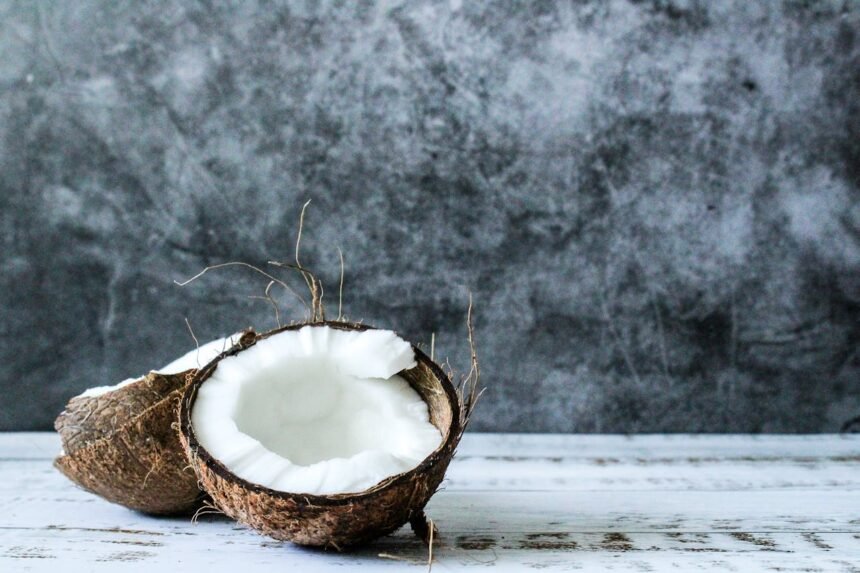
Natural coir fiber is extracted from the thick layer of pith and fiber between the hard internal shell and the outer skin of a coconut. This material is incredibly tough, resistant to decay, and has a high lignin content.
To create coconut husk planters, manufacturers compress these fibers into various shapes and sizes. They are held together by a small amount of natural latex or simply through high-pressure moulding.
Many gardeners are switching to these because they support peat-free gardening practices. The Royal Horticultural Society has long encouraged moving away from peat to protect vital carbon-storing peat bogs.
Using renewable coconut waste ensures that no new virgin materials are harvested specifically for your potting needs. This aligns perfectly with a lifestyle focused on environmental health and conservation.
How Are They Made?
The process begins with the harvesting of coconuts. After the fruit and water are removed, the husks are soaked in water to soften the fibers, a process known as retting.
The fibers are then separated and dried. The resulting material is then shaped into coir seed trays or individual pots, providing a sturdy yet breathable home for your seedlings.
This production method is far more eco-friendly than the energy-intensive processes required to manufacture plastic or extract peat from fragile ecosystems. Research from the Soil Association highlights the importance of choosing organic and sustainable materials in agriculture.
The Key Benefits of Using Coir Pots
The primary advantage of these containers lies in root health in coir. Unlike plastic, the walls of a fiber pot are permeable, allowing air and water to pass through easily.
This permeability leads to a phenomenon known as air pruning. When roots reach the edge of the pot, they are exposed to air, which naturally stops their growth and encourages the plant to develop a dense system of fibrous roots.
In contrast, plastic pots often lead to root circling, where the plant becomes “root-bound” and struggles to absorb nutrients. Promoting healthy roots is essential for the long-term vitality of any plant.
Regular gardening activity has been linked to benefits of outdoor activity, and seeing your plants thrive in permeable plant pots adds a sense of accomplishment.
Exceptional Drainage and Aeration
Overwatering is one of the most common mistakes made by beginner gardeners. Excessive moisture can lead to root rot and fungal diseases that devastate your crop.
Because coconut fiber pots are naturally porous, they allow excess water to drain away while maintaining just enough moisture within the fiber walls. This creates a balanced environment for delicate seedlings.
Good aeration also prevents the soil from becoming compacted. Compacted soil limits the oxygen available to roots, which can stunt growth and reduce yields in vegetable gardens.
If you are growing herbs for their nutritional benefits, ensuring they have the best start in high-quality containers is vital. Healthy plants produce more nutrient-dense foliage.
Minimising Transplant Shock
One of the greatest challenges when moving seedlings to the garden is transplant shock prevention. Many plants die shortly after being moved because their delicate root systems are disturbed.
With eco-friendly seed starters, you do not need to remove the plant from the pot. You simply bury the entire pot into the ground where it will naturally break down over time.
This seamless transition allows the roots to grow through the fiber walls and into the surrounding soil without any interruption. This is particularly beneficial for sensitive plants like cucumbers and sweet peas.
Reducing the stress on your plants often mirrors the benefits of nature on our own stress levels; a thriving garden creates a more tranquil environment for the grower.
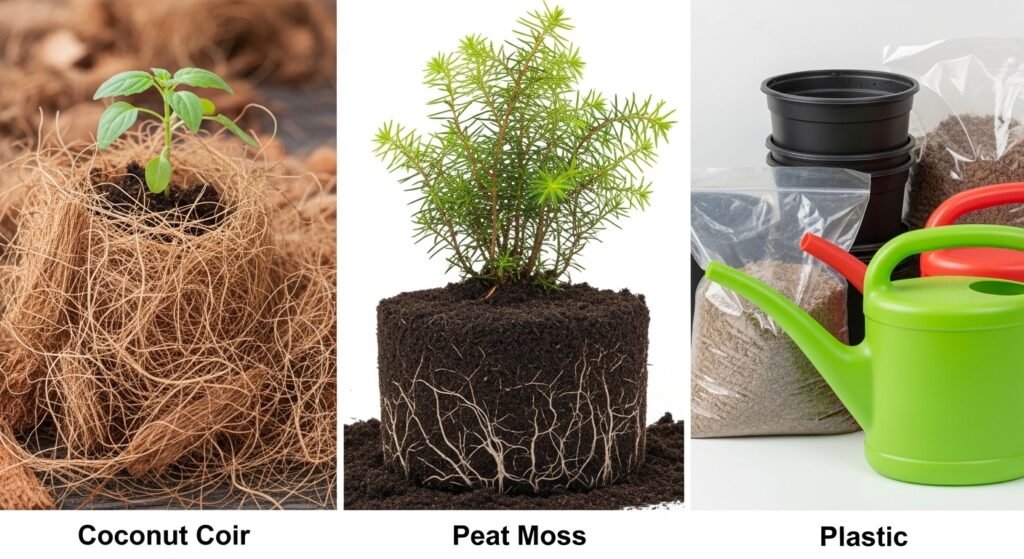
Comparison: Coir vs. Peat vs. Plastic
When choosing containers, it is helpful to look at the alternatives. For decades, peat pots were the standard for biodegradable options, but their environmental cost is now widely recognised.
Peat extraction destroys ancient ecosystems that are crucial for carbon sequestration. The Garden Organic campaign emphasizes that peat-free alternatives like coir are the only responsible choice for modern gardeners.
Plastic pots, while cheap, contribute to the global plastic crisis. While some can be recycled, many local authorities do not accept “black plastic” pots, meaning they end up in the incinerator or landfill.
Long-lasting fiber pots made from coconut offer a middle ground. They are durable enough to last an entire growing season but disappear into the earth once their job is done.
Gardening provides a great way to get your vitamin D from the sun, but we should make sure our hobbies don’t harm the planet while we enjoy the outdoors.
Step-by-Step: How to Use Coconut Fiber Pots
Using these pots is straightforward, but there are a few tips to ensure success. First, ensure you select the right size for the seeds you are sowing.
- Hydrate the pots: Before adding soil, give the pots a quick dip in water. This prevents them from wicking moisture away from your potting mix immediately.
- Fill with compost: Use a high-quality, peat-free seed compost. Press it down gently to remove large air pockets.
- Sow your seeds: Follow the depth instructions on your seed packet. Many gardeners use coir seed trays for starting multiple varieties at once.
- Water carefully: Use a fine mist or a watering can with a rose attachment. Avoid heavy streams of water that can displace small seeds.
- Monitor moisture: The pots will change colour (becoming lighter) as they dry out, making it easy to see when they need more water.
Remember to practice sun safety when spending long hours in the greenhouse or garden. Wearing a hat and using sunscreen is essential for long-term skin health.
Environmental Impact of Coconut Husk Planters
The sustainability of coconut shell pots extends beyond their biodegradability. The production of coir creates jobs in rural communities in countries like Sri Lanka and India.
According to the Royal Botanic Gardens, Kew, using sustainable materials helps preserve global biodiversity by reducing the pressure on wild habitats.
Furthermore, coir has a neutral pH, which is ideal for most plants. Peat is naturally acidic and often requires the addition of lime to make it suitable for general gardening, which adds another layer of processing.
By choosing organic gardening containers, you are supporting a circular economy. You are taking a waste product from the food industry and turning it into a tool for growing more food.
This conscious consumption is a pillar of mindful living. Every small choice, including the pots we buy, contributes to a larger positive impact on the world.
Common Challenges and Solutions
While coconut fiber pots are excellent, users may occasionally face issues like mould growth on the exterior of the pot. This usually happens in high-humidity environments with poor airflow.
To prevent this, ensure your seedlings have adequate ventilation. You can also space the pots slightly further apart to allow air to circulate around the fiber walls.
Another tip is to avoid letting the pots sit in standing water. Use a tray with a layer of grit or perlite to keep the pots elevated while still providing a reservoir of moisture.
For those with sensitive skin or allergies, handling gardening materials can sometimes cause irritation. It is always wise to be aware of potential allergic reactions and wear gloves if necessary.
If you experience any hand discomfort from repetitive tasks, check out these tips for hand exercises to keep your joints supple during the planting season.
Frequently Asked Questions (FAQ)
Do coconut fiber pots really decompose?
Yes, they do. Depending on the soil temperature and moisture levels, biodegradable coir pots typically break down within 6 to 12 months once buried in the ground.
Can I use them for indoor plants?
While they are perfect for starting seeds, they are less ideal as permanent indoor decorative pots because they are porous and will leak water onto your furniture. Use them as liners inside a decorative ceramic pot instead.
Are they better than peat pots?
Most experts, including those at The National Trust, agree that coir is superior because it is more sustainable and offers better aeration for roots.
Where can I buy them?
They are widely available at garden centres and online retailers. Look for brands that specify they use natural coir fiber without synthetic glues.
Are coir pots safe for organic veg?
Absolutely. Most are 100% natural. For peace of mind, check for certifications from bodies like the BBC Gardeners’ World endorsed suppliers who focus on organic standards.
Do they contain any nutrients?
Coir itself is relatively inert. While it contains some potassium and sodium, you will still need to provide a balanced liquid fertiliser once your plants develop their true leaves.
The Bottom Line
Switching to coconut fiber pots is a simple yet powerful way to make your gardening practice more sustainable. They offer significant advantages for plant health through air pruning and reduced transplant shock.
Beyond the garden, the act of nurturing plants in eco-friendly seed starters provides a wealth of clean air and psychological benefits. It is a hobby that gives back to both the earth and the individual.
As you plan your next growing season, consider the impact of your containers. By choosing sustainable plant pots, you are protecting peat bogs, reducing plastic waste, and ensuring your plants have the best possible start in life.
For more information on the environmental benefits of sustainable materials, you can consult studies on ScienceDirect regarding the lignocellulosic properties of coconut husks.
Whether you are a seasoned horticulturalist or a beginner, natural coir fiber products are a durable and responsible choice. Happy gardening!