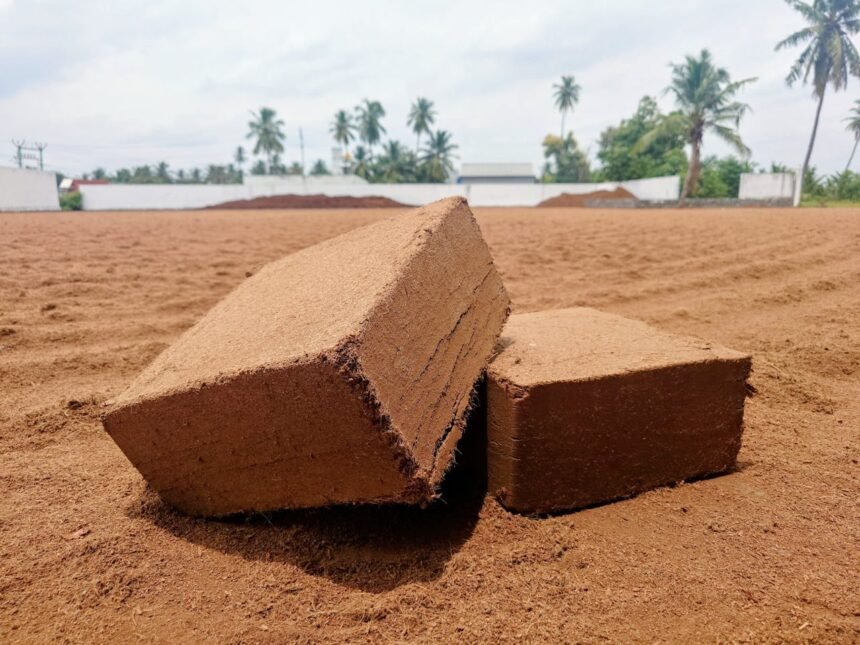
If you have recently stepped into a garden centre or browsed online plant shops, you have likely seen coconut peat blocks. They look like dense, brown bricks of organic matter, but they are actually a powerhouse for plant health. These blocks are made from the pith of coconut husks, which is a natural byproduct of the coconut industry.
For many years, this material was treated as waste. Today, it is celebrated as an eco-friendly organic plant substrate. When you use these blocks, you are participating in a sustainable cycle that reduces environmental waste. Engaging with nature through gardening has been shown to offer incredible mental health benefits, making this a win for both you and the planet.
These compressed blocks are prized for their versatility. They are lightweight, easy to transport, and incredibly efficient at retaining water. Whether you are a seasoned horticulturist or a beginner, understanding how to use non-peat alternatives can transform your growing results.
The Anatomy of Compressed Coco Coir Bricks
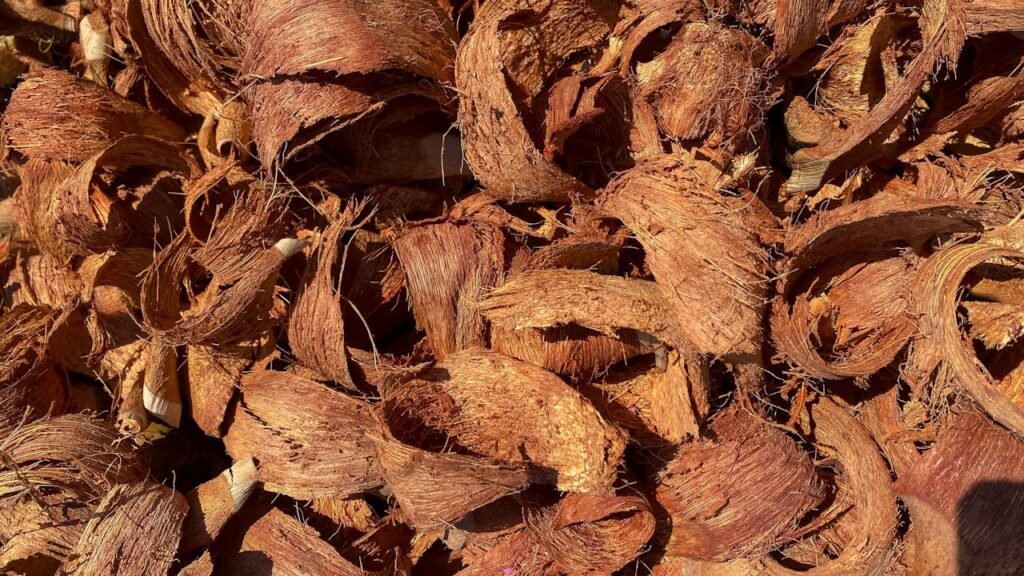
When we talk about compressed coco coir bricks, we are referring to the dehydrated and highly compacted form of coconut pith. The manufacturing process involves several steps to ensure the material is safe for your plants. First, the husks are soaked to loosen the fibres.
The pith is then separated, dried, and aged. This aging process is crucial because it helps stabilise the material. For more technical details on the cellular structure of coir, you can explore the biological sciences of coconut pith. Once aged, the material is compressed under high pressure into various sizes.
The most common size you will find in commercial trade is the washed coco peat 5kg block. These larger blocks are perfect for filling several large pots or creating a substantial garden bed. If you are just starting your green journey, learning how to start a garden from scratch is much easier when you have the right substrate.
Why Compression Matters
Compression is not just about making the product easier to ship. It also keeps the material sterile and compact until you are ready to use it. This makes it one of the best growing mediums for indoor plants, as it takes up very little storage space in your home.
Top Benefits of Using Coconut Peat Blocks
One of the primary reasons gardeners are switching to coconut peat is its incredible water-holding capacity. It can hold up to ten times its weight in water. This ensures that your plants stay hydrated for longer periods, which is vital for maintaining indoor air quality through healthy foliage.
Research suggests that keeping indoor plants for air quality can significantly improve your home environment. Coconut peat supports this by providing a stable foundation for root systems. Unlike traditional soil, it does not compact easily, allowing for excellent oxygen flow to the roots.
- High Aeration: The porous nature of the pith ensures roots never suffocate.
- Neutral pH: Most blocks sit between 5.5 and 6.8, which is ideal for most plants.
- Disease Resistance: It contains natural antifungal properties that protect seedlings.
- Longevity: It decomposes very slowly compared to other organic materials.
Using these blocks as potting soil amendments can also improve the structure of sandy or clay-heavy soils. This versatility makes it a favourite for those looking to burn calories through gardening, as it is lighter and easier to handle than heavy bags of topsoil.
Technical Specifications and Comparison
Before buying, it is helpful to look at the technical specifications of what you are purchasing. Below is a data table illustrating the typical properties of a standard coconut peat block.
| Property | Typical Measurement |
|---|---|
| Weight (Dry) | 5 kg |
| Expanded Coco Peat Volume | 60 – 75 Litres |
| pH Level | 5.8 – 6.5 |
| Coir Block EC Levels | < 0.5 mS/cm (Low Salt) |
| Moisture Content | < 20% |
As seen in the table, the expansion is quite significant. This high expanded coco peat volume means a single block goes a long way. This is why it is used extensively in advanced agricultural systems, including NASA experiments for growing plants in space.
The Importance of Low Salt Coir Blocks
Not all coconut peat is created equal. Because coconuts often grow near coastal regions, the husks can naturally contain high levels of sodium and potassium. High salinity can be toxic to sensitive plant roots.
Always look for low salt coir blocks that have been thoroughly washed with fresh water. Quality manufacturers will provide coir block EC levels (Electrical Conductivity) to prove the salt content is low. High-quality washed coco peat 5kg units ensure that you aren’t accidentally poisoning your garden.
If you are worried about skin irritation or allergies while handling new materials, keep in mind that coir is generally hypoallergenic. However, practicing proper sun protection and wearing gloves while working outside is always a smart health choice.
How to Rehydrate Your Coconut Peat Block
Rehydrating coconut peat is a simple process, but it requires a bit of patience. First, find a large container, such as a wheelbarrow or a 100-litre tub. Place the block in the centre and slowly add water.
For a 5kg block, you will typically need about 25 to 30 litres of water. Let the block sit for 20 to 30 minutes. You will see it begin to swell and crumble. Many people find the tactile nature of this process to be a form of nature therapy that reduces stress.
Once the block is fully expanded, fluff it up with a garden fork or your hands. Ensure there are no dry clumps left in the middle. If you are growing food, remember that having your own herb garden offers many benefits, and coir is the perfect medium for basil, mint, and coriander.
Advanced Tip: Buffering Coco Coir Blocks
While washing removes salts, buffering coco coir blocks is the next level of preparation. This process involves treating the coir with a calcium and magnesium solution. Coconut pith has naturally occurring sites that like to hold onto potassium and sodium.
Buffering replaces those elements with calcium, ensuring your plants don’t suffer from calcium deficiency later. This is particularly important when using coco pith for hydroponics, where the plant relies entirely on the nutrients you provide. For more on the science of growing media, see Oregon State University’s research on coir sustainability.
Sustainability: A Peat Moss Alternative
For decades, peat moss was the standard for gardening. However, harvesting peat moss destroys ancient peatlands, which are critical carbon sinks. Choosing peat moss alternative blocks helps protect these delicate ecosystems.
The United Nations Environment Programme emphasises that protecting peatlands is vital for climate health. Since coconut peat is a renewable resource harvested from existing coconut trees, it has a much lower carbon footprint. It is truly one of the most effective biodegradable garden materials available today.
Furthermore, using organic plant substrate like coir helps reduce the need for chemical fertilisers. Healthy soil structure promotes natural microbial life. If you are interested in the wider impacts of chemicals in agriculture, read about pesticides and health on Healthline.
Specific Applications for Coir Blocks
Coco Pith for Hydroponics
In hydroponic systems, the substrate must be inert and provide excellent drainage. Coco pith for hydroponics is the gold standard because it allows growers to have total control over the nutrient profile. It also prevents the growth of indoor mold which can be a problem in over-saturated systems.
Coco Coir for Mushroom Cultivation
Mushroom growers frequently use coco coir for mushroom cultivation. It provides a clean, moist environment for mycelium to thrive. When mixed with vermiculite, it creates a popular substrate known as CVG (Coir, Vermiculite, Gypsum).
Sustainable Seed Starting Medium
Small blocks or discs are often used as a sustainable seed starting medium. The fine texture of the pith allows tiny roots to penetrate easily. This reduces transplant shock when you move the seedlings to larger pots or the garden. Gardening can even be used as a form of occupational therapy to improve fine motor skills.
Safety and Handling
When handling large 5kg blocks, be mindful of your posture. Lifting heavy items incorrectly can lead to strain. Following back pain prevention tips is essential when moving your garden supplies around.
Also, because coir is very dusty when dry, it is a good idea to rehydrate it in a well-ventilated area. If you have sensitive lungs, wearing a simple mask can prevent you from inhaling fine dust particles. This is a standard safety measure for any growing mediums for indoor plants.
Frequently Asked Questions
How long do coconut peat blocks last?
Coconut peat decomposes very slowly. In a typical garden setting, it can last for three to five years before it loses its structural integrity. It can often be washed and reused for several growing cycles.
Is coconut peat better than topsoil?
It is different. It doesn’t contain the same nutrient profile as topsoil, but it has much better water retention and aeration. Most gardeners use it as a potting soil amendment rather than a total replacement for soil.
Can I use coconut peat for all plants?
Most plants love it, especially those that prefer slightly acidic to neutral conditions. However, succulents and cacti might need extra perlite added to ensure the drainage is fast enough for their specific needs. You can learn more about how to use coir compost from expert gardening resources.
Do I need to add fertiliser?
Yes. Coconut peat is relatively inert. You will need to provide your plants with the necessary nutrients through liquid or slow-release fertilisers. For more on plant nutrition, check Michigan State University’s guide on container media.
The Bottom Line
Switching to coconut peat blocks is a brilliant way to improve your gardening success while being kind to the environment. These biodegradable garden materials offer superior water retention, excellent aeration, and a sustainable alternative to traditional peat moss.
Whether you are using it as an organic plant substrate or for coco coir for mushroom cultivation, the results speak for themselves. Taking time to garden can even help with anxiety management, providing a peaceful escape from the digital world.
By choosing high-quality, low salt coir blocks and following the proper rehydration steps, you are setting your garden up for long-term health. Start with a washed coco peat 5kg block today and watch your plants thrive like never before.