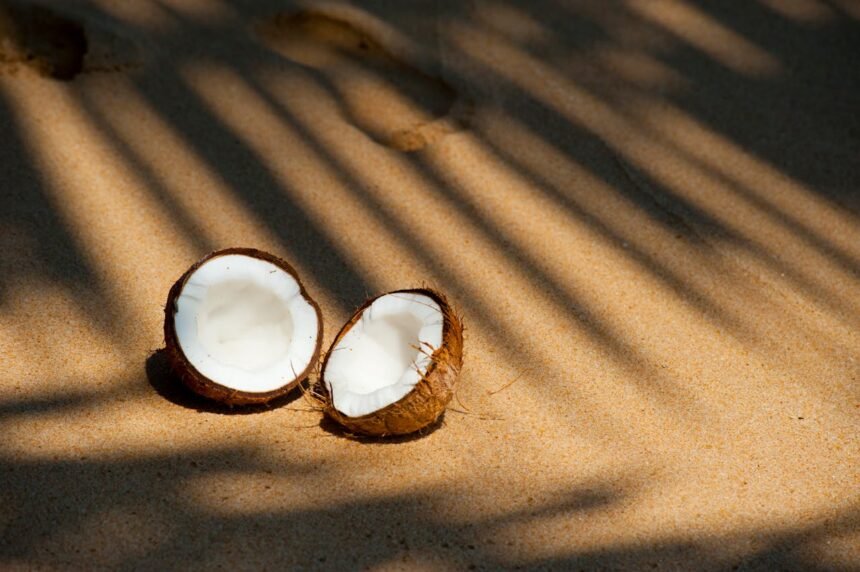
In a world increasingly focused on environmental conservation, finding sustainable alternatives for everyday items is more important than ever. One of the most beautiful and functional items gaining popularity in modern homes is coconut shell bowls.
These natural wonders are not just a passing trend. They represent a significant shift towards a more sustainable lifestyle that respects our planet’s resources.
By choosing eco-friendly kitchenware, you are making a conscious decision to reduce waste and support artisan communities. Transitioning to a healthy lifestyle involves more than just what you eat; it includes the tools you use to prepare and serve your food.
In this guide, we will explore everything you need to know about these unique items. We will look at how they are made, why they are beneficial, and how to care for them so they last for years.
What Exactly Are Coconut Shell Bowls?
At their core, handmade coconut bowls are exactly what the name suggests. They are the shells of coconuts that have been discarded as waste, then reclaimed and repurposed into functional vessels.
For centuries, the coconut industry has focused primarily on the water, oil, and white flesh. However, billions of shells were burnt or sent to landfills every year, contributing to global plastic pollution and carbon emissions.
By creating upcycled coconut shells, artisans have found a way to turn this waste into a high-value product. Each bowl is naturally unique, with its own shape, size, pattern, and texture.
The Rise of Natural Aesthetics
People are increasingly drawn to the raw, organic look of tropical vibe bowls. They bring a sense of nature and serenity into the kitchen, making every meal feel like a special experience.
Unlike mass-produced ceramic or plastic, no two unique coconut bowls are identical. They tell a story of the tree they grew on and the hands that crafted them.
| Feature | Description |
|---|---|
| Material | 100% Natural Coconut Shell |
| Finish | Natural or Polished with Coconut Oil |
| Sustainability | Biodegradable and Upcycled |
| Best Use | Smoothies, Salads, Snacks |
| Durability | High (with proper care) |
The Environmental Impact of Choosing Upcycled Products
Every year, the coconut industry generates massive amounts of waste. When these shells are burnt, they release toxic gases into the atmosphere, contributing to the climate crisis.
By purchasing ethically sourced coconut shells, you are directly preventing this burning. You are helping to lower the carbon footprint of your kitchen and supporting a circular economy.
According to the World Wildlife Fund, reducing waste at the source is vital for protecting our ecosystems. Biodegradable dinnerware like coconut shells eventually returns to the earth without leaving a trace of microplastics.
Switching to organic kitchen tools is a simple yet effective way to participate in a zero-waste kitchen movement. It is a small change that yields significant environmental benefits over time.
Combatting Plastic in the Kitchen
Plastic bowls often contain harmful chemicals like BPA and phthalates. These can leach into your food, especially when exposed to heat, as discussed by UN Environment Programme reports.
Eco-friendly kitchenware offers a non-toxic alternative. These bowls are processed without the use of synthetic lacquers or chemicals, ensuring your food remains pure and safe.
How Handmade Coconut Bowls Are Created
The journey from a discarded shell to a beautiful bowl is a testament to human ingenuity. It involves several steps that require patience and skill.
Step 1: Collection and Sorting
The shells are first collected from farms where the meat and water have been extracted. Only the strongest and best-shaped shells are selected to become eco-friendly breakfast bowls.
Step 2: Cutting and Sanding
Artisans use specialized tools to cut the shells to a uniform height. They then sand the shells multiple times to remove the rough exterior fibres.
This process is often done by hand to ensure the structural integrity of the shell remains intact. It is a slow, meticulous process that respects the material.
Step 3: Polishing and Finishing
Finally, the bowls are polished using organic virgin coconut oil. This oil protects the wood and brings out a deep, rich colour and a beautiful shine.
This natural sealant is much safer than chemical glazes. You can learn more about the diverse benefits of coconut oil and how it acts as a natural preservative.
The Aesthetic and Functional Benefits
Beyond being eco-friendly, these bowls are incredibly functional. They are lightweight, making them perfect for picnics or outdoor dining.
They are also surprisingly durable. While they are not as hard as ceramic, they are much less likely to shatter if dropped by a child.
Using vegan lifestyle accessories like these bowls can also encourage mindful eating. When your food looks beautiful, you are more likely to slow down and enjoy every bite.
Ideal for Social Media and Foodies
If you enjoy food photography, tropical vibe bowls are a must-have. They provide a stunning, high-contrast background for colorful ingredients.
Whether you are making a vibrant smoothie bowl or a fresh salad, these shells make the colours pop. They are a staple for any influencer or home cook looking to elevate their presentation.
How to Care for Your Coconut Shell Bowls
Because they are a natural product, handmade coconut bowls require a little more care than plastic or glass. However, the process is simple and rewarding.
- Hand wash only: Never put your coconut bowls in the dishwasher. The high heat and harsh chemicals can cause them to crack.
- Use lukewarm water: Avoid extreme temperatures. Lukewarm soapy water is all you need for cleaning.
- Do not soak: Prolonged exposure to water can cause the wood to swell and eventually break.
- Avoid the microwave: The intense heat of a microwave will dry out the shell and cause it to split.
- Re-hydrate with oil: After every 10 to 15 uses, rub your bowl with a small amount of coconut oil to maintain its shine and durability.
Proper maintenance ensures that your sustainable home decor remains a beautiful part of your kitchen for years. For more tips on maintaining a clean home naturally, check out these natural cleaning product recommendations.
The Social Importance of Fair Trade
Many ethically sourced coconut shells are produced in rural communities in Vietnam, Indonesia, and Sri Lanka. This industry provides vital income for local artisans and their families.
By choosing brands that follow Fair Trade principles, you are ensuring that workers are paid fairly. You are also supporting traditional crafts that might otherwise be lost to industrialisation.
This social aspect is a key part of a sustainable lifestyle. It is about caring for both the planet and the people who live on it.
Creative Recipe Ideas for Your Bowls
What should you put in your new eco-friendly breakfast bowls? The possibilities are endless, but certain foods look and taste particularly good in them.
The Classic Smoothie Bowl
Smoothie bowls are the most popular use for these vessels. They are thick, creamy, and can be piled high with toppings like granola, seeds, and fresh fruit.
For a nutrient-dense start to your day, try a healthy breakfast base of frozen bananas and berries. The coconut shell keeps the contents cool for longer than a standard ceramic bowl.
Buddha Bowls and Salads
These bowls are perfect for savory dishes too. Fill them with quinoa, roasted vegetables, and a creamy tahini dressing for a satisfying lunch.
Learning how to eat more vegetables is easier when the presentation is this inviting. The natural texture of the bowl complements the earthy tones of fresh produce.
Dessert and Snacks
Use them for serving snacks like nuts, popcorn, or even vegan ice cream. They are excellent eco-conscious gifts for friends who enjoy hosting dinner parties or gatherings.
Where to Find Quality Coconut Bowls
Not all bowls are created equal. When shopping for unique coconut bowls, look for sellers who are transparent about their sourcing and manufacturing process.
Avoid bowls that have a heavy, chemical smell, as this may indicate the use of toxic varnishes. A high-quality bowl should smell faintly of coconut or nothing at all.
Look for companies that use plastic-free packaging. It defeats the purpose of buying biodegradable dinnerware if it arrives wrapped in layers of bubble wrap and plastic tape.
Check out resources from Greenpeace for more ways to reduce plastic in your shopping habits.
Frequently Asked Questions (FAQ)
Are coconut bowls durable enough for daily use?
Yes, they are very durable. If you follow the care instructions and oil them regularly, they can last for years of daily use. They are tougher than they look!
Can I put hot food in my coconut shell bowl?
It is generally recommended to use them for room temperature or cold foods. While they can handle warm food, very hot liquids like boiling soup may cause the shell to crack over time due to thermal expansion.
How do I know if my bowl is ethically sourced?
Reputable sellers will often provide details about the artisans they work with. Look for certifications or detailed stories about the origins of the upcycled coconut shells on their website.
Are they safe for children?
Absolutely. They are lightweight and won’t shatter into sharp pieces if dropped. This makes them a great choice for teaching children about nutrition and healthy habits.
Do they have a shelf life?
If neglected, they may dry out and crack. However, they do not have an “expiry date.” If a bowl does eventually crack, it is fully compostable and can be returned to your garden soil.
The Bottom Line
Incorporating coconut shell bowls into your home is more than just an aesthetic choice. It is a powerful statement about your commitment to the environment and your appreciation for natural craftsmanship.
These bowls are a perfect example of how we can take a product of nature, which would otherwise be wasted, and turn it into something beautiful and useful. They encourage a plant-based, conscious way of living that benefits our health and the planet.
Whether you are looking for eco-conscious gifts or simply want to upgrade your own zero-waste kitchen, these bowls are a fantastic investment.
By choosing natural kitchen utensils, you are supporting a cleaner future. For more inspiration on living a balanced life, explore how improving your gut health and eating whole foods can change your well-being.
Embrace the tropical spirit and enjoy the simple pleasure of eating from a bowl that was crafted by nature itself. For more information on the history of this remarkable fruit, you can visit the Smithsonian Magazine’s history of the coconut.
As we strive for a more sustainable future, every small choice matters. Choosing handmade coconut bowls is a beautiful way to start that journey today.