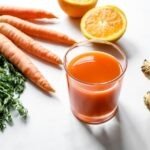
When most people visualise a carrot, a vibrant orange vegetable immediately comes to mind. It is a staple of salads, roasts, and lunchboxes across the United Kingdom. However, carrots were not always orange. In fact, the original cultivated carrots from the Iranian Plateau and Afghanistan were predominantly purple or yellow.
Today, purple carrots are experiencing a renaissance in the culinary world and among health-conscious consumers. While they share the satisfying crunch and sweetness of their orange cousins, they boast a distinct nutritional profile that sets them apart. Their striking violet hue is not merely aesthetic; it indicates the presence of powerful antioxidants known as anthocyanins.
If you are looking to diversify your vegetable intake or add a splash of colour to your plate, understanding the unique benefits of this ancient root vegetable is essential. This article provides an exhaustive look at the nutritional profile, health benefits, and culinary uses of purple carrots.
A Historical Perspective on Carrots
Before diving into the nutrition, it helps to understand the lineage of this vegetable. Western cultivation eventually favoured orange carrots—likely a mutation selected by Dutch growers in the 17th century to honour the House of Orange. Consequently, purple varieties became an heirloom rarity.
However, modern science has reignited interest in these heritage varieties. Unlike orange carrots, which rely heavily on beta-carotene for their pigment, purple carrots contain a complex profile of phytochemicals. This makes them a functional food of significant interest for preventative health strategies.
Nutritional Breakdown
All carrots are low in calories and high in fibre, making them a weight-loss-friendly food. However, the micronutrient composition varies between colours. Purple carrots provide a similar amount of Vitamin A and beta-carotene to orange ones (especially if they have an orange core), but they offer the added bonus of water-soluble pigments.
Here is a general nutritional comparison for 100 grams of raw carrots:
| Nutrient | Purple Carrots (Approx) | Orange Carrots (Standard) |
|---|---|---|
| Calories | 41 kcal | 41 kcal |
| Carbohydrates | 10 g | 10 g |
| Dietary Fibre | 2.8 g | 2.8 g |
| Sugar | 4.7 g | 4.7 g |
| Protein | 0.9 g | 0.9 g |
| Anthocyanins | High | None |
| Beta-Carotene | High | Very High |
| Alpha-Carotene | Moderate | High |
| Lutein | Moderate | Low |
While the caloric load is identical, the phytonutrient density is where purple carrots excel. They are a robust source of potassium, vitamin C, manganese, and vitamin K1.

The Power of Anthocyanins
The primary differentiator of purple carrots is their high concentration of anthocyanins. These are flavonoid pigments responsible for the red, purple, and blue colours in many fruits and vegetables, such as blueberries, blackberries, and aubergines.
Potent Antioxidant Activity
Anthocyanins are renowned for their antioxidant properties. Antioxidants help neutralise free radicals—unstable molecules that can damage cells and contribute to ageing and chronic diseases. Research suggests that the antioxidant capacity of purple carrots can be significantly higher than that of orange varieties due to this specific compound.
According to studies on flavonoid-rich foods, consuming dietary anthocyanins may help lower oxidative stress in the body. You can read more about antioxidants and their roles here.
Anti-Inflammatory Effects
Chronic inflammation is a root cause of many ailments, including arthritis, heart disease, and metabolic syndrome. The bioactive compounds in purple carrots act similarly to anti-inflammatory drugs by inhibiting certain inflammatory pathways in the body. By reducing systemic inflammation, regular consumption of these carrots may support long-term health.
Key Health Benefits
Incorporating purple carrots into your diet offers benefits that go beyond basic nutrition. Here is what the science says regarding their specific impacts on health.
1. Heart Health and Cholesterol Management
Cardiovascular disease remains a leading cause of concern globally. The fibre content in carrots helps lower blood cholesterol levels by binding to bile acids in the digestive tract. However, the anthocyanins in purple carrots provide an extra layer of protection.
Studies indicate that anthocyanins may improve blood vessel health and arterial stiffness. Furthermore, they help prevent the oxidation of LDL (bad) cholesterol, a critical step in the development of atherosclerosis (hardening of the arteries). For more on heart-healthy diets, the American Heart Association offers extensive guidelines.
2. Metabolic Syndrome and Weight Control
With a high water content (around 88%) and significant dietary fibre, carrots promote satiety. Eating fibre-rich foods helps you feel full longer, reducing the likelihood of overeating.
Interestingly, animal studies have suggested that purple carrot juice may reverse high-carbohydrate, high-fat diet-induced metabolic changes. This includes improvements in glucose tolerance and blood pressure regulation. While more human trials are needed, the implications for managing type 2 diabetes and metabolic syndrome are promising. Read more about dietary fibre benefits.
3. Vision and Eye Health
We have all heard that carrots are good for our eyes, and purple varieties are no exception. They still contain beta-carotene (which the body converts to Vitamin A) and lutein. These nutrients are vital for protecting the retina from blue light damage and preventing age-related macular degeneration.
Vitamin A deficiency is a leading cause of preventable blindness, making the inclusion of carotenoid-rich foods essential. Learn more about the nutrients essential for eye health.
4. Cognitive Function
Oxidative stress is a major factor in cognitive decline. The neuroprotective properties of anthocyanins may assist in maintaining brain health as we age. By improving blood flow to the brain and reducing neuronal inflammation, the compounds found in purple carrots could play a role in preserving memory and cognitive sharpness.
Culinary Uses and Preparation
Purple carrots have a flavour profile that is often described as intensely sweet, sometimes with a subtle peppery or earthy undertone. Their texture is generally crunchy, making them versatile in the kitchen.
How to Eat Them
- Raw: Sliced into batons for hummus or grated into salads. Note that the purple pigment is water-soluble, so it may bleed into dressings.
- Roasted: Roasting intensifies their natural sweetness. Toss with olive oil, sea salt, and thyme for a simple side dish.
- Pickled: The acid in vinegar can turn the purple hue into a brilliant bright pink or red, making them a stunning addition to charcuterie boards.
- Juiced: For a nutrient-dense drink, purple carrots can be juiced. However, be aware the juice is potent and can stain.
The “Bleeding” Effect
One practical consideration when cooking with purple carrots is that their colour runs. If you boil them in a soup, the broth will likely turn a dark purple or brown colour. To maintain distinct colours in a dish, it is often best to roast or steam them separately and add them at the end.
Practical Tips for Selection and Storage
To get the most out of this vegetable, proper selection and storage are key.
- Selection: Look for carrots that are firm and rigid. Avoid any that are limp, rubbery, or have visible cracks. The colour should be deep and consistent.
- Storage: Remove the green tops immediately after purchase, as they draw moisture away from the root. Store the carrots in the crisper drawer of your fridge, ideally in a perforated bag to allow for airflow while retaining humidity.
- Preparation: Peeling purple carrots often reveals an orange or yellow core. If you wish to keep the maximum amount of purple antioxidant power, scrub them well but leave the skin on, as much of the anthocyanin content is concentrated in the outer layers.
Safety and Side Effects
For the vast majority of people, purple carrots are perfectly safe. However, there are minor considerations:
- Carotenemia: Consuming excessive amounts of carrots can cause the skin to turn a yellow-orange colour due to beta-carotene accumulation. This is harmless and reversible.
- Allergies: Though rare, some individuals may have an allergy to carrots, often related to birch pollen cross-reactivity (oral allergy syndrome).
- Staining: As mentioned, the anthocyanins act as a strong dye. Wash your hands and chopping boards promptly after handling to avoid lingering purple stains.
The Bottom Line
Purple carrots are more than just a novelty item in the produce aisle; they are a nutritional powerhouse. By combining the classic benefits of orange carrots—such as beta-carotene and fibre—with the potent antioxidant properties of anthocyanins, they offer a unique dual-action boost for your health.
Whether you are looking to support heart health, reduce inflammation, or simply make your dinner plate more visually appealing, swapping standard carrots for the purple variety is a smart, scientifically supported choice. Their sweet, earthy flavour and satisfying crunch make them an easy addition to almost any meal plan.
Next time you are at the market, look for these violet gems. Your body—and your taste buds—will thank you.
Helpful External Resources
- Healthline: Antioxidants Explained
- PubMed: Anthocyanins and Human Health
- USDA FoodData Central
- Harvard Health: Phytonutrients
- WebMD: Lutein and Eye Health
- Medical News Today: Anti-inflammatory Foods
- Mayo Clinic: Dietary Fibre
- NHS: 5 A Day Guidelines
- American Heart Association: Fruits and Veg
- ScienceDirect: Bioavailability of Carotenoids