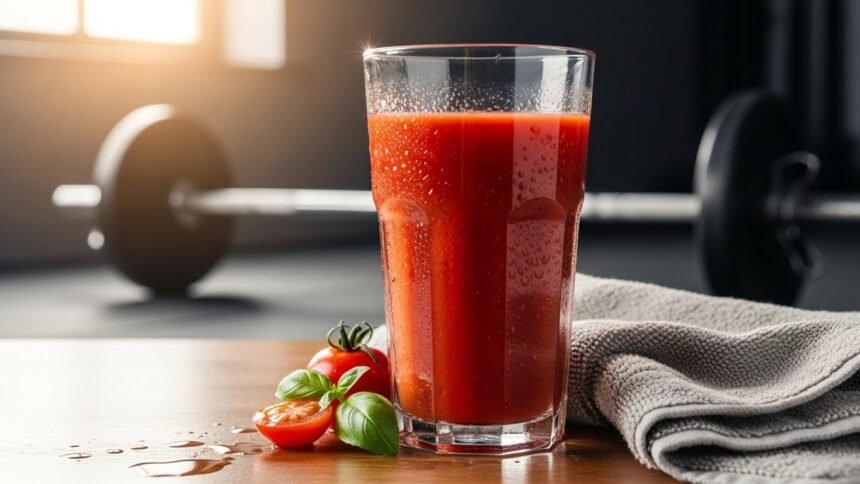
We have all experienced that familiar feeling after a particularly intense session at the gym. You have pushed your body to its limits, achieved a new personal best, and walked out feeling accomplished. However, the next morning, reality sets in. Your muscles ache, your energy levels are depleted, and the thought of tackling stairs seems impossible.
In the quest for faster recovery, many of us turn to expensive protein shakes, brightly coloured sports drinks, or specialist supplements. But what if the secret to better recovery was sitting in your kitchen cupboard right now?
Recent discussions in the fitness community have highlighted a surprising contender for post-exercise nutrition: tomato juice. It is savoury, rich, and certainly not the first thing you imagine drinking after a run. Yet, emerging science suggests that tomato juice for recovery might be more effective than traditional isotonic drinks.
Could this humble beverage actually aid muscle repair and rehydration? Let’s explore the evidence to see if you should swap your chocolate milk for a glass of red juice.
Overview: The Red Elixir of Recovery
For decades, the fitness industry has marketed glucose-heavy drinks as the gold standard for replenishing glycogen stores. While carbohydrates are essential, the body’s needs after physical exertion go far beyond simple sugar.
When you exercise, your body undergoes several physiological changes. You lose water and electrolytes through sweat, your muscle fibres sustain microscopic tears (which lead to growth), and oxidative stress increases due to the higher demand for oxygen. To recover effectively, you need a beverage that addresses all three issues: rehydration, inflammation reduction, and energy replenishment.
Tomato juice presents a unique nutritional profile that ticks these boxes surprisingly well. Unlike sugary synthetic drinks, it is a complex natural fluid. It contains vital electrolytes like potassium and sodium, which are crucial for fluid balance. Furthermore, it is packed with bioactive compounds, specifically lycopene, which may play a pivotal role in combatting the oxidative damage caused by heavy lifting or endurance cardio.
According to a detailed breakdown by Healthline, tomatoes are the major dietary source of the antioxidant lycopene, which has been linked to many health benefits, including reduced risk of heart disease and cancer. In the context of sports recovery, this antioxidant capacity is exactly what scientists are investigating.
The Science: Why Tomato Juice Works
To understand whether tomato juice for recovery is science or hype, we must break down the specific mechanisms at play within the body post-exercise.
1. Electrolyte Replenishment
Sweat is not just water; it is a mixture of salts, primarily sodium and potassium. If you only drink plain water after a long run, you risk diluting your blood sodium levels, a condition known as hyponatraemia. This is why isotonic sports drinks are popular—they replace lost salts.
Tomato juice is naturally rich in potassium. Potassium is vital for preventing muscle cramps and maintaining proper nerve function. A single cup of tomato juice can provide significantly more potassium than a banana. Additionally, commercial tomato juice often contains sodium. While we are often told to reduce salt, the British Heart Foundation notes that sodium is necessary for specific bodily functions, including fluid retention after heavy sweating.
2. Combating Oxidative Stress with Lycopene
Exercise induces oxidative stress. While this is a natural signal for the body to adapt and get fitter, excessive free radical damage can prolong soreness and delay recovery. This is where lycopene shines.
Lycopene is the carotenoid that gives tomatoes their bright red colour. It is a powerful antioxidant. Research indicates that consuming tomato juice can reduce markers of muscle damage, such as lactate dehydrogenase (LDH) and creatine phosphokinase (CPK), appearing in the bloodstream after exercise. A study highlighted by Medical News Today suggests that antioxidants can significantly mitigate the inflammatory response in athletes.
3. Blood Glucose and Glycogen Restoration
While tomato juice has a lower glycaemic index (GI) compared to sugary energy drinks, it still provides natural sugars required to top up glycogen stores. The NHS recommends a balanced intake of fruit and vegetables to maintain energy levels throughout the day.
For high-intensity athletes, tomato juice offers a steady release of energy without the sharp insulin spike and subsequent crash associated with high-fructose corn syrup beverages found in many vending machines.
4. Comparison with Commercial Sports Drinks
Many commercial drinks are chemically formulated to mimic the fluid composition of the human body. However, they often lack the micronutrients—vitamins A, C, and E—that occur naturally in vegetable juices.
According to the British Nutrition Foundation, hydration is critical for performance. Tomato juice provides this hydration with the added bonus of vitamins that support the immune system, which can be temporarily suppressed after rigorous training.

Nutritional Comparison Table
The following table compares 250ml of standard tomato juice against water and a typical isotonic sports drink.
| Component | Tomato Juice (250ml) | Sports Drink (250ml) | Water (250ml) |
|---|---|---|---|
| Calories | ~42 kcal | ~60-80 kcal | 0 kcal |
| Carbohydrates | 9g | 15-20g | 0g |
| Protein | 2g | 0g | 0g |
| Potassium | High (~550mg) | Low (~30-50mg) | Trace |
| Sodium | Variable (often added) | Moderate (~110mg) | Trace |
| Antioxidants | High (Lycopene, Vit C) | Low/None | None |
| Glycaemic Index | Low | High | N/A |
Diagnosis and Treatment: Recognizing Recovery Needs
How do you know if your current recovery protocol is failing? If you constantly feel fatigued, experience prolonged Delayed Onset Muscle Soreness (DOMS) lasting more than 72 hours, or suffer from frequent cramping, your post-workout nutrition may be lacking.
Signs of Poor Recovery
- Persistent Muscle Soreness: While some soreness is normal, pain that prohibits movement suggests excessive inflammation.
- Dark Urine: A clear sign of dehydration.
- Headaches: Often caused by electrolyte imbalance.
- Brain Fog: Low blood sugar or poor rehydration.
If you recognise these symptoms, switching your recovery drink might be the “treatment” you need. Integrating tomato juice can help address the electrolyte imbalance and oxidative stress simultaneously.
Experts at Harvard Health emphasise that getting antioxidants from whole food sources is generally superior to taking pill supplements. The synergy of nutrients in a tomato—fluid, sugar, salt, and lycopene—works better together than isolated ingredients.
Tips for Management and Integration
Incorporating tomato juice into your routine is simple, but there are best practices to ensure you get the maximum benefit without unwanted side effects.
1. Timing is Key
The “anabolic window” is a debated concept, but rehydrating immediately after sweating is not. Aim to drink a glass within 20-30 minutes of finishing your session. This helps stabilise your heart rate and replenish fluids immediately.
2. Watch the Sodium Content
Store-bought tomato juice can be very high in salt. If you have hypertension or have been advised to lower your sodium intake, look for “low sodium” varieties or make your own at home using a blender and fresh, ripe tomatoes. The GOV.UK guidelines suggest being mindful of hidden salts in processed foods.
3. Add a Protein Source
While tomato juice is excellent for carbs and electrolytes, it lacks significant protein. For a complete recovery meal, pair your glass of juice with a hard-boiled egg, a handful of almonds, or a small serving of Greek yoghurt. This ensures muscle protein synthesis is triggered alongside rehydration.
4. Listen to Your Stomach
Tomatoes are acidic. For some people, drinking a large volume of acidic juice immediately after jumping around can cause heartburn or acid reflux. If you have a sensitive stomach, dilute the juice with water or drink it slowly. BBC Good Food offers excellent advice on how to prepare tomato drinks that are gentler on the digestion.
Frequently Asked Questions
Can I just eat raw tomatoes instead?
Yes, you can, but juicing concentrates the nutrients. You would need to eat several tomatoes to get the same hydration and lycopene content found in a single glass of juice. Furthermore, heating tomatoes (as is often done during the pasteurisation of juice) actually makes lycopene more bioavailable.
Is tomato juice better than water?
For hydration during sedentary periods, water is best. However, for post-exercise recovery where salt and sugar replacement is required, tomato juice is superior to plain water. As noted by Cambridge University Press, beverages containing electrolytes retain fluid in the body better than water alone.
Will it help with hangovers too?
Interestingly, the mechanism is similar. The potassium and hydration can help replenish the body after alcohol consumption, although it is not a miracle cure.
What if I hate the taste?
Try mixing it with other vegetables like carrot or celery to mask the flavour. You can also add a dash of tabasco or lemon juice to make it more palatable, akin to a virgin Bloody Mary.
Are there any side effects?
Aside from potential acid reflux, consuming vast quantities of tomato products can rarely lead to skin discolouration (lycopenodermia), though this requires an immense intake. It is generally safe for most people. Always consult resources like Diabetes UK if you are managing blood sugar levels, though tomatoes are low GI.
The Bottom Line
Is tomato juice for recovery a magical cure-all? Perhaps not magic, but certainly scientifically sound.
The combination of high potassium, natural sugars, and powerful antioxidants makes tomato juice a formidable competitor to expensive, artificial sports drinks. It addresses the key pillars of recovery: rehydration, electrolyte balance, and oxidative stress reduction.
If you can stomach the savoury taste after a workout, swapping your neon-blue isotonic drink for a natural red one could improve your muscle recovery and overall health. As with any dietary change, listen to your body and prioritise a balanced approach to nutrition.
By choosing natural, nutrient-dense options, you are investing in your long-term health, not just your next gym session.