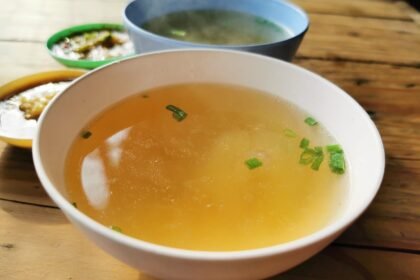
Tremella Mushroom: Could This Fungus Help Optimise Skin Hydration?
In the ever-evolving world of skincare, ingredients tend to come and go with the seasons. However, one ancient beauty secret has recently resurfaced, challenging modern staples like hyaluronic acid for the crown of hydration. That ingredient is the Tremella mushroom.
Also known as snow fungus or silver ear mushroom, this gelatinous fungus has been a staple in Traditional Chinese Medicine (TCM) for centuries. Historically reserved for royalty, it is now making waves in contemporary dermatology for its remarkable ability to retain moisture and improve skin elasticity.
If you have been searching for a natural alternative to synthetic hydrators, or if your current routine is failing to combat dry, dull skin, Tremella mushroom skin benefits might be the solution you need. But does the science back up the hype?
This article explores the potential of Tremella mushroom for skin health, its mechanisms, safety profile, and how to integrate it into your regimen.
Overview: What Is Tremella Mushroom?
Tremella fuciformis, commonly referred to as the snow fungus, is a species of fungus that produces white, frond-like, gelatinous basidiocarps (fruiting bodies). It is widely cultivated in Asia and has a long history of use in cuisine and medicine.
Legend has it that Yang Guifei, one of the Four Beauties of ancient China, attributed her youthful, radiant complexion to the regular consumption of this mushroom. While anecdotes are compelling, modern science has begun to isolate exactly why this fungus is so beneficial.
The primary magic lies in its structure. Tremella is rich in polysaccharides, specifically long chains of carbohydrate molecules that hold water. These compounds are responsible for the mushroom's sponge-like texture and its ability to thrive in humid environments.
Today, you will find Tremella extract in everything from serums and moisturisers to oral supplements, all promising to deliver that coveted 'glass skin' glow. By understanding how Tremella mushroom skin products work, you can make an informed decision about adding them to your beauty arsenal.
The Science: How Tremella Optimises Hydration
To understand why Tremella is often compared to hyaluronic acid (HA), we must look at moisture retention at a molecular level.
Hyaluronic acid is a substance naturally produced by our bodies to keep tissues well-lubricated. It is famous for holding up to 1,000 times its weight in water. However as we age, our natural HA levels deplete, leading to wrinkles and loss of volume.
Research suggests that Tremella polysaccharides act similarly to HA. They draw moisture from the environment and bind it to the skin. However, there is a key difference that may give Tremella the edge: particle size.
Molecular Weight and Penetration
Some forms of hyaluronic acid have a large molecular weight, meaning they sit on top of the skin, creating a barrier but not necessarily penetrating deep into the dermis.
Tremella particles are generally smaller than those of standard hyaluronic acid. This lower molecular weight allows the hydration to penetrate deeper into the skin layers, potentially providing more lasting moisture rather than just a temporary surface fix.
Furthermore, the film formed by Tremella is flexible and soft, preventing the shrinkage that can sometimes occur with synthetic polymers. This leaves the skin feeling supple rather than tight.
Key Factors and Benefits for the Skin
While hydration is the headline act, the benefits of Tremella mushroom skin applications extend far beyond simple moisturising. This fungus is a powerhouse of bioactive compounds.
1. Superior Moisture Retention
The polysaccharides in Tremella form a protective film over the skin. This barrier helps to lock in moisture and prevent transepidermal water loss (TEWL), which is a primary cause of dry, flaky skin conditions.
For those living in dry climates or suffering from winter skin issues, this barrier function is critical for maintaining skin health.
2. Collagen Stimulation and Anti-Ageing
Hydration is only one part of the anti-ageing equation. We also need structural support. Tremella contains compounds that may stimulate the production of Type 1 collagen.
Collagen is the protein responsible for skin firmness. By boosting collagen synthesis, Tremella may help reduce the appearance of fine lines and improve overall skin elasticity. You can read more about the importance of collagen in this Healthline overview.
3. Antioxidant Protection
Oxidative stress caused by free radicals (from UV rays and pollution) is a leading cause of premature ageing. Tremella mushrooms are rich in antioxidants, which neutralise these harmful free radicals.
Specifically, Tremella stimulates superoxide dismutase (SOD), an enzyme that acts as a potent antioxidant in the body. By protecting skin cells from damage, it helps preserve a youthful complexion.
4. Anti-Inflammatory Properties
Inflammation is the root of many skin woes, including acne, eczema, and rosacea. The bioactive compounds in Tremella have demonstrated anti-inflammatory effects in clinical studies.
Applying Tremella-infused products can help soothe irritated skin, reduce redness, and promote faster healing of compromised skin barriers.
Comparison: Tremella vs. Hyaluronic Acid
To help you visualise the differences, here is a comparison of these two hydration giants:
| Feature | Hyaluronic Acid (HA) | Tremella Mushroom |
|---|---|---|
| Source | Often synthetic or bacteria-derived | Natural plant/fungi source |
| Water Retention | Up to 1000x its weight | Approximately 500x its weight |
| Particle Size | Varied (often larger) | Generally smaller (better penetration) |
| Texture | Can be sticky | Silky, non-sticky feel |
| Additional Benefits | Pure hydration | Antioxidant & Anti-inflammatory |
Treatment and Management: How to Use Tremella
Integrating Tremella mushroom skin products into your routine is relatively straightforward, as the ingredient is versatile and generally well-tolerated. Here are the primary methods of administration.
Topical Application
The most direct way to benefit skin hydration is through topical products. You can find Tremella in:
- Serums: High concentrations for targeted hydration.
- Creams: Good for locking in moisture as a final step.
- Sheet Masks: For an intensive weekly treatment.
Look for products where Tremella fuciformis is listed high on the ingredient list, rather than as an afterthought at the bottom.
Oral Supplementation
Because beauty starts from within, eating Tremella is also highly beneficial. In TCM, it is often boiled into a sweet soup with jujubes and goji berries.
Modern supplements provide encapsulated extracts or powders that can be added to coffee or smoothies. Oral consumption supports systemic hydration and may offer immune-boosting benefits alongside skin improvements, as noted in nutritional studies.
Safety and Side Effects
Tremella is considered a food-grade ingredient and is generally safe for most people. It is non-toxic and gentle.
However, as with any botanical ingredient, there is a risk of allergic reaction. If you have a known mushroom allergy, you should exercise caution.
Always perform a patch test before applying a new product to your face:
- Apply a small amount of product behind your ear or on the inner arm.
- Wait 24 to 48 hours.
- Check for redness, itching, or swelling.
If you are pregnant or breastfeeding, consult your GP before starting oral supplements, just to be safe.
Practical Tips for Optimising Results
To get the most out of your Tremella mushroom skin care, follow these professional tips for application and lifestyle integration.
1. Apply to Damp Skin
Like all humectants, Tremella works best when there is moisture available to grab. After cleansing, do not dry your face completely. Apply your Tremella serum while your skin is still slightly damp. This allows the polysaccharides to trap that surface water into the skin.
2. Layer Correctly
Order matters in skincare. If using a Tremella serum:
- Cleanser
- Toner
- Tremella Serum
- Heavier Moisturiser/Oil (to seal everything in)
3. Combine with Vitamin C
Tremella's antioxidant properties pair beautifully with Vitamin C. While Vitamin C brightens, Tremella soothes and hydrates, counteracting the potential drying effects of high-strength Vitamin C serums.
For more on layering antioxidants, refer to dermatological advice on antioxidant synergy.
4. Consistency is Key
Natural ingredients often take longer to show dramatic results compared to harsh actives like retinoids. Use Tremella consistently twice a day for at least 4 to 6 weeks to see significant improvements in skin texture and hydration levels.
5. Check the Formulation
Ensure your product is free from drying alcohols or harsh fragrances which could counteract the hydrating benefits of the mushroom. A simple formulation is often the most effective.
The Bottom Line
The Tremella mushroom skin trend is more than just a passing fad; it is a rediscovery of a potent, natural hydrator that rivals the best synthetic ingredients on the market today.
With its unique ability to hold moisture, penetrate deep into the dermis, and provide antioxidant protection, Tremella offers a holistic approach to skincare. It addresses not just dryness, but the overall health and resilience of the skin barrier.
Whether you choose to apply it topically via a silky serum or consume it as a supplement, this "snow fungus" could be the missing link in your quest for a dewy, youthful complexion.
As always, listen to your skin. If you are struggling with chronic dry skin conditions like eczema or psoriasis, while Tremella can help, it is vital to consult a dermatologist for a comprehensive treatment plan. You can find more resources on managing dry skin at DermNet NZ.
If you are ready to switch up your hydration game, Tremella mushroom might just be the gentle, nature-derived powerhouse you have been waiting for.
References:
- Medicinal Value of Edible Mushroom Tremella fuciformis
- Hyaluronic Acid: Benefits and Uses
- Skin Anti-aging Strategies
- Bioactivities of Tremella polysaccharides
- Antioxidant activities of Tremella fuciformis
- Benefits of Collagen for Skin
- Anti-inflammatory effects of mushroom extracts
- FDA: Cosmetics Safety Q&A
- Tremella fuciformis properties – ScienceDirect
- Dry Skin Management – DermNet