Kale has arguably become the poster child for the healthy eating movement over the last decade. Once primarily used as a garnish for salad bars, this cruciferous vegetable has ascended to superfood status, appearing in everything from smoothies to chips. However, walking into the produce aisle can sometimes be confusing. Not all kale is created equal; different varieties offer distinct textures, flavor profiles, and culinary applications.
Understanding the nuances between these types can transform your cooking experience, turning a tough, fibrous leaf into a culinary delight. Whether you are looking for a tender leaf for a raw salad or a hardy green that can withstand a long braise, there is a specific kale variety suited for the job. In this guide, we will explore the six most common types of kale, their unique nutritional profiles, and the best ways to prepare them for maximum flavor and health benefits.
The Nutritional Powerhouse: Why Eat Kale?
Before diving into the specific varieties, it is essential to understand why this vegetable belongs in your diet. Kale is a member of the Brassica family, sharing lineage with broccoli, cauliflower, and Brussels sprouts. It is remarkably nutrient-dense.
A single cup of raw kale contains significant amounts of vitamins A, K, and C, along with minerals like manganese, calcium, and potassium. According to the USDA FoodData Central, kale is low in calories but high in fiber, making it an excellent tool for weight management and digestive health. To learn more about how fiber impacts your system, read our guide on the surprising benefits of leafy greens.
1. Curly Kale (Scots Kale)
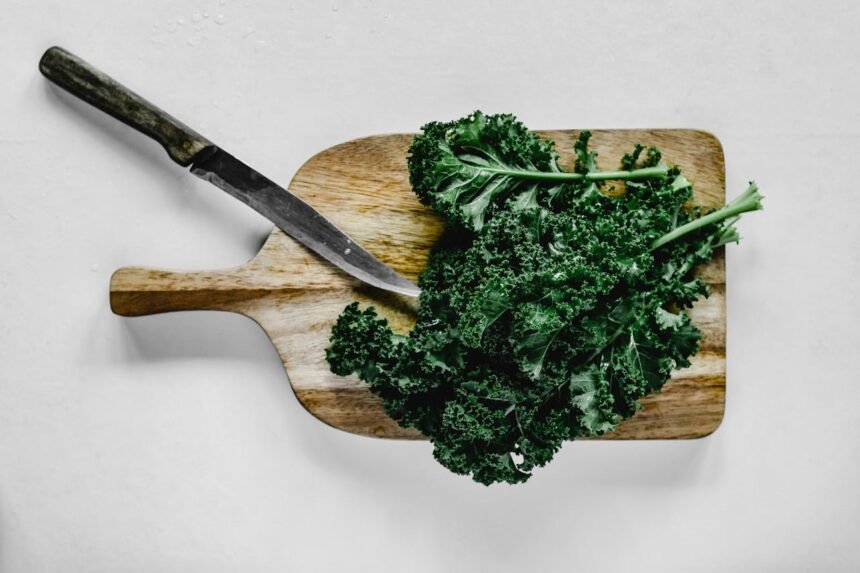
Appearance: This is the type you are most likely to see at your local grocery store. It is characterized by bright to deep green leaves with tight, ruffled edges and fibrous, tough stems.
Flavor Profile: Curly kale has a peppery, slightly bitter flavor that can be quite assertive. Because the leaves are so sturdy, they require a bit of work to make them palatable when raw.
How to Use It: Due to its distinct ruffles, curly kale has a lot of surface area, which makes it the absolute best candidate for crisping up. If you are looking for nutritious healthy snack ideas, curly kale is the variety used to make classic kale chips. The nooks and crannies hold onto oil and seasonings perfectly.
If you plan to eat it raw in a salad, you must remove the woody stems and “massage” the leaves with olive oil and lemon juice for 3 to 5 minutes. This breaks down the cellulose structure, turning the leaves tender and darker green. The Harvard T.H. Chan School of Public Health notes that preparing kale with healthy fats not only improves texture but aids in the absorption of fat-soluble vitamins.
2. Lacinato Kale (Dino Kale, Tuscan Kale)
Appearance: Known by many names—Dino kale, Tuscan kale, or Cavolo Nero—Lacinato kale looks prehistoric. It features long, narrow, dark blue-green leaves with a bumpy, pebbled texture resembling dinosaur skin.
Flavor Profile: Lacinato is widely considered the best-tasting kale variety. It is sweeter, earthier, and more delicate than curly kale, with a nutty aftertaste.
How to Use It: This variety is a staple in Italian cuisine, particularly in soups like Ribollita. Because the leaves are flatter and less fibrous than curly kale, they cook down much faster. It is an excellent addition to the Mediterranean diet lifestyle.
Lacinato kale is also ideal for raw salads because it does not require as much massaging as curly kale. Simply slice it into thin ribbons (chiffonade) and toss with a vinaigrette. Studies highlighted by the National Center for Biotechnology Information (NCBI) suggest that the antioxidant profile of dark varieties like Lacinato plays a crucial role in reducing oxidative stress in the body.
3. Red Russian Kale
Appearance: Red Russian kale is visually striking. It has flat, fringed leaves that look somewhat like arugula or oak leaves. The leaves are a slate-green color with vibrant reddish-purple stems and veins.
Flavor Profile: This variety is significantly sweeter and more tender than curly or Lacinato kale. It lacks the intense bitterness often associated with the Brassica family.
How to Use It: Because of its tenderness, Red Russian is the premier choice for raw consumption. It is often found in baby kale salad mixes. It adds a beautiful pop of color to any dish. If you are exploring a raw food diet plan, this should be your go-to green. While it can be cooked, it wilts very quickly—similar to spinach—so it should be added only at the very end of the cooking process.
4. Redbor Kale
Appearance: Redbor kale is a showstopper. It can grow up to three feet tall and features deep purple, tightly curled leaves. It is so beautiful that it is often grown as an ornamental plant in gardens, yet it is fully edible.
Flavor Profile: It tastes very similar to curly kale but offers a slightly cabbage-like flavor. Interestingly, the color and sweetness of Redbor kale can intensify after a frost.
How to Use It: Use Redbor exactly as you would curly kale. It makes fantastic purple kale chips and holds up well in hearty stews. The purple pigment indicates the presence of anthocyanins, potent antioxidants found in other purple foods. For more on this, check out our article on why purple vegetables are essential.
According to the Mayo Clinic, varying the colors of vegetables in your diet ensures you are receiving a broad spectrum of phytonutrients, making Redbor a smart choice for dietary diversity.
5. Siberian Kale
Appearance: Siberian kale has enormous, grey-green, ruffled leaves. It is one of the hardiest varieties available and can withstand very cold temperatures.
Flavor Profile: It has a mild flavor that becomes incredibly sweet after being exposed to frost or cold weather. It is generally softer than curly kale but heartier than Red Russian.
How to Use It: This type is excellent for sautéing. Its high oil content makes it particularly succulent when cooked with garlic and onions. It is a fantastic crop for those interested in growing winter vegetables.
When cooking Siberian kale, you are also doing your heart a favor. The American Heart Association emphasizes that increasing dietary fiber from sources like sturdy greens can help lower cholesterol and reduce the risk of heart disease.
6. Chinese Kale (Gai Lan)
Appearance: Distinct from the other kales on this list, Chinese kale (or Gai Lan) resembles broccoli rabe. It has wide, flat, blue-green leaves and thick, crisp stems. It often is sold with small flower heads.
Flavor Profile: The flavor is similar to broccoli but slightly more bitter and stronger. The stems are sweet and crunchy, while the leaves are tender.
How to Use It: This is the standard kale for stir-fries in Asian cuisine. It is delicious blanched and served with oyster sauce or sautéed with ginger. If you enjoy experimenting with international flavors, try substituting it in your favorite easy vegetable stir-fry recipes.
General Preparation Tips for All Kale Types
Regardless of the variety you choose, proper preparation is key to enjoying kale. Here are a few universal tips:
- De-stemming: For Curly, Lacinato, Redbor, and Siberian kale, the stems are often too fibrous to eat comfortably. Hold the end of the stem and pull your hand down the leaf to strip it off. Save the stems for vegetable stock!
- Washing: Kale leaves can trap dirt and sand. Submerge the leaves in a large bowl of cold water, swish them around, and let the grit settle to the bottom before lifting the greens out.
- Storage: Store kale unwashed in the refrigerator wrapped in a damp paper towel inside a plastic bag. It usually stays fresh for 5 to 7 days.
Health Considerations and Safety
While kale is a superfood, there are a few considerations to keep in mind regarding its consumption.
Vitamin K and Blood Thinners
Kale is incredibly high in Vitamin K, which plays a vital role in blood clotting. According to the National Institutes of Health (NIH), sudden changes in Vitamin K intake can interfere with blood-thinning medications like Warfarin. If you are on such medication, it is crucial not to eliminate kale but to keep your intake consistent. You should monitor for any unusual signs of vitamin deficiency or interaction.
Thyroid Health
Kale contains goitrogens, compounds that can interfere with thyroid function if consumed in very large amounts raw. However, cooking kale deactivates most of these compounds. The Cleveland Clinic assures that for the vast majority of people, moderate consumption of raw kale is perfectly safe and the benefits far outweigh the risks. If you have existing thyroid issues, consult our guide on nutrition for thyroid health.
Micronutrients and Eye Health
Kale is one of the best sources of Lutein and Zeaxanthin, carotenoids that protect the eyes from macular degeneration. The Centers for Disease Control and Prevention (CDC) highlights the importance of micronutrients in preventing chronic diseases. Integrating kale into your diet is a proactive step for vision preservation. Learn more about natural foods for eye health.
The Bottom Line
Kale is far more than a single green leaf; it is a diverse family of vegetables that offers a spectrum of flavors, textures, and health benefits. From the prehistoric-looking Lacinato to the vibrant Redbor, incorporating these different types of kale into your diet can prevent palate fatigue and ensure you are getting a wide array of nutrients.
Whether you massage it for a salad, roast it into chips, or stir-fry it with ginger, kale remains one of the most nutrient-dense foods available. By understanding the unique properties of each variety, you can elevate your culinary skills and improve your health simultaneously.
For further reading on how vegetables contribute to cancer prevention, the National Cancer Institute provides excellent resources on cruciferous vegetables.