Navigating the world of newborn essentials can be overwhelming for new parents. Among the nappies, vests, and muslin cloths, there is one small but mighty item that often goes overlooked until it is desperately needed: nursing pads. Also known as breast pads, these absorbent circles are a lifesaver for breastfeeding mums, protecting clothes from unexpected leaks and keeping nipples dry and healthy.
Whether you are packing your hospital bag or struggling with damp tops weeks into your breastfeeding journey, this comprehensive guide covers everything you need to know. We will explore the differences between disposable and reusable options, discuss hygiene to prevent infections like thrush, and help you find the best reusable nursing pads UK retailers have to offer.
What Are Nursing Pads and Why Do You Need Them?
Nursing pads are essentially absorbent liners that fit inside your bra to soak up leaking breast milk. Leaking is a completely normal physiological response, particularly in the early days of breastfeeding when your milk supply is establishing itself.
The Science of Leaking
Leaking often occurs due to the ‘let-down reflex’, which is triggered by the hormone oxytocin. This can happen when you hear your baby cry, think about them, or even whilst having a warm shower. It is also common for one breast to leak whilst you are feeding from the other. For detailed advice on the physiology of breastfeeding, the NHS – Common Breastfeeding Problems page offers excellent medical insight.
> Expert Note: Not everyone leaks, and the amount of leakage does not necessarily indicate low or high milk supply. It is simply how your unique body manages the let-down reflex.
Types of Nursing Pads: Which is Right for You?
Choosing the right pad depends on your lifestyle, flow, and skin sensitivity. Generally, they fall into two main categories: disposable and reusable.
Disposable Nursing Pads
These are single-use pads often made from absorbent synthetic materials similar to nappies. They usually come with an adhesive strip to stick to your bra.
* Pros: Convenient for travel, high absorbency, hygienic.
* Cons: Expensive over time, create landfill waste, can feel ‘plasticky’.
Reusable (Washable) Nursing Pads
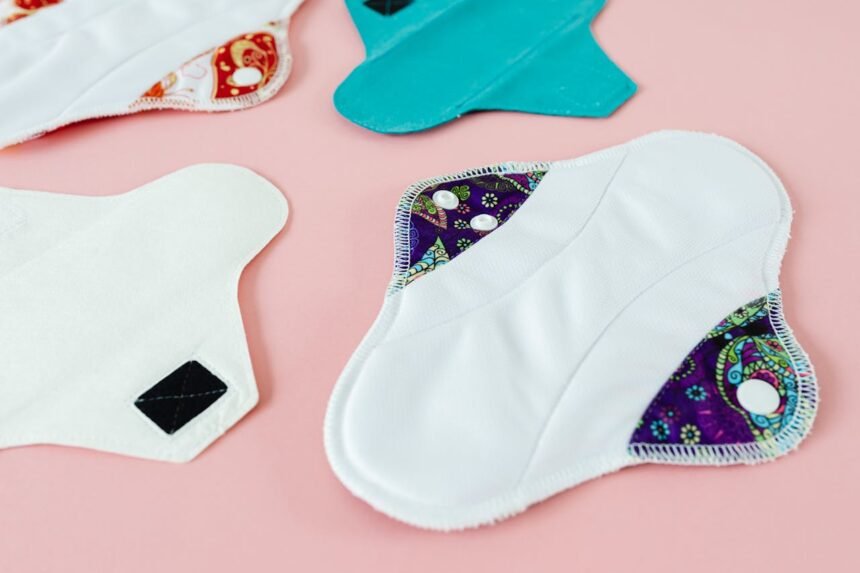
Washable pads are made from fabrics like cotton, bamboo, or hemp. They can be washed in a machine and reused hundreds of times.
* Pros: Eco-friendly, softer on sensitive skin, cost-effective in the long run.
* Cons: Require laundry, need changing frequently to stay dry.
If you are looking for eco friendly breast pads*, reusables are the clear winner. Many mums find that investing in a stash of *organic cotton breast pads saves money within the first few months compared to buying boxes of disposables.
Silicone Nursing Pads
Unlike absorbent pads, silicone nursing pads review articles often highlight that these work by applying gentle pressure to the nipple to prevent the milk from leaking out in the first place. They are non-absorbent and can be a good option for swimming or evening wear, though they may not be suitable for all-day use due to trapped moisture.
Material Matters: Bamboo vs Cotton vs Synthetic
When selecting washable pads, the fabric choice is crucial for comfort and absorption.
Bamboo Nursing Pads vs Cotton
This is a common debate. Bamboo nursing pads vs cotton is a frequent search for eco-conscious mums.
Bamboo:** Highly absorbent, naturally antibacterial, and incredibly soft. Bamboo wicks moisture away from the skin effectively, making it a top choice for *nursing pads for sensitive skin.
* Cotton: Breathable and natural. Organic cotton is excellent for air circulation but may feel wetter against the skin faster than bamboo.
For mums with heavy flow, looking for breast pads for heavy leaking often leads to pads with a bamboo core and a waterproof backing (PUL) to ensure clothes stay dry.
How to Choose the Best Nursing Pads
- Absorbency: For the early days, you need maximum absorbency. Later on, thinner pads may suffice.
- Shape:* Contoured pads fit the natural curve of the breast better than flat discs, preventing *breast pads bunching up inside your bra.
- Backing:* Ensure reusables have a waterproof layer if you are prone to heavy leaks. *Waterproof nursing pads are essential for work or outings.
- Size: Some brands offer larger diameters for better coverage, which is helpful for night use.
For overnight protection, specifically look for night time nursing pads, which are often larger and thicker to handle longer periods without a change.
Using Nursing Pads Correctly: Hygiene and Care
Proper usage is vital not just for keeping dry, but for preventing infections. Warm, moist environments are breeding grounds for bacteria and fungal infections.
How Often to Change Breast Pads
A common question is how often to change breast pads. The answer is: as soon as they become damp.
* Daytime: Check every few hours. Do not wait for them to be soaked.
* Night: Change if you wake up for a feed.
Leaving a wet pad against your skin can lead to sore nipples and increases the risk of thrush.
Preventing Thrush with Breast Pads
Thrush is a fungal infection that can cause severe nipple pain. Preventing thrush with breast pads involves keeping the nipple area dry and allowing air to circulate.
* Change pads frequently.
* Wash reusable pads at 60°C to kill fungal spores.
* Avoid plastic-backed pads if you have recurring infections; opt for breathable washable breast pads benefits like increased airflow.
For more information on symptoms, visit The Breastfeeding Network – Thrush or the National Health Service – Thrush page.

Disposable vs Reusable: Cost and Eco-Impact
The disposable vs reusable breast pads cost analysis heavily favours reusables. While a box of disposables might cost £5–£10 and last two weeks, a set of 10 high-quality reusable pads might cost £15–£20 and last for your entire breastfeeding journey (and subsequent children).
Environmentally, the choice is stark. Disposables contribute to the millions of nappies and pads entering landfill annually. Organisations like Unicef UK – Baby Friendly Initiative often advocate for sustainable choices where possible, provided they do not compromise hygiene.
DIY Solutions and Care
Some resourceful mums opt for homemade nursing pads. You can sew these using layers of flannel or old cotton t-shirts. While they may not be as waterproof as store-bought ones with a PUL layer, they are a great emergency solution.
Washing Your Pads
To maintain absorbency:
* Wash in a mesh laundry bag to avoid losing them in the machine.
* Avoid fabric softeners, as they coat the fibres and reduce absorbency.
* Tumble dry low or air dry (sunlight helps bleach stains naturally).
Where to Find Support
If you are struggling with leaking, soreness, or latch issues, do not suffer in silence. The UK has excellent resources:
* Start for Life – Breastfeeding offers tailored advice for new mums.
* La Leche League GB – Mastitis provides specific guidance if leaking leads to blocked ducts.
* NCT – Breastfeeding Support connects you with local counsellors.
* Association of Breastfeeding Mothers is a charity dedicated to supporting breastfeeding families.
Remember, your comfort is paramount. Whether you choose the convenience of disposables or the softness of bamboo, the right nursing pad can make your breastfeeding journey significantly smoother.
Frequently Asked Questions (FAQ)
1. Do I really need nursing pads?
Most breastfeeding women will experience some leaking, especially in the first few months. While not everyone needs them long-term, having a box on hand for the early days is highly recommended to protect your clothing and avoid embarrassment.
2. Can nursing pads cause mastitis?
If wet pads are left on for too long, they can create a breeding ground for bacteria, potentially leading to mastitis or thrush. However, pads themselves do not cause it; poor hygiene and infrequent changing are the risks. Ensure you change them as soon as they feel damp. See the Royal College of Midwives or Tommy’s – Pregnancy Hub for more on breast health.
3. How many reusable nursing pads do I need?
For a full-time breastfeeding mum, 10 to 14 pairs is a good number. This allows you to use 3-4 pairs a day and not have to do laundry every single day. If you have a very heavy flow, you might want a few extra pairs of breast pads for heavy leaking.
4. Why do my breast pads smell?
trapped moisture and breast milk can develop a sour smell if not washed properly. For reusable pads, ensure they are washed hot (60°C) occasionally and rinsed thoroughly. If the smell persists, stripping the pads (a deep clean process) might be necessary. Avoid fabric softeners.
5. Can I wear nursing pads to sleep?
Yes, and you likely will need to! Look for night time nursing pads or larger reusable ones that offer more coverage. Just be sure to change them if you wake up for a feed to keep your skin healthy. For safe sleep advice generally, check the Lullaby Trust and general guidance on BabyCentre UK.