Star fruit, also known scientifically as Averrhoa carambola, is a popular tropical fruit celebrated for its distinctive shape and refreshing, tart flavour. For many, it is a healthy addition to a balanced diet, offering a rich source of vitamin C and fibre. However, beneath its waxy, yellow-green exterior lies a potential health hazard that many consumers are unaware of.
For individuals with compromised kidney function, and in rare cases those with healthy kidneys, eating star fruit can lead to severe complications. Understanding star fruit side effects is crucial for anyone with a history of renal issues. This article explores the science behind star fruit toxicity, the symptoms to watch for, and how to manage consumption safely.
Overview: A Double-Edged Sword
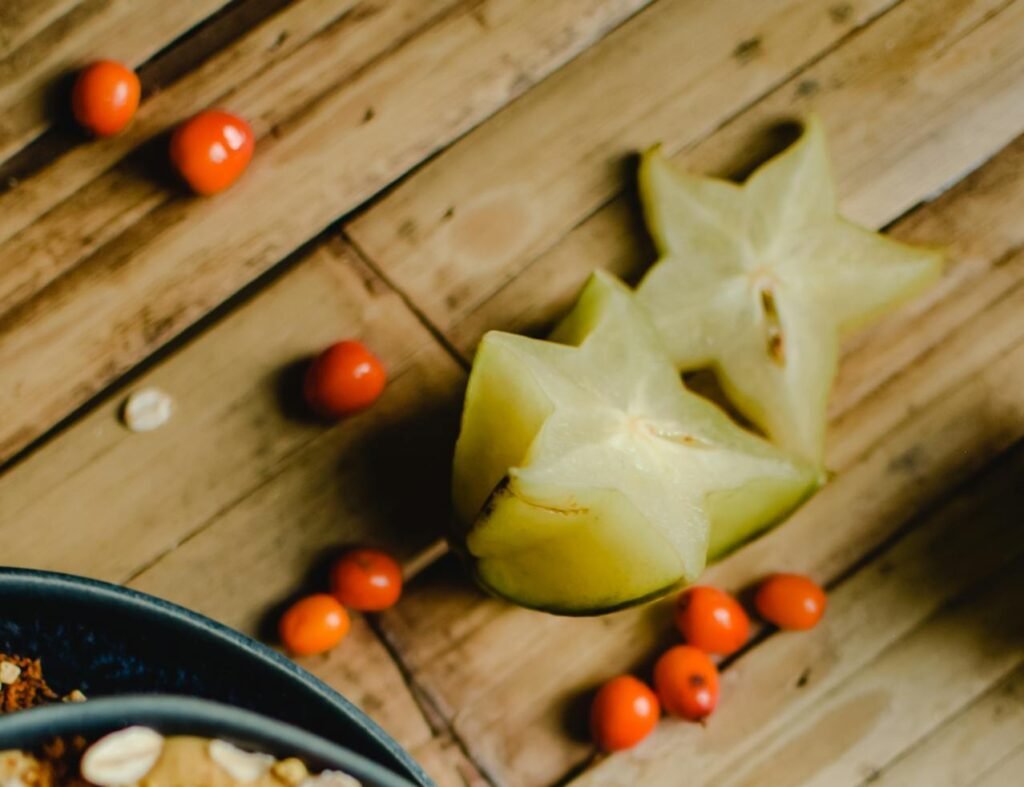
Star fruit is native to Southeast Asia but is now cultivated in tropical climates worldwide. It is often used in salads, juices, and as a decorative garnish. Nutritionally, it is low in calories and packed with antioxidants like quercetin and gallic acid. Despite these benefits, the fruit contains two specific substances that can be dangerous: oxalates and a neurotoxin called caramboxin.
In a healthy body, the kidneys filter out these toxins without issue. However, when the kidneys are not functioning correctly, these substances accumulate in the blood. This accumulation can lead to rapid onset toxicity, potentially causing seizures or even death if left untreated. Awareness is the first line of defence against these severe outcomes.
The Science of Toxicity: Causes and Factors
To truly understand why star fruit can be dangerous, we must look at its chemical composition. The toxicity is primarily driven by two main components: caramboxin and oxalic acid.
Caramboxin: The Neurotoxic Trigger
Caramboxin is a non-protein amino acid found in star fruit. It was only identified and named relatively recently by researchers investigating why kidney patients suffered neurological decline after eating the fruit.
Caramboxin shares a structural similarity to phenylalanine, an essential amino acid. Its danger lies in its ability to overstimulate the central nervous system. It acts as an agonist for glutamate receptors in the brain, causing hyperexcitability.
For a person with normal renal function, caramboxin is excreted efficiently. However, in patients with Chronic Kidney Disease (CKD), the kidneys cannot clear this toxin. It crosses the blood-brain barrier, leading to confusion, seizures, and other neurological symptoms. Studies published by the National Center for Biotechnology Information (NCBI) highlight that even small amounts can be fatal for those on dialysis.
Oxalic Acid and Nephropathy
Star fruit has one of the highest concentrations of oxalate of any fruit. Oxalates are naturally occurring compounds found in many foods, such as spinach and rhubarb.
When consumed in high quantities, oxalic acid can bind with calcium to form calcium oxalate crystals. In susceptible individuals, these crystals can deposit in the renal tubules, causing physical damage to the kidneys. This condition is known as acute oxalate nephropathy. According to the National Kidney Foundation, high oxalate intake is a leading cause of kidney stones, but in the context of star fruit, the sudden influx can precipitate acute kidney injury (AKI), even in people who previously had normal kidney function.
Risk Factors
While anyone can theoretically suffer from toxicity if they consume an immense quantity of the fruit or juice (especially on an empty stomach), specific groups are at significantly higher risk:
- Existing Kidney Disease: This is the most critical risk factor. Patients with Stage 3 to 5 CKD should avoid star fruit entirely.
- Dehydration: Being dehydrated concentrates the toxins in the blood and reduces the kidneys’ ability to filter them.
- Empty Stomach: Consuming the fruit without other foods typically increases the absorption rate of the toxins.
- The Elderly: Age-related decline in renal function often goes undiagnosed, making the elderly more susceptible to sudden toxicity.
Symptoms of Star Fruit Poisoning
Recognising the symptoms of star fruit side effects early can be a lifesaver. Symptoms can appear within an hour of ingestion or may be delayed for several hours. The progression of toxicity typically follows a pattern from mild to severe.
The “Hiccup” Warning Sign
One of the most distinct and commonly reported early symptoms of star fruit toxicity is intractable hiccups. While hiccups seem harmless, in the context of a kidney patient who has just eaten star fruit, they are a clinical red flag indicating neurological disturbance.
Symptom Progression Table
| Severity Level | Clinical Symptoms |
|---|---|
| Mild | Persistent hiccups, nausea, vomiting, insomnia, agitation. |
| Moderate | Mental confusion, psychomotor agitation, numbness or weakness in limbs (paraesthesia). |
| Severe | Seizures (epileptic fits), coma, haemodynamic instability (low blood pressure), shock. |
| Fatal | Cardiac arrest, complete neurological shutdown. |
If you experience persistent hiccups combined with nausea after eating this fruit, seeking immediate medical attention is vital. The Mayo Clinic notes that neurological changes in kidney patients often require rapid intervention.
Treatment and Management
There is no specific antidote for caramboxin poisoning. Management is supportive and focused on removing the toxin from the bloodstream as quickly as possible.
Immediate Medical Intervention
If a patient with known kidney issues ingests star fruit, they should be taken to an A&E department immediately, even if they are asymptomatic. The toxin acts quickly, and waiting for symptoms to appear can reduce the window for effective treatment.
Dialysis: The Gold Standard
Because caramboxin binds to proteins in the blood, it is difficult to remove through standard filtration. However, haemodialysis (filtering the blood through a machine) is currently the most effective treatment for severe cases.
Research published in BMC Nephrology suggests that peritoneal dialysis (filtering via the abdominal lining) is less effective at clearing caramboxin. Therefore, intensive haemodialysis is often required, sometimes daily, until symptoms resolve. In severe cases involving seizures, patients may need to be admitted to intensive care for airway management and anti-seizure medication.
Supportive Care
For patients with normal kidney function who develop acute oxalate nephropathy (kidney injury from crystals), treatment involves aggressive hydration to flush the crystals out and prevent permanent damage. Doctors may also use medications to manage nausea and vomiting. The FDA continues to monitor reports of natural toxins in foods to update safety guidelines.
Practical Tips for Safe Consumption
If you have healthy kidneys, you generally do not need to fear star fruit, but moderation is key. Here are practical steps to ensure safety:
- Know Your Status: Many people have mild kidney impairment without knowing it. An annual check-up with your GP is advisable.
- Moderation: Avoid juicing large amounts of star fruit. Juicing concentrates the oxalates and caramboxin, delivering a massive dose to your system at once.
- Mix It Up: If you enjoy the taste, mix small amounts of star fruit with other low-oxalate fruits rather than eating it in isolation.
- Avoid on an Empty Stomach: Eating it with a meal helps slow absorption and dilutes the potential load on the kidneys.
- Check Interactions: According to WebMD, star fruit can interact with certain prescription drugs similarly to grapefruit, altering how your body metabolises medications. Always check with your pharmacist.
Alternatives
If you have kidney concerns but crave a tart, tropical flavour, consider safe alternatives that are lower in oxalates and potassium (if restricted):
- Pineapple (in moderation)
- Passion fruit
- Lemons or limes (for zest)
The Bottom Line
Star fruit side effects are a serious medical emergency for individuals with kidney disease.
While this fruit is a delicious and nutritious option for the general population, it contains caramboxin and high levels of oxalates that can cause neurotoxicity and kidney damage. The risk is not merely theoretical; it is a well-documented medical phenomenon that requires awareness.
If you have chronic kidney disease, are on dialysis, or have a history of kidney stones, the safest course of action is to eliminate star fruit from your diet entirely. For those with healthy kidneys, enjoy it in moderation as part of a varied diet, but stay vigilant for any adverse reactions. Always consult a healthcare professional, such as a dietitian or your GP, before making significant changes to your diet, especially if you are managing a chronic condition.
For more information on managing kidney health and diet, resources like the NHS UK and the Journal of Nephrology offer extensive guidance.