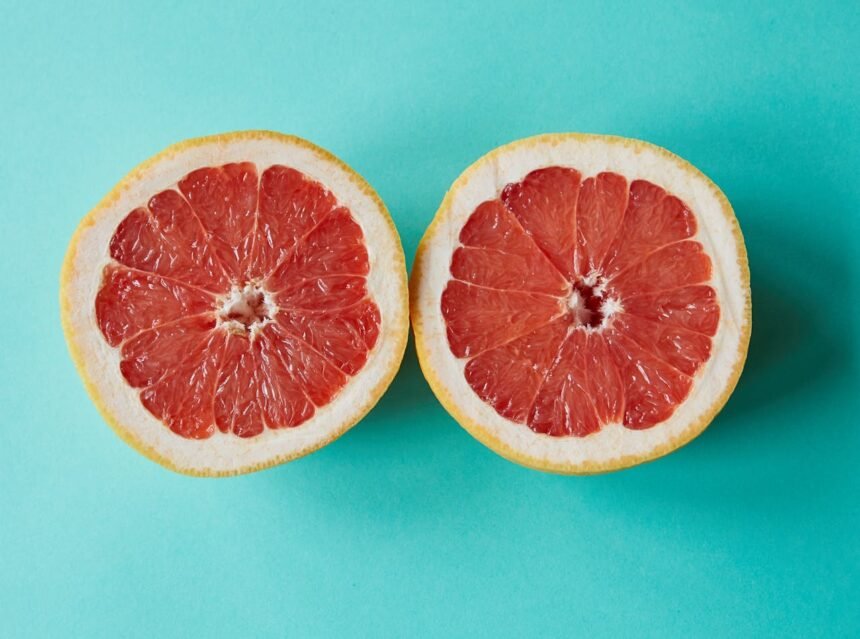
Grapefruit is perhaps one of the most divisive fruits in the produce aisle. For some, it is a refreshing, zest-filled start to the morning, packed with invigorating citrus notes. For others, it is an assault on the palate, dominated by an intense, lingering sharpness.
The distinct flavour profile often leads consumers to ask: why is grapefruit bitter? Unlike the simple sweetness of an orange or the sour punch of a lemon, grapefruit possesses a complex chemical structure that interacts with our taste buds in unique ways.
Understanding the science behind this bitterness not only explains your reaction to the fruit but can also help you select sweeter varieties and prepare them in ways that mitigate the sharp taste. Furthermore, the very compounds that cause bitterness are linked to potent health benefits—and significant medical interactions.
The Primary Culprit: Naringin
At the heart of the grapefruit’s unique taste profile is a flavonoid called naringin. While grapefruits contain natural sugars (fructose and glucose) and citric acid (sourness), naringin provides the dominant bitter baseline.
Naringin is a flavonoid glycoside found in high concentrations within the fruit’s spongy white pith (albedo) and the segmental membranes. When you bite into a grapefruit segment or juice the fruit, naringin is released, flooding the taste receptors on your tongue.
According to chemical analysis, naringin metabolises into naringenin in the human body. Interestingly, naringin itself is virtually tasteless until it binds with specific bitter taste receptors, primarily the TAS2R family. The concentration of naringin varies significantly depending on the ripeness of the fruit and the specific variety you have chosen.
PubChem data suggests that naringin also acts as a natural defence mechanism for the plant. Its intense bitterness deters herbivores and insects from consuming the fruit before the seeds are mature enough for dispersal.
The Secondary Factor: Limonin
While naringin is the primary answer to why is grapefruit bitter, it is not the only chemical agent at work. A compound known as limonin plays a deceptive role in the flavour experience, particularly in juice.
In the intact fruit, limonin exists as limonoate A-ring lactone, which is non-bitter. However, once the fruit is cut, juiced, or the tissues are ruptured, an enzymatic reaction occurs in acidic conditions. This process, known as “delayed bitterness,” converts the precursor into limonin.
This is why fresh grapefruit juice may taste relatively sweet immediately after squeezing but becomes progressively more bitter if left to stand for a few hours. This chemical transformation is a significant challenge for the commercial citrus industry, as detailed in research available via ScienceDirect.
Genetics: Are You a Supertaster?
It is important to note that the bitterness of grapefruit is subjective. You may find it intolerable, while your partner finds it pleasantly tart. This discrepancy is often rooted in genetics.
Human taste perception is governed by specific genes, particularly the TAS2R38 gene. Variations in this gene determine whether you are a “non-taster,” a “medium taster,” or a “supertaster.” Supertasters have a higher density of fungiform papillae (taste buds) on their tongues and are highly sensitive to bitter compounds like naringin and propylthiouracil (PROP).
If you find grapefruit overwhelmingly harsh, you may fall into the supertaster category. Research from the Monell Chemical Senses Center highlights how genetic variability influences food preferences and dietary choices, potentially steering supertasters away from bitter vegetables and citrus fruits.
Health Implications: The “Grapefruit Effect”
The compounds responsible for the bitterness in grapefruit are not biologically inert. They interact with the human body in powerful ways. While naringin has antioxidant and anti-inflammatory properties, it is also responsible for a well-documented medical phenomenon.
Grapefruit contains furanocoumarins (related to its bitter profile) that inhibit an enzyme in the intestine called CYP3A4. This enzyme is responsible for metabolising nearly 50% of all pharmaceutical drugs.
When you consume grapefruit, the furanocoumarins block CYP3A4, meaning the medication enters your bloodstream at much higher levels than intended. This can lead to dangerous overdoses of common medications, including statins (cholesterol drugs) and blood pressure medications.
If you are taking prescription medication, it is vital to consult your GP. The FDA provides extensive guidelines on which drugs interact negatively with grapefruit.
Varieties Matter: White vs. Pink vs. Red
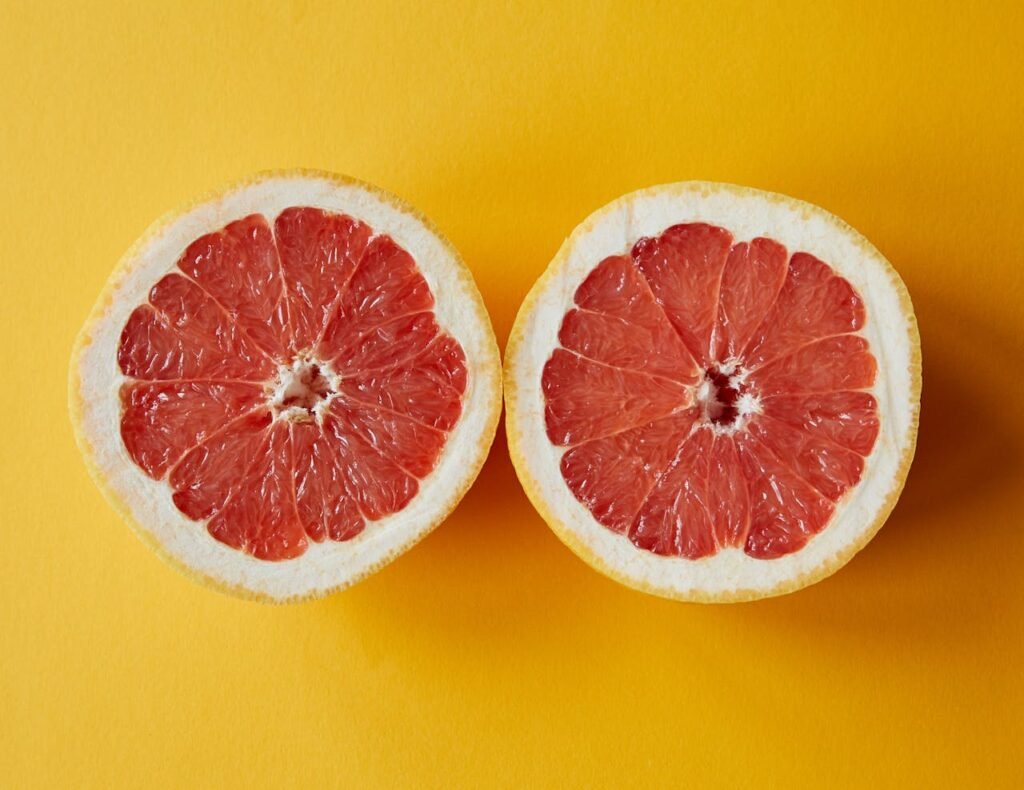
Not all grapefruits are created equal. Through selective breeding, agriculturalists have developed varieties with lower naringin content and higher sugar levels. Understanding the difference can help you choose a fruit that suits your palate.
The general rule of thumb is: the redder the flesh, the sweeter the taste.
| Variety | Flesh Colour | Bitterness Level | Naringin Content | Notes |
|---|---|---|---|---|
| Duncan / White | Pale Yellow | High | Very High | The traditional, heritage variety. Intense flavour, best for cooking or juicing with sweeteners. |
| Pink | Pale Pink | Medium | Medium | A balance of tart and sweet. Slightly less acidic than white varieties. |
| Ruby Red | Deep Red | Low | Low | Developed to be sweeter. Contains lycopene (an antioxidant). |
| Star Ruby | Dark Red | Very Low | Minimal | Often the sweetest variety available in supermarkets. |
For those looking to reap the nutritional benefits detailed on Healthline without the intense bitterness, opting for a Ruby Red or Star Ruby is the most practical strategy.
Practical Tips to Reduce Bitterness
If you have purchased a bitter grapefruit or simply want to enjoy the health benefits without the puckered face, there are culinary tricks to neutralise the naringin.
1. The Salt Trick
Contrary to popular belief, sugar is not the most effective way to mask bitterness—salt is. At a molecular level, salt (sodium chloride) filters out the bitterness perception in our taste buds more effectively than sugar covers it up.
Sprinkling a tiny pinch of sea salt on a slice of grapefruit suppresses the bitter mechanism, allowing the fruit’s natural sweetness and fruity aromas to shine through. This phenomenon is supported by culinary science and taste interaction studies found in Nature.
2. Remove the Pith
Since naringin is concentrated in the albedo (the white spongy layer) and the membranes separating the segments, surgical precision in preparation helps. Supreme the fruit (cut the segments out from between the membranes) to discard the parts with the highest bitter compound concentration.
3. Roasting or Grilling
Applying heat caramelises the natural sugars in the grapefruit. Halve the fruit, sprinkle with a little brown sugar or cinnamon, and place it under a grill (broiler) for 3–5 minutes. The heat breaks down some of the acidic structures and enhances sweetness.
4. Pairing with Fats
Bitterness can be balanced by fat. Serving grapefruit in a salad with avocado or walnuts, or alongside a creamy yoghurt, can coat the mouth and mitigate the sharpness of the naringin. The NHS recommends incorporating a variety of fruit and veg, and pairing them with healthy fats is a great way to sustain the habit.
Nutritional Value: Is It Worth the Taste?
Despite the bitterness, the nutritional profile of grapefruit makes it a powerhouse worth including in your diet. It is exceptionally high in Vitamin C, which supports the immune system, and contains significant amounts of Vitamin A.
Furthermore, the USDA FoodData Central database indicates that grapefruit is low in calories but high in fibre and water content, promoting satiety and hydration. The bitter compounds themselves, specifically naringin and naringenin, are currently being studied for their potential role in improving insulin sensitivity and metabolic health.
Sources like Medical News Today suggest that regular consumption may aid in weight management and heart health, provided there are no drug interactions. Organisations like the British Heart Foundation also acknowledge the role of fruit and vegetables in cardiovascular protection.
The Bottom Line
So, why is grapefruit bitter? It is primarily due to the flavonoid naringin, assisted by limonin and influenced by the unique genetics of your own taste buds. While this bitterness served an evolutionary purpose to protect the fruit, it can be a barrier to enjoyment for many humans today.
However, by choosing redder varieties, utilising the “salt trick,” and removing the pith, you can dampen the bitterness and enjoy one of nature’s most nutritious citrus fruits. Always remember to check with your doctor regarding medication interactions before adding grapefruit to your daily routine.
Whether you love the sharp kick or tolerate it for the vitamins, understanding the chemistry of the grapefruit allows you to take control of your culinary experience. For a deeper dive into the botany of citrus, resources like Britannica offer excellent historical context on how this “forbidden fruit” became a breakfast staple.