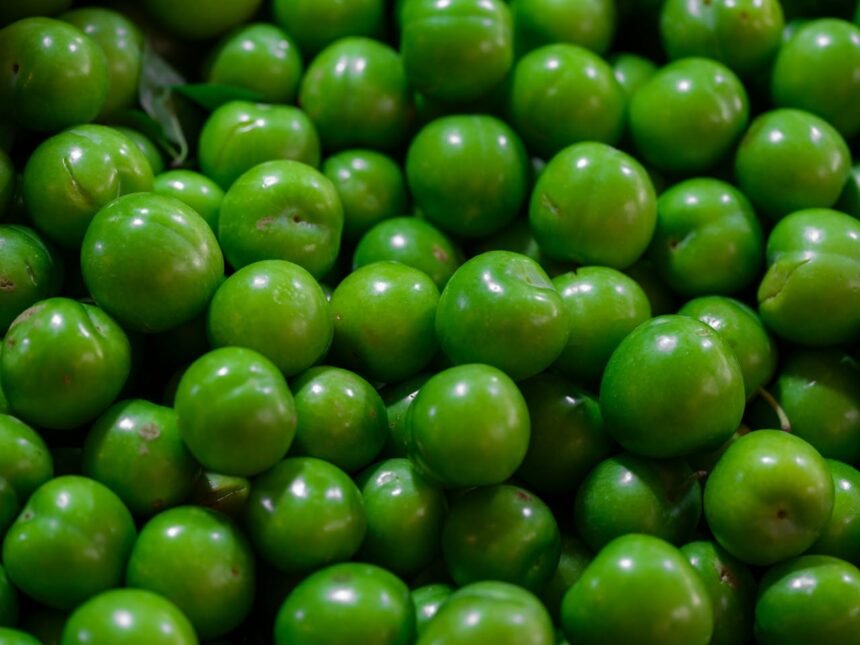
Green peas are often relegated to the role of a humble side dish, frequently pushed around the plate by children or buried in a shepherd’s pie. However, these small, spherical seeds derived from the Pisum sativum plant are a nutritional powerhouse.
While many people consider them a vegetable, they are technically part of the legume family, which also includes lentils, chickpeas, and beans. What sets green peas apart is their unique nutritional composition, boasting a high protein content and a density of micronutrients that rivals many “superfoods”.
Understanding the green pea vitamins and minerals profile can help you appreciate why adding this staple to your diet is an excellent choice for long-term health. From supporting immune function to regulating blood sugar, the biological impact of peas is profound.
This article provides an exhaustive look at the nutritional content, health benefits, and potential downsides of green peas.
The Nutritional Overview
Green peas are surprisingly nutrient-dense. They provide a significant amount of fibre and protein, which makes them incredibly filling. This is relatively rare for a food that is often treated as a starchy vegetable.
Unlike many other vegetables, peas contain a higher calorie count due to their starch content, but these are complex carbohydrates that provide sustained energy. A standard serving of cooked green peas (approximately 160 grams) contains a robust profile of macronutrients and micronutrients.
According to data from the USDA FoodData Central, a 160-gram cup of cooked peas contains:
| Nutrient | Amount | % Daily Value (DV) |
|---|---|---|
| Calories | 134 | – |
| Protein | 8.6 g | 17% |
| Carbohydrates | 25 g | 9% |
| Fibre | 8.8 g | 35% |
| Fat | 0.4 g | <1% |
| Vitamin K | 41.4 mcg | 35% |
| Manganese | 0.8 mg | 35% |
| Thiamine (B1) | 0.4 mg | 28% |
| Folate (B9) | 101 mcg | 25% |
| Vitamin A | 1280 IU | 26% |
| Vitamin C | 22.7 mg | 25% |
This table illustrates that peas are not merely “empty calories”. They are a primary source of plant-based protein and essential vitamins.
A Deep Dive into Green Pea Vitamins
When analysing green pea vitamins, it becomes clear that this legume acts as a natural multivitamin. The concentration of specific vitamins supports various bodily functions, from vision to bone density.
Vitamin K for Bone and Blood Health
One of the most abundant vitamins in green peas is Vitamin K1 (phylloquinone). Just one serving provides over a third of your daily requirement. Vitamin K is critical for the synthesis of osteocalcin, a protein essential for maintaining bone mineral density.
Furthermore, Vitamin K is vital for blood clotting. Without adequate levels, the body cannot effectively stop bleeding after an injury. Research highlights the importance of Vitamin K in preventing osteoporosis, particularly in older adults. You can read more about this essential nutrient via the National Institutes of Health.
Vitamin C and Immunity
While citrus fruits often steal the spotlight, green peas are a respectable source of Vitamin C. This water-soluble vitamin acts as a potent antioxidant, protecting cells from damage caused by free radicals.
Vitamin C is also crucial for collagen production, which is necessary for healthy skin, gums, and wound healing. Pairing peas with iron-rich foods can also enhance iron absorption, a mechanism detailed by the NHS.
The B-Complex Vitamins
Green peas are particularly rich in B vitamins, specifically Folate (B9) and Thiamine (B1). Folate is indispensable for DNA synthesis and cell division. Adequate folate intake is especially critical during periods of rapid growth, such as pregnancy and infancy.
Thiamine helps the body convert carbohydrates into energy. A deficiency in thiamine can lead to fatigue and neurological issues. The presence of these B vitamins makes peas an excellent food for maintaining energy levels and cognitive function.
Vitamin A and Eye Health
Green peas contain carotenoids, including beta-carotene, which the body converts into Vitamin A. Additionally, they are rich in lutein and zeaxanthin. These antioxidants accumulate in the retina and protect the eyes from chronic diseases like cataracts and age-related macular degeneration.
Studies published in PubMed have consistently shown that diets high in lutein and zeaxanthin are linked to better long-term eye health.
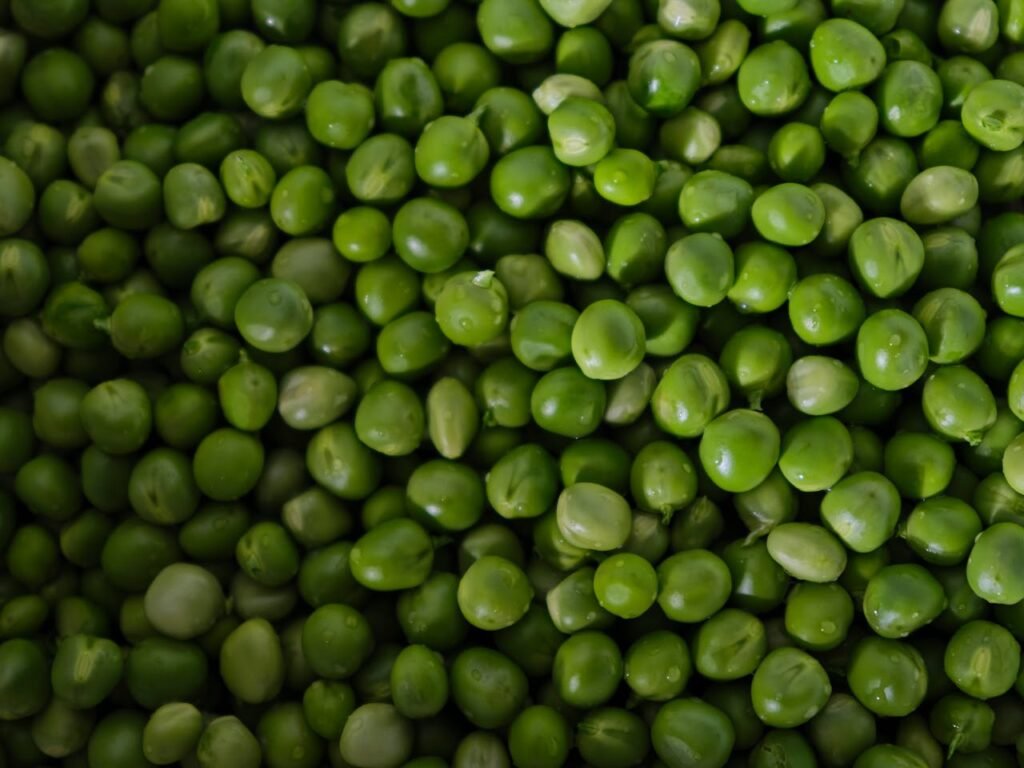
Essential Minerals in Green Peas
Beyond green pea vitamins, the mineral content of this legume is equally impressive. Minerals are inorganic elements that act as catalysts for thousands of biochemical reactions.
Iron
Peas are a good source of plant-based (non-haem) iron. Iron is a key component of haemoglobin, the substance in red blood cells that carries oxygen from your lungs to transport it throughout your body. While non-haem iron is less easily absorbed than animal-based iron, the high Vitamin C content in peas naturally aids this absorption process.
Magnesium and Potassium
These two minerals are vital for heart health. Potassium helps verify that blood pressure levels remain within a healthy range by counteracting the effects of sodium. Magnesium supports muscle and nerve function and regulates heart rhythm.
According to the British Heart Foundation, a diet rich in potassium and magnesium is associated with a reduced risk of hypertension and stroke.
Manganese
Manganese acts as a cofactor for many enzymes, including those involved in antioxidant protection and metabolism. It plays a role in bone formation and the metabolism of amino acids, cholesterol, and carbohydrates.
Health Benefits of Green Peas
The unique combination of protein, fibre, and micronutrients in green peas translates to several tangible health benefits.
Blood Sugar Control
Despite having a sweet taste and containing carbohydrates, green peas have a relatively low Glycaemic Index (GI). The GI is a measure of how quickly a food raises blood sugar levels.
The high fibre and protein content in peas slows digestion, which helps smooth out blood sugar levels after eating. This makes them a suitable food choice for individuals managing diabetes. Information from Diabetes UK suggests that low-GI diets can help manage glucose levels effectively.
Digestion and Gut Health
Fibre is essential for a healthy digestive system. Green peas contain both soluble and insoluble fibre. Insoluble fibre adds bulk to the stool and helps food pass more quickly through the stomach and intestines, preventing constipation.
Soluble fibre feeds the beneficial bacteria in the gut. These bacteria produce short-chain fatty acids, which nourish gut cells and reduce inflammation. A study on dietary fibre found in PubMed confirms the link between legume consumption and improved gut microbiome diversity.
Satiety and Weight Management
Protein is the most satiating macronutrient. By including green peas in your meals, you may feel fuller for longer, which can naturally reduce overall calorie intake. The combination of fibre and protein suppresses the hunger hormone ghrelin, making peas an excellent tool for weight management.
Antinutrients: A Point of Consideration
While green pea vitamins are beneficial, it is important to acknowledge that peas, like other legumes, contain antinutrients. These are compounds that can interfere with the absorption of certain nutrients.
- Phytic Acid: This can bind to minerals like iron, calcium, zinc, and magnesium, preventing their absorption. However, for people with a varied diet, this is rarely a cause for concern.
- Lectins: These are proteins that can interfere with digestion and may cause bloating or gas in sensitive individuals.
Fortunately, the levels of these antinutrients in green peas are lower than in dried beans. Furthermore, cooking methods such as boiling, steaming, or soaking (if using dried peas) significantly reduce these compounds. Research on phytates in PubMed indicates that proper preparation methods mitigate most negative effects.
For a broader perspective on legumes and antinutrients, Healthline offers a comprehensive guide on why the benefits generally outweigh the risks.
Practical Tips for Selection and Preparation
To maximise the intake of green pea vitamins, how you select and cook them matters.
Fresh vs. Frozen vs. Canned
- Fresh Peas: These are seasonal and have the best texture. However, the sugars in peas turn to starch rapidly after harvest, so they should be eaten quickly.
- Frozen Peas: Often the most nutritious option. They are flash-frozen immediately after picking, which locks in the vitamins, particularly Vitamin C, which degrades with heat and light.
- Canned Peas: While convenient, canned peas often have a softer texture and may contain added salt or sugar. The high heat of the canning process can also reduce the levels of heat-sensitive vitamins.
Cooking Methods
To preserve the water-soluble vitamins (B and C), use minimal water and cook for the shortest time possible.
- Steaming: The best method for retaining nutrients.
- Microwaving: Uses little water and is quick, preserving vitamins.
- Boiling: Can cause vitamins to leach into the water. If you boil them, consider using the water for soups or sauces.
For a deeper understanding of Glycaemic Load and food selection, resources like Harvard Health are invaluable.
The Bottom Line
Green peas are far more than a vibrant garnish. They are a legitimate nutritional powerhouse, loaded with essential vitamins, minerals, fibre, and antioxidants. The green pea vitamins profile—rich in Vitamin K, C, and B-complex—supports everything from bone density to immune defence.
While they do contain antinutrients, these are easily managed through cooking and are generally not a concern for healthy individuals. Their ability to regulate blood sugar and provide high-quality plant protein makes them an excellent dietary addition for vegetarians and omnivores alike.
Whether you prefer them steamed, thrown into a curry, or blended into a soup, green peas offer an accessible, affordable, and scientifically supported way to enhance your overall health.