Heart disease remains the leading cause of death globally, a statistic that keeps cardiovascular health at the forefront of medical research and personal wellness strategies. Central to the conversation about heart health is cholesterol—specifically, the balance between high-density lipoprotein (HDL) and low-density lipoprotein (LDL). While statins have long been the gold standard for prescription treatment, there is enduring interest in the role of vitamins and supplements.
Among the B-complex vitamins, Vitamin B3, commonly known as niacin, has held a unique position for decades. It was the first lipid-lowering agent used to prevent heart attacks, long before modern pharmaceuticals took center stage. However, the medical community’s stance on niacin has evolved with new research.
In this comprehensive guide, we will explore the science behind niacin benefits cholesterol management, distinguish between the different forms of Vitamin B3, and analyze whether this supplement belongs in your heart-health regimen.
What is Niacin (Vitamin B3)?
Niacin is a water-soluble vitamin that plays a critical role in converting food into energy. It helps keep your nervous system, digestive system, and skin healthy. While most people get enough niacin from a balanced diet, therapeutic doses—amounts significantly higher than the recommended daily allowance—are used to treat specific lipid abnormalities.
It is crucial to understand that Vitamin B3 comes in three main forms, which function differently in the body:
- Nicotinic Acid: This is the form responsible for beneficial effects on cholesterol levels and heart health. However, it is also the form that causes the infamous “niacin flush.”
- Niacinamide (Nicotinamide): While excellent for skin health and preventing pellagra (niacin deficiency), this form does not lower cholesterol levels.
- Inositol Hexanicotinate: Often marketed as “flush-free” niacin. While it avoids the side effects, evidence suggests it may not be as effective for lipid management as nicotinic acid.
The Mechanism: How Niacin Affects Lipids
To understand niacin benefits cholesterol management, one must look at how it interacts with the liver and fat metabolism. Unlike statins, which primarily inhibit the synthesis of cholesterol, niacin works by blocking the enzyme responsible for making triglycerides in the liver.
This process has a cascading effect on your lipid profile:
- Lowers LDL (Bad Cholesterol): By reducing triglyceride synthesis, the liver produces fewer Very Low-Density Lipoproteins (VLDL), which are precursors to LDL.
- Lowers Triglycerides: Niacin is particularly potent at slashing triglyceride levels, often by 20% to 50%.
- Raises HDL (Good Cholesterol): Perhaps niacin’s most famous attribute is its ability to raise HDL levels by inhibiting the breakdown of apolipoprotein A-1, a protein used to make HDL. Niacin can boost HDL by 15% to 35%, which is significantly higher than the effect of most statins.
The Unique Case of Lipoprotein(a)
One of the most compelling reasons specialists still consider niacin is its effect on Lipoprotein(a), or Lp(a). Lp(a) is a genetic variety of LDL cholesterol that is particularly sticky and prone to causing clots and atherosclerosis. Standard diet and exercise changes, and even many statins, often fail to significantly lower Lp(a). Niacin remains one of the few agents capable of reducing Lp(a) levels, making it a valuable tool for patients with this specific genetic marker.
Evaluating Niacin Benefits in Cholesterol Management
For decades, high-dose niacin was a frontline defense against heart disease. The logic was sound: if high cholesterol causes heart attacks, and niacin improves cholesterol numbers, then niacin should prevent heart attacks.
However, the narrative is nuanced. While the niacin benefits cholesterol management are clear regarding the numbers on a lab report, the translation to reduced cardiovascular events (heart attacks and strokes) has been debated in recent years due to results from large clinical trials.
The “Numbers vs. Outcomes” Debate
According to the Mayo Clinic, while niacin is effective at improving cholesterol numbers, studies have shown that adding niacin to statin therapy does not necessarily reduce the risk of heart attacks or strokes more than statins alone for the average patient.
This suggests that niacin is best utilized in specific scenarios:
- Statin Intolerance: For patients who suffer severe muscle pain or other side effects from statins, niacin can serve as an alternative therapy.
- High Triglycerides: Patients with extremely high triglyceride levels (hypertriglyceridemia) who are at risk of pancreatitis often respond well to niacin.
- Isolated Low HDL: While the clinical benefit of raising HDL pharmacologically is debated, niacin remains the most effective agent for doing so.

Niacin vs. Statins: The Modern Perspective
In the modern era of cardiology, statins are the first line of defense. They have a massive body of evidence proving they lower mortality rates. Niacin is now generally considered a second or third-line therapy.
The American Heart Association advises that niacin should be used cautiously. The shift occurred largely after the AIM-HIGH and HPS2-THRIVE studies, which showed that for patients with well-controlled LDL levels on statins, adding niacin added no further protection against cardiovascular events but did increase the risk of side effects.
Therefore, the “stacking” of niacin and statins is no longer a routine recommendation but rather a targeted approach for complex lipid disorders.
Understanding the Side Effects: The Flush and Beyond
If you are considering niacin for its lipid-modifying properties, you must be aware of the side effects. Therapeutic doses of niacin (typically 1,000 mg to 3,000 mg daily) are far higher than the 14-16 mg recommended for daily nutritional needs.
The Niacin Flush
The most common side effect is cutaneous flushing. This presents as a burning, tingling, or itching sensation on the face, neck, and chest, accompanied by intense redness. It is caused by the dilation of small blood vessels near the skin.
- Mitigation Strategy: Taking an aspirin 30 minutes before the niacin dose, taking the supplement with a low-fat meal (like applesauce), or using extended-release formulations can reduce flushing. Tolerance usually builds up over a few weeks.
Serious Health Risks
Beyond the uncomfortable flush, high-dose niacin carries significant risks that require medical monitoring:
- Liver Toxicity: High doses can stress the liver. Regular blood tests are required to monitor liver enzymes.
- Blood Sugar Elevation: Niacin can raise blood glucose levels, making it a complex choice for people with diabetes.
- Uric Acid Levels: It can increase uric acid, potentially triggering gout attacks.
- Peptic Ulcers: Niacin can irritate the stomach lining.
Dosage and Safety: Before You Supplement
Because the effective dose for cholesterol management is so high, niacin should be treated as a drug, not a casual vitamin supplement.
- Do not self-prescribe. Determining the correct dosage requires titration (starting low and slowly increasing) to avoid severe side effects.
- Prescription vs. OTC: Prescription niacin (such as Niaspan) is regulated by the FDA for consistency and reliability. Over-the-counter supplements vary widely in quality and potency. Some OTC “no-flush” versions contain no free nicotinic acid and are useless for heart health.
According to the National Institutes of Health (NIH), long-term use of high-dose nicotinic acid should always be supervised by a healthcare provider due to the potential for adverse effects.
Dietary Sources of Niacin
While dietary niacin is rarely enough to treat high cholesterol, maintaining adequate levels is essential for general metabolic health. Excellent natural sources include:
- Poultry: Chicken breast and turkey.
- Fish: Tuna and salmon are rich in B3 and heart-healthy Omega-3s.
- Meat: Lean beef and pork.
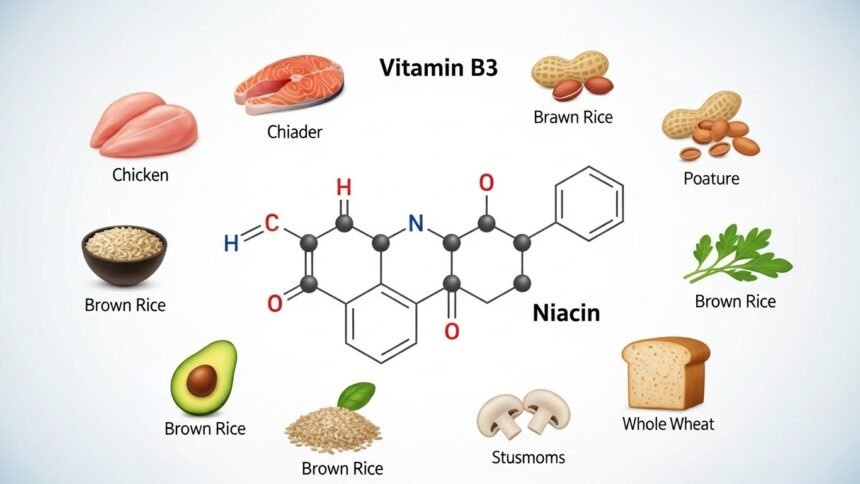
- Plant Sources: Peanuts, avocados, brown rice, and whole wheat.
- Fortified Foods: Many breakfast cereals and breads are fortified with niacin.
Conclusion
The narrative surrounding niacin benefits cholesterol management is a perfect example of how medical science evolves. While it is no longer the universal go-to for heart health that it once was, niacin remains a powerful tool in the cardiologist’s arsenal for specific patients—particularly those battling high triglycerides or stubborn Lp(a), and those who cannot tolerate statins.
However, because of the potential for liver toxicity and other side effects, high-dose niacin therapy is not a DIY project. It requires the same respect and medical supervision as prescription medication.
If you are concerned about your cholesterol levels, do not simply head to the supplement aisle. Schedule a consultation with your doctor to discuss your full lipid profile. Together, you can determine if the benefits of niacin therapy outweigh the risks for your unique physiology.
Take control of your heart health today—schedule your annual lipid screening and ask your doctor about the best strategies for your longevity.