Arthritis, a broad term encompassing over 100 conditions characterized by joint inflammation, pain, and stiffness, is often perceived primarily as a disease of the joints. However, its profound impact extends far beyond cartilage degradation, directly influencing skeletal integrity and overall bone health. For healthcare professionals, understanding the intricate and often overlooked connection between arthritis and bone metabolism is paramount for developing comprehensive and effective patient care strategies. This article delves into the complex interplay, exploring the mechanisms by which arthritis affects bone health and outlining integrative approaches crucial for optimal arthritis bone care.
Understanding the Bone-Arthritis Nexus
The relationship between arthritis and bone health is multifaceted, involving inflammatory processes, mechanical alterations, and systemic effects. Recognizing these connections is the first step in effective osteoporosis prevention and fracture risk management in this patient population.
The Inflammatory Link in Arthritis and Bone Loss
Chronic inflammation, a hallmark of many arthritic conditions, particularly inflammatory types like Rheumatoid Arthritis (RA), Psoriatic Arthritis, and Ankylosing Spondylitis, plays a significant role in accelerating bone loss. The inflammatory cytokines (e.g., TNF-α, IL-1, IL-6) that drive joint destruction also stimulate osteoclast activity, leading to increased bone resorption and inhibition of osteoblast function (bone formation). This imbalance results in periarticular bone erosion and generalized skeletal demineralization, significantly increasing fracture risk factors. Patients with chronic inflammatory arthritis are at a heightened risk for osteoporosis and fragility fractures compared to the general population. Furthermore, long-term use of corticosteroids, a common treatment for severe inflammatory arthritis, is a well-established cause of secondary osteoporosis, further exacerbating bone density decline.
Osteoarthritis and Subchondral Bone Changes
While often considered a “wear and tear” disease, recent research highlights the active role of subchondral bone in the pathology of osteoarthritis (OA). Changes in the subchondral bone, such as sclerosis and bone marrow lesions, are not merely consequences of cartilage damage but may actively contribute to OA initiation and progression. The altered mechanical loading and biochemical environment within the arthritic joint directly impact the underlying bone structure, necessitating a holistic approach to arthritis bone care. Understanding this bone-cartilage interaction is critical for developing interventions that target both components of the joint.
Pillars of Bone Health: A Foundational Approach
Proactive and integrative strategies are essential for maintaining skeletal strength, particularly in individuals living with arthritis. These strategies encompass nutrition, exercise, and careful monitoring.
Nutritional Strategies for Robust Bones
A cornerstone of healthy bone diet is adequate nutrient intake, crucial for building and maintaining bone density.
- Calcium & Vitamin D: These two nutrients are fundamental for skeletal health. Calcium is the primary mineral component of bone, and vitamin D bones by facilitating calcium absorption in the gut. While calcium rich foods like dairy are well-known sources, many individuals, including those with lactose intolerance or following specific dietary patterns, may require dairy free calcium sources such as fortified plant milks, leafy greens (kale, spinach), and certain fish (sardines, salmon). The National Institutes of Health provides comprehensive guidelines on recommended daily allowances for both calcium and vitamin D, crucial for bone density tips.
- Magnesium & Other Micronutrients: Magnesium bone health is often underestimated; it plays a vital role in bone formation and influences parathyroid hormone and vitamin D activation. Good sources include nuts, seeds, whole grains, and leafy green vegetables. Other critical micronutrients include Vitamin K (found in leafy greens), which is essential for bone mineralization, and phosphorus, another major component of bone.
- Protein & Collagen: Adequate protein intake is vital for bone matrix integrity. Studies show that diets rich in protein can support bone mineral density. Bone healing foods often emphasize protein, essential amino acids, and compounds like collagen. Bone broth benefits for skeletal health are attributed to its rich content of collagen, gelatin, amino acids, and minerals.
- Vegan Bone Nutrients: For those following a vegan diet, careful planning is needed to ensure adequate intake of bone-supporting nutrients. Fortified plant milks, tofu, tempeh, leafy greens, nuts, seeds, and specific supplements can provide essential calcium, vitamin D, and other minerals.
Targeted Exercise for Skeletal Strength
Physical activity is a powerful modulator of bone health. Engaging in bone strength exercises is critical for both osteoporosis prevention and improving overall mobility and function in arthritis patients.
- Weight Bearing Workouts: These exercises stimulate bone remodeling by placing stress on the bones. Examples include walking, jogging, hiking, dancing, and stair climbing. For individuals with arthritis, low-impact variations are often recommended to protect joints while still delivering skeletal benefits. Regular weight bearing workouts are highly effective for maintaining bone mineral density, especially for senior bone health.
- Resistance Training: Lifting weights or using resistance bands builds muscle mass, which in turn pulls on bones, stimulating bone growth. Resistance training should target all major muscle groups. It’s an excellent strategy for enhancing overall bone strength and reducing the risk of falls.
- Balance Exercises: Important for preventing falls, which are a major cause of fractures, especially in older adults and those with compromised bone health. Tai Chi, yoga, and specific balance drills can significantly reduce fracture risk factors.
- Considerations for Arthritis: For individuals with arthritis, exercise programs must be tailored to their specific condition, pain levels, and joint limitations. A physical therapist can design safe and effective routines. Activities that are low-impact, such as swimming, cycling, and elliptical training, can maintain cardiovascular fitness and muscle strength without excessive joint stress, though their direct bone-loading benefits are less than weight-bearing activities. It’s also important to manage specific concerns like runner bone stress, where overuse can sometimes lead to stress fractures in individuals with poor bone density or inadequate recovery.
Integrative Management for Arthritis Bone Care
An integrative approach recognizes that managing arthritis bone health requires a combination of medical, lifestyle, and supportive therapies.
Pharmacological Interventions and Monitoring
Beyond treating arthritis symptoms, certain medications may also impact bone health. For instance, some disease-modifying antirheumatic drugs (DMARDs) in RA can indirectly benefit bone by reducing inflammation. Conversely, the necessity of corticosteroids requires careful monitoring and often co-prescription of bone-protective agents. Regular bone scan results (DXA scans) are crucial for monitoring bone mineral density (BMD) and identifying individuals at risk for osteoporosis. These scans provide essential data for guiding treatment decisions and assessing the efficacy of interventions.
Lifestyle Adjustments and Specialized Care
Lifestyle choices play a pivotal role in supporting bone health across all life stages.
- Smoking Cessation and Alcohol Moderation: Both smoking and excessive alcohol consumption are detrimental to bone health, accelerating bone loss and increasing fracture risk.
- Fall Prevention: For older adults and those with impaired mobility due to arthritis, fall prevention strategies are paramount. This includes home safety modifications, vision checks, appropriate footwear, and balance training.
- Addressing Specific Populations:
- Menopause Bone Loss: Women experiencing menopause bone loss are particularly vulnerable due to declining estrogen levels. Hormone therapy, when appropriate, and bone-specific medications can mitigate this risk.
- Postmenopausal Bones: Ongoing care for postmenopausal bones should involve regular monitoring and adherence to prescribed therapies to prevent osteoporosis progression.
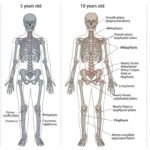
- Kids Bone Growth: Ensuring optimal nutrition and physical activity during childhood and adolescence is crucial for peak bone mass acquisition, laying the foundation for strong bones throughout life. Early habits significantly influence future senior bone health.

Advanced Considerations & Future Directions
The field of bone health and arthritis care is continually evolving. Personalized medicine approaches, leveraging genetic insights and biomarkers, promise more targeted interventions. Emerging therapies for both arthritis and osteoporosis aim to modulate inflammatory pathways and enhance bone formation more effectively. A multidisciplinary team approach involving rheumatologists, endocrinologists, physical therapists, nutritionists, and pain management specialists is often required to navigate the complexities of arthritis bone care, ensuring comprehensive and patient-centered management.
Key Nutritional Sources for Bone Health
| Nutrient | Primary Role in Bone Health | Excellent Food Sources (with consideration for dietary restrictions) |
|---|---|---|
| Calcium | Main mineral component of bone | Dairy products, fortified plant milks, leafy greens, tofu, sardines |
| Vitamin D | Aids calcium absorption | Fatty fish, fortified dairy/plant milks, sunlight exposure |
| Magnesium | Bone structure, enzyme function, Vitamin D activation | Nuts, seeds, whole grains, dark leafy greens, legumes |
| Vitamin K | Essential for bone protein (osteocalcin) function | Leafy green vegetables (kale, spinach, broccoli) |
| Protein | Builds bone matrix and muscle strength | Lean meats, poultry, fish, eggs, legumes, nuts, seeds, tofu |
Frequently Asked Questions (FAQ)
Q1: How does arthritis specifically affect bone health?
A1: Arthritis, especially inflammatory types like rheumatoid arthritis, leads to chronic inflammation that can increase osteoclast activity (bone breakdown) and decrease osteoblast activity (bone formation). This imbalance causes bone loss around joints (periarticular bone loss) and can lead to generalized osteoporosis, significantly increasing fracture risk factors. Medications like corticosteroids, often used in arthritis treatment, can also contribute to bone loss.
Q2: Can diet alone prevent bone loss in arthritis patients?
A2: While a healthy bone diet rich in calcium, vitamin D, magnesium, and protein is fundamental for bone health, diet alone may not be sufficient to fully prevent bone loss in arthritis patients, especially those with significant inflammation or on bone-depleting medications. It must be integrated with appropriate exercise, medical management, and regular monitoring like bone scan results.
Q3: What types of exercises are safe for strengthening bones with arthritis?
A3: Bone strength exercises for individuals with arthritis should balance bone-loading benefits with joint protection. Low-impact weight bearing workouts like brisk walking, dancing, and elliptical training are often recommended. Resistance training (using light weights or resistance bands) is also crucial. Activities like swimming and cycling are good for cardiovascular health and muscle strength but offer less direct bone-loading impact. Always consult with a healthcare professional or physical therapist to design a safe and effective exercise plan tailored to your specific arthritis condition.
Q4: When should I get a bone density scan if I have arthritis?
A4: Individuals with certain types of arthritis, especially inflammatory conditions like rheumatoid arthritis, are at increased risk for osteoporosis. Your doctor may recommend a baseline bone scan results (DXA scan) early in the course of your disease, particularly if you are postmenopausal, taking corticosteroids, or have other known fracture risk factors. Regular follow-up scans will depend on your individual risk profile and treatment plan.
Conclusion
The connection between arthritis and bone health is a critical area demanding comprehensive attention from healthcare professionals. By understanding the intricate mechanisms through which arthritis impacts skeletal integrity, from inflammatory processes to medication effects, we can implement more effective, integrative arthritis bone care strategies. A proactive approach encompassing a healthy bone diet rich in calcium rich foods and vitamin D bones, targeted bone strength exercises including weight bearing workouts, and diligent monitoring via bone scan results, alongside careful pharmacological management, is paramount. Such a holistic framework ensures that individuals living with arthritis can not only manage their joint symptoms but also safeguard their skeletal health, preventing menopause bone loss and minimizing fracture risk factors to maintain a higher quality of life and mobility into their senior bone health years.