Finding a truly satisfying alternative to heavy, dairy-based cream sauces can be a challenge for those following a plant-based diet or managing lactose intolerance. Traditional Alfredo or carbonara sauces rely heavily on butter, heavy cream, and cheese to achieve their signature texture. However, nature offers a potent, heart-healthy alternative: the avocado.
This vegan avocado pasta sauce recipe provides a solution that is not only texturally identical to dairy cream but also nutritionally superior. By utilising the natural emulsifying properties of avocados, we can create a sauce that coats pasta perfectly without the need for saturated animal fats.
In this article, we will explore the nutritional science behind this dish, why it serves as an excellent dietary intervention for those reducing cholesterol, and provide a step-by-step guide to preparing this nutrient-dense meal.
Overview
The culinary world is witnessing a significant shift towards functional foods—meals that provide health benefits beyond basic nutrition. This vegan avocado pasta sauce recipe sits at the intersection of gastronomy and preventative health.
Unlike traditional pasta sauces that are often calorically dense but nutrient-poor, this recipe leverages the avocado’s unique lipid profile. Avocados are rich in monounsaturated fatty acids, specifically oleic acid, which has been linked to reduced inflammation and improved heart health.
Furthermore, this dish addresses the common complaint regarding vegan food: a lack of satiety. The combination of fibre from the avocado and complex carbohydrates from the pasta ensures a slow release of glucose into the bloodstream, preventing the insulin spikes often associated with refined pasta dishes.
Symptoms and Causes: The Need for Dairy Alternatives
While a pasta recipe is not a disease, the physiological reasons for seeking out a vegan avocado pasta sauce recipe often stem from very real physical symptoms and underlying health causes. Understanding these can help you manage your diet more effectively.
Lactose Intolerance and Digestive Distress
A significant portion of the global population lacks the enzyme lactase, which is required to break down lactose, the sugar found in milk.
Symptoms of consuming dairy-based pasta sauces for these individuals include:
- Abdominal bloating and distension.
- Gastrointestinal cramping.
- Nausea.
- Systemic inflammation.
The cause is a biological inability to process dairy, making traditional cream sauces physically painful to consume.
Cardiovascular Risks of Saturated Fats
Another driving factor (cause) for switching to avocado-based sauces is the management of cardiovascular health. Traditional cream sauces are high in saturated fats and dietary cholesterol.
Symptoms of a diet high in these fats may not be immediately felt but present clinically as:
- Elevated LDL (low-density lipoprotein) cholesterol levels.
- Hypertension (high blood pressure).
- Increased arterial plaque buildup.
By substituting animal fats with the plant-based fats found in this recipe, you are actively choosing a dietary management strategy that supports endothelial function and lipid regulation.
Treatment and Management: The Recipe
Think of this recipe as a dietary treatment for the craving for comfort food, managed through intelligent ingredient selection. To prepare this vegan avocado pasta sauce recipe, we focus on whole-food ingredients that synergise to create flavour and texture.
Nutritional Profile of the “Treatment”
Before we begin, it is vital to understand the bioactive compounds you are ingesting:
- Avocados: Provide potassium (more than bananas), which aids in blood pressure regulation.
- Garlic: Contains allicin, a compound with potent medicinal properties including immune system support.
- Lemon Juice: Provides Vitamin C and citric acid, which acts as a natural preservative to prevent the avocado from oxidising (browning).
- Nutritional Yeast: A deactivated yeast that provides a nutty, cheese-like flavour and is often fortified with Vitamin B12, a crucial nutrient for vegans.
Ingredients List
To manage 2–3 servings, you will need:
- Pasta: 300g (10.5 oz) of your preferred variety. Whole wheat or legume-based pasta is recommended for higher fibre content.
- Avocados: 2 ripe, medium-sized avocados. They must be soft to the touch to ensure emulsification.
- Garlic: 2 cloves, fresh.
- Lemon: ½ lemon, juiced (approx. 1–2 tablespoons).
- Olive Oil: 2 tablespoons of extra virgin olive oil.
- Basil: ½ cup fresh basil leaves (packed).
- Nutritional Yeast: 1 tablespoon (optional, for a “cheesy” profile).
- Salt and Pepper: To taste.
- Pasta Water: Reserve 1 cup of starchy water after boiling the pasta.
Step-by-Step Method
1. Prepare the Pasta:
Bring a large pot of salted water to a rolling boil. Add your pasta and cook according to the package instructions until al dente. The texture is crucial; overcooked pasta will break down when mixed with the heavy sauce.
Crucial Step: Before draining, carefully scoop out 1 cup of the boiling pasta water. This water is rich in starch released from the pasta, which is essential for binding the oil and avocado into a cohesive, creamy sauce.
2. Create the Base:
While the pasta cooks, cut the avocados in half, remove the pit, and scoop the flesh into a food processor or high-speed blender. Add the garlic cloves, lemon juice, olive oil, nutritional yeast, and fresh basil.
3. Emulsify:
Pulse the ingredients until they are roughly combined. Then, while the processor is running on low, slowly stream in 2–3 tablespoons of the reserved pasta water.
Increase the speed to high and blend until the mixture is completely smooth and pale green. If the sauce appears too thick or clumpy, add more pasta water in small increments. The goal is a consistency similar to double cream.
4. Combine and Serve:
Place the drained, hot pasta back into the warm cooking pot (removed from the heat). Pour the avocado sauce directly over the pasta.
Using tongs, toss the pasta vigorously. The residual heat from the pasta will warm the sauce without cooking the avocado, which helps preserve its delicate healthy fats. If the mixture is too stiff, add a splash more of the hot pasta water to loosen it.
5. Garnish:
Season immediately with sea salt and freshly cracked black pepper. Serve topped with extra basil leaves or chilli flakes for metabolic stimulation.
Tips for Success
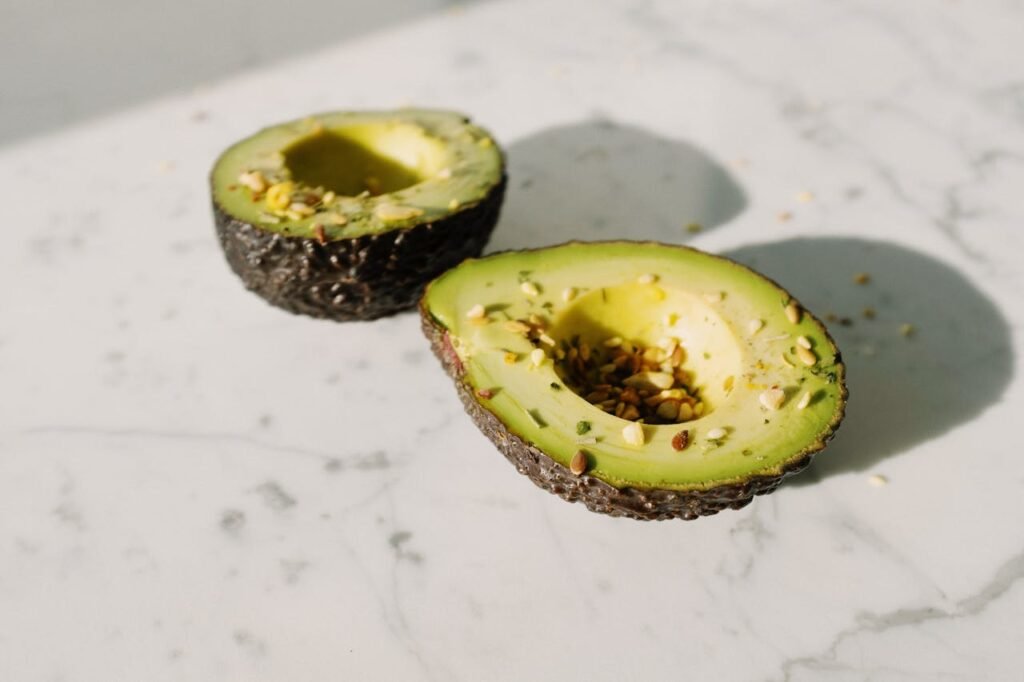
Managing a vegan avocado pasta sauce recipe requires specific attention to chemical reactions, primarily oxidation. Avocados contain an enzyme called polyphenol oxidase, which causes the flesh to turn brown when exposed to oxygen.
1. preventing Oxidation
To keep your sauce a vibrant green, the acid from the lemon juice is your primary defence. However, if you plan to store leftovers, press cling film directly against the surface of the sauce to eliminate air contact. Ideally, this dish should be consumed immediately.
2. Boosting Protein Content
While healthy fats are abundant, this sauce is relatively low in protein. To create a balanced macronutrient profile, consider adding:
- Chickpeas (roasted or boiled).
- Green peas (stirred in at the end).
- Hemp seeds (sprinkled on top for Omega-3s).
3. Texture Management
If you do not have a food processor, this recipe can be managed manually. Mash the avocado thoroughly with a fork and mince the garlic and basil as finely as possible. Whisk in the oil and lemon juice. The result will be more rustic and chunky, similar to a guacamole pasta, but the nutritional value remains identical.
4. Choosing the Right Pasta
The sauce is thick and clings well to pasta with surface area. Fusilli, penne, or rigatoni are superior choices to spaghetti, as the ridges in these shapes capture the sauce effectively.
The Bottom Line
Adopting a vegan avocado pasta sauce recipe into your culinary repertoire is more than just a dietary preference; it is a scientifically sound choice for heart health and digestive wellbeing.
By replacing saturated animal fats with monounsaturated plant lipids, you support healthy cholesterol levels while enjoying a meal that rivals traditional comfort foods in texture and flavour. Whether you are strictly vegan, lactose intolerant, or simply seeking to increase your nutrient intake, this creamy, dairy-free sauce offers a versatile and delicious solution.
Food is fuel, but it is also information for your cells. This recipe sends a signal of anti-inflammatory support and sustained energy to your body, proving that healthy eating does not require sacrificing satisfaction.