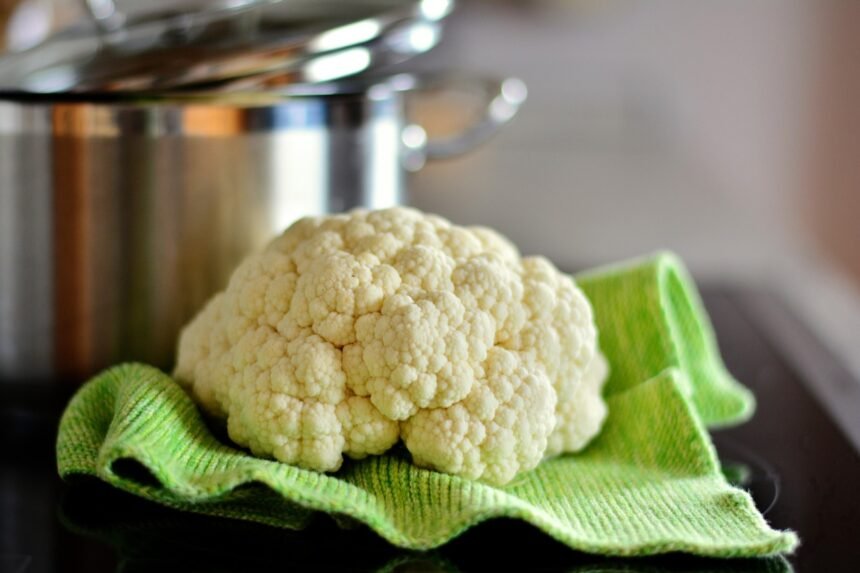
When most of us think of immune-boosting foods, our minds immediately wander to the produce aisle’s bright oranges and yellow lemons. While citrus fruits are undeniably rich in nutrients, there is an unsung hero in the vegetable kingdom that deserves equal praise: cauliflower.
Often overlooked due to its pale complexion, this cruciferous vegetable is a nutritional powerhouse. Specifically, cauliflower vitamin C content is surprisingly high, making it a formidable ally during cold and flu season. Beyond its versatility in low-carb diets, cauliflower provides a complex matrix of antioxidants and minerals that support holistic health.
Understanding how this vegetable strengthens your body’s natural defences can help you make smarter dietary choices. This article explores the science behind cauliflower, its impressive vitamin C profile, and how to prepare it to retain maximum potency.
The Power of Vitamin C in Cauliflower
Vitamin C, also known as ascorbic acid, is a water-soluble vitamin that plays a pivotal role in human health. Unlike some animals, humans cannot synthesise vitamin C endogenously; we must obtain it entirely from our diet. While an orange is the poster child for this nutrient, cauliflower is a highly efficient, low-sugar alternative.
A single serving of raw cauliflower (approximately 100 grams) can provide roughly 48 mg of vitamin C. Considering the NHS recommended daily intake for adults is 40mg (though many experts suggest higher amounts for optimal immune function), a modest portion of cauliflower covers your basic daily requirement entirely.
How Vitamin C Supports Immunity
The immune system is a complex network of cells and proteins that defends the body against infection. Vitamin C contributes to immune defence by supporting various cellular functions of both the innate and adaptive immune systems.
Firstly, it supports the epithelial barrier function against pathogens. Imagine your skin and organ linings as a fortress wall; vitamin C helps maintain the mortar between the bricks. Furthermore, vitamin C accumulates in phagocytic cells, such as neutrophils, and can generate reactive oxygen species to ultimately destroy microbes. It is also needed for the apoptosis and clearance of the spent neutrophils from sites of infection by macrophages, thereby decreasing necrosis and potential tissue damage.
Nutritional Breakdown
To understand why cauliflower vitamin C is so valuable, it helps to look at the vegetable’s complete nutritional profile. Cauliflower is nutrient-dense, meaning it provides a high volume of vitamins and minerals relative to its low calorie count.
Here is a breakdown of the key nutrients found in 100 grams of raw cauliflower:
| Nutrient | Amount | % Daily Value (approx) |
|---|---|---|
| Vitamin C | 48.2 mg | 77% (based on higher optimal targets) |
| Vitamin K | 15.5 mcg | 20% |
| Folate (B9) | 57 mcg | 14% |
| Vitamin B6 | 0.2 mg | 11% |
| Potassium | 299 mg | 9% |
| Fibre | 2 g | 8% |
Note: Percentages vary based on specific UK or global dietary guidelines.
Beyond vitamin C, the presence of Vitamin K and Folate works synergistically to support blood health and cellular repair, ensuring that the immune system has a solid foundation upon which to operate.
Synergistic Factors: Antioxidants and Inflammation
Cauliflower provides more than just vitamins. It is rich in antioxidants that protect your cells from harmful free radicals and inflammation. This is crucial because chronic inflammation can suppress the immune system, making you more susceptible to illness.
Glucosinolates and Isothiocyanates
Cauliflower contains a group of substances known as glucosinolates. Upon chewing and digestion, these break down into biologically active compounds such as isothiocyanates. Research suggests that these compounds have potent anti-inflammatory and antiviral properties.
Sulforaphane, a specific type of isothiocyanate found in cruciferous vegetables, has been studied extensively. According to the National Institutes of Health (NIH), sulforaphane may enhance the body’s antioxidant capacity, essentially upgrading your immune system’s software to better detect and neutralise threats.
The Role of Choline
Cauliflower is also one of the few plant sources high in choline. While primarily known for brain development, choline plays a role in maintaining the structural integrity of cell membranes. Strong cell membranes are vital for preventing the invasion of pathogens into healthy cells.
Maximising Nutrient Retention: Cooking Matters
One of the most critical aspects of utilising cauliflower vitamin C is preparation. Vitamin C is notoriously unstable. It is water-soluble and sensitive to heat, meaning improper cooking can destroy a significant percentage of this vital nutrient.
If you boil cauliflower in a large pot of water for 20 minutes, much of the vitamin C leaches out into the water, which is usually drained away. To get the immune-boosting benefits, you must be strategic in the kitchen.
1. Steaming
Steaming is often considered the gold standard for preserving nutrients in cruciferous vegetables. By suspending the vegetable above the boiling water, you cook it gently without allowing the nutrients to dissolve into the liquid. Studies have shown that steaming preserves significantly more vitamin C compared to boiling.
2. Roasting
Roasting cauliflower enhances its flavour by caramelising the natural sugars. While high heat does degrade some vitamin C, the absence of water prevents leaching. To minimise loss, roast at a high temperature for a shorter duration rather than a slow roast.
3. Raw Consumption
Eating cauliflower raw guarantees you ingest 100% of its vitamin C content. However, raw cruciferous vegetables can be difficult for some people to digest. If you have a sensitive stomach, light steaming is a better compromise.
For more on nutrient preservation, the Harvard T.H. Chan School of Public Health offers excellent guidance on food preparation techniques.

Practical Ways to Add Cauliflower to Your Diet
Integrating more cauliflower into your weekly routine does not have to be boring. Its mild flavour makes it an incredible canvas for spices and a perfect substitute for starchier carbohydrates.
Cauliflower Rice
By pulsing raw florets in a food processor, you create a grain-like texture that mimics rice. Sauté this briefly (3-5 minutes) with garlic, ginger, and turmeric. This method is quick, minimising heat exposure and preserving the cauliflower vitamin C, while the turmeric adds an extra anti-inflammatory kick.
Creamy Smoothies
This may sound unusual, but frozen cauliflower is a game-changer for smoothies. It adds a thick, creamy texture similar to banana but without the sugar. Because the taste is virtually undetectable when mixed with berries and protein powder, it is an effortless way to boost your vitamin intake first thing in the morning.
Mash Substitute
Steam the cauliflower until tender, then mash it with a splash of olive oil or Greek yoghurt. This provides the comfort of mashed potatoes but with a fraction of the calories and a much higher density of immune-supporting micronutrients.
Precautions and Considerations
While cauliflower is a superfood, it is important to listen to your body. There are a few considerations for specific groups of people.
Thyroid Function
Cruciferous vegetables contain goitrogens, which can interfere with the uptake of iodine in the thyroid gland if consumed in massive quantities. However, for the vast majority of people, normal consumption poses no risk. Cooking the vegetable essentially neutralises the enzyme responsible for this effect. For more context, the British Thyroid Foundation provides reassuring guidelines on this interaction.
Digestive Issues (FODMAPs)
Cauliflower contains fermentable carbohydrates (FODMAPs), specifically mannitol. For individuals with Irritable Bowel Syndrome (IBS), eating large amounts can cause bloating and gas. If you are following a low-FODMAP diet, you may need to limit your portion sizes. The Monash University guidelines are the global standard for managing these dietary triggers.
Blood Thinners
Because cauliflower is high in Vitamin K, which helps blood clot, sudden changes in intake can affect medications like warfarin. The key here is consistency rather than avoidance. Consult your GP or a dietitian from the British Dietetic Association if you are concerned about drug-nutrient interactions.
The Bottom Line
Strengthening your immune system is not about relying on a single magic pill; it is about consistently providing your body with the resources it needs to fight off pathogens. Cauliflower vitamin C is a potent, accessible, and versatile tool in your nutritional arsenal.
By including this vegetable in your weekly meal rotation—whether steamed, roasted, or blitzed into rice—you are providing your white blood cells with the antioxidants they require to function efficiently. Coupled with its high fibre and secondary plant compounds, cauliflower offers benefits that extend far beyond simple cold prevention, contributing to heart health and reduced inflammation.
Next time you are at the supermarket, look past the oranges and grab a head of cauliflower. Your immune system will thank you.